 vitababy
Practical guidance for feeding little ones with confidence.
Read clear, parent-friendly articles on baby and toddler nutrition, feeding patterns, weight gain, and growth — the everyday questions that come up between paediatrician visits.

What Should My Baby Actually Eat at 6–12 Months?
Learn what babies should eat at 6–12 months, including protein, fruits, vegetables, healthy fats, grains, allergens, and safe textures. Starting solids can quickly turn into a long list of questions. Is my baby eating…

Fortifying Breast Milk for Premature Babies: Why NICU Doctors Recommend It
When a baby is born prematurely, their body must accomplish rapid growth outside the womb during a period when development normally occurs in utero. Human milk offers vital protection, unique antibodies, and nutrients…
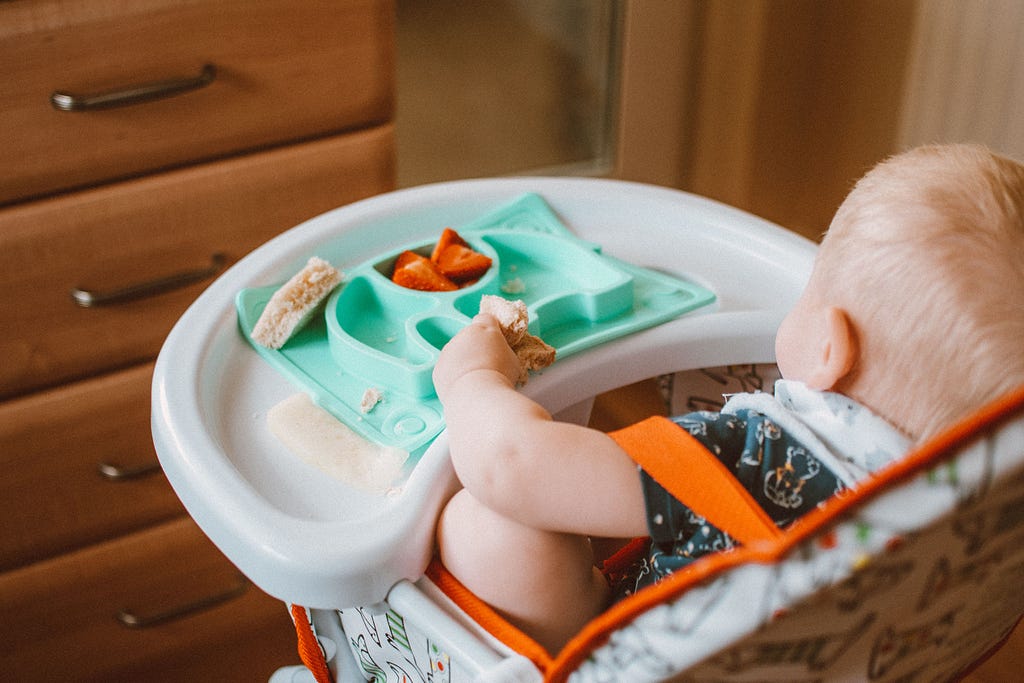
Why Your Baby’s Appetite Changes From Day to Day
Yesterday, your baby finished almost everything you offered. Today, they turn away after two spoonfuls. It is understandable to wonder whether they are eating enough or whether you have done something wrong. For many…

Probiotics for Infants: An Evidence-Based Guide for Parents
During the first year of life, an infant’s gastrointestinal tract undergoes rapid development. The gut microbiome, which consists of trillions of microorganisms residing in the digestive tract, plays a foundational role…

Paced Bottle Feeding: A Practical Guide to Responsive Infant Feeding
Feeding an infant is a fundamental part of early parenting. Whether a baby receives expressed breastmilk, infant formula, or a combination of both, the method used to offer a bottle impacts their digestive comfort and…

Is Your Baby Getting Enough Milk? 6 Signs Parents Should Know
For new parents, one question can come up again and again: Is my baby getting enough milk? When breastfeeding, it can be difficult to know exactly how much milk your baby is drinking because there are no measurements to…
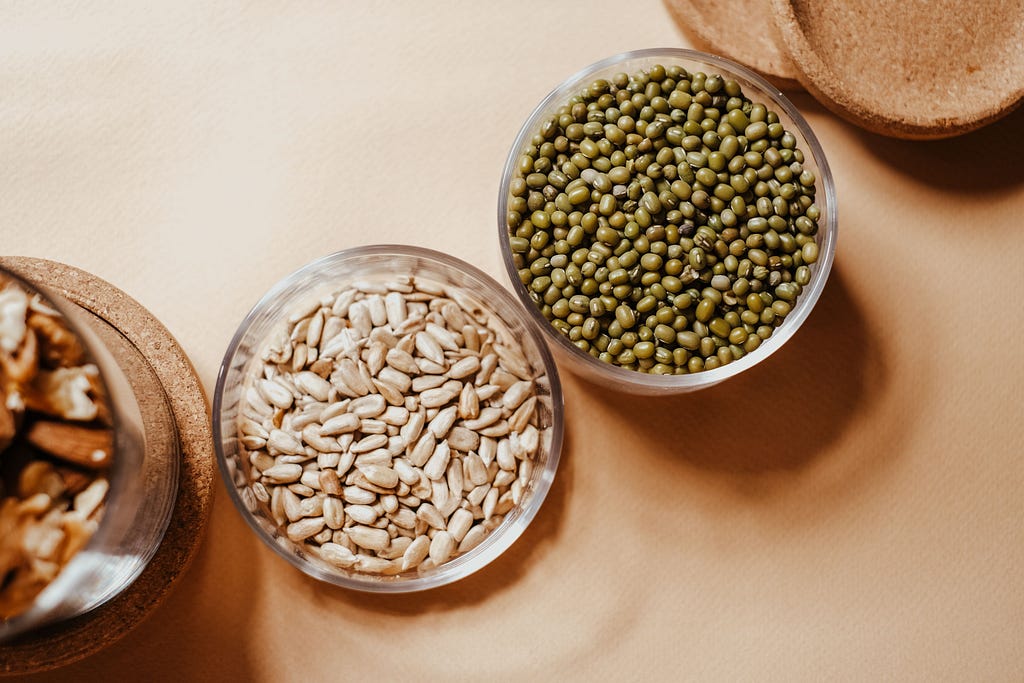
Magnesium for Baby Sleep: How It Works and Best Food Sources
Sleep difficulties in early childhood are common. Parents frequently wonder if nutrient deficiencies play a role when infants experience frequent night waking or difficulty settling down. Magnesium is an essential…

Vitamin D Supplementation for Breastfed Infants: What Parents Need to Know
Breast milk provides tailored, responsive nutrition that supports early infant growth and development. It supplies almost everything a baby needs during the first six months of life, adjusting naturally to meet a…

What to Do When Your Baby Is Not Interested in Solid Foods
Starting solid foods is a standard part of infant development. While many parents expect their baby to readily accept purees or finger foods from the first bite, the reality is often different. It is common to see media…

Baby-Led Weaning and Choking Risks: An Evidence-Based Guide
Starting solid foods brings up many practical questions for parents and caregivers. One common approach is baby-led weaning. In this method, parents offer infants soft table foods from the beginning rather than starting…
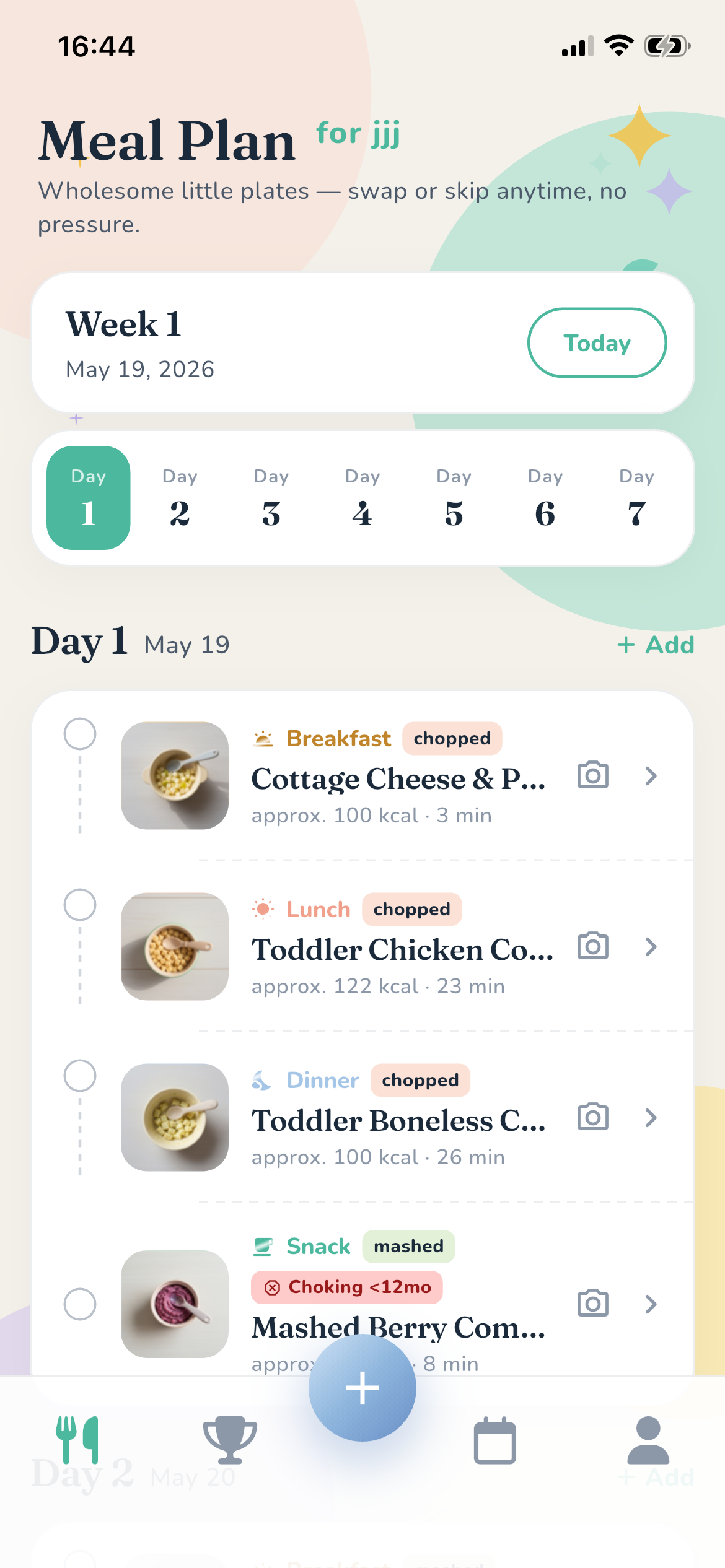
How Much Milk Should a Newborn Drink? A Calm Guide
There is no perfect number for every newborn. Here is how to combine feeding cues, nappies and the weight trend for a calmer view.
Making Peace With Cluster Feeding: The Evening Witching Hour
Why your baby wants to feed nonstop every evening, why it almost never means low milk supply, and how to get through it with a little less worry.
A Simple Feeding-and-Weight Routine for the Newborn Weeks
A low-effort starter system that helps first-time parents feel informed in the early weeks without turning the day into data entry.
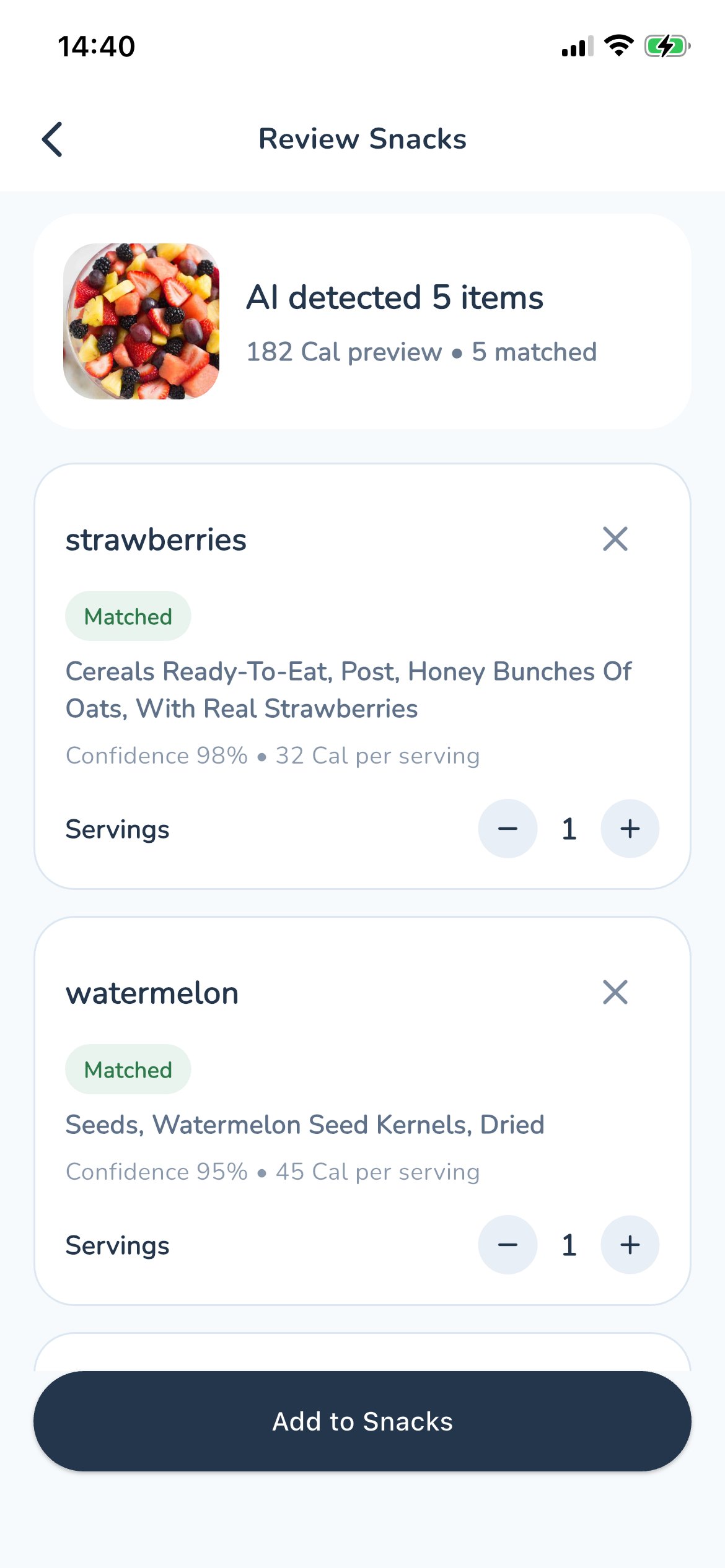
How to Build a Safer Snack Routine for Busy Weekdays
A repeatable weekday snack system that helps families reduce rushed grocery decisions and choose age-appropriate options with more confidence.