vitababy
Get to know the difference between normal infant digestive issues like gas and spit-up, and signs of a true food allergy. Read evidence-based guidance.

The first year of a baby’s life involves a steep learning curve for their developing body. Because an infant’s digestive system is immature, babies are highly prone to experiencing gastrointestinal discomfort. For parents, watching a baby struggle with gas, spit-up, or irregular bowel movements can prompt a common concern: Is this normal digestion, or is my baby reacting to a food allergy?
Both functional digestive issues and food allergies are common in infancy. Because the symptoms often look remarkably similar, distinguishing between the two requires careful observation. Understanding the root causes of these symptoms can help you provide the right support and seek appropriate medical guidance.
Understanding Functional Gastrointestinal Disorders (FGIDs)
The most frequent cause of digestive trouble in infants is a category of conditions known as Functional Gastrointestinal Disorders (FGIDs). Medical research indicates that these are chronic or recurring symptoms that occur without any structural or biochemical abnormalities. In simple terms, the baby’s digestive organs are perfectly healthy, but the system is still learning how to coordinate the complex muscle movements required to process food.
According to the Rome IV criteria, which are the standard guidelines used by doctors to diagnose these conditions, FGIDs are present in 22% of children. Additionally, a higher prevalence of these disorders has been reported in America. Out of all these conditions, the most common primary disorder is functional constipation.
When looking specifically at early infancy, studies suggest that roughly one in two babies will experience at least one FGID before they reach six months of age. While the medical terminology might sound intimidating, the actual symptoms are very familiar to most parents.
Common Digestive Symptoms in the First Year
If your baby is experiencing digestive distress, they are likely dealing with one or more of the following common conditions.
Stomach Pain
Stomach discomfort is a broad symptom that often stems from other underlying issues, such as trapped gas or constipation. Because babies cannot vocalize where it hurts, they often communicate abdominal pain by pulling their knees up to their chest, clenching their fists, and crying out.
Regurgitation (Spitting Up)
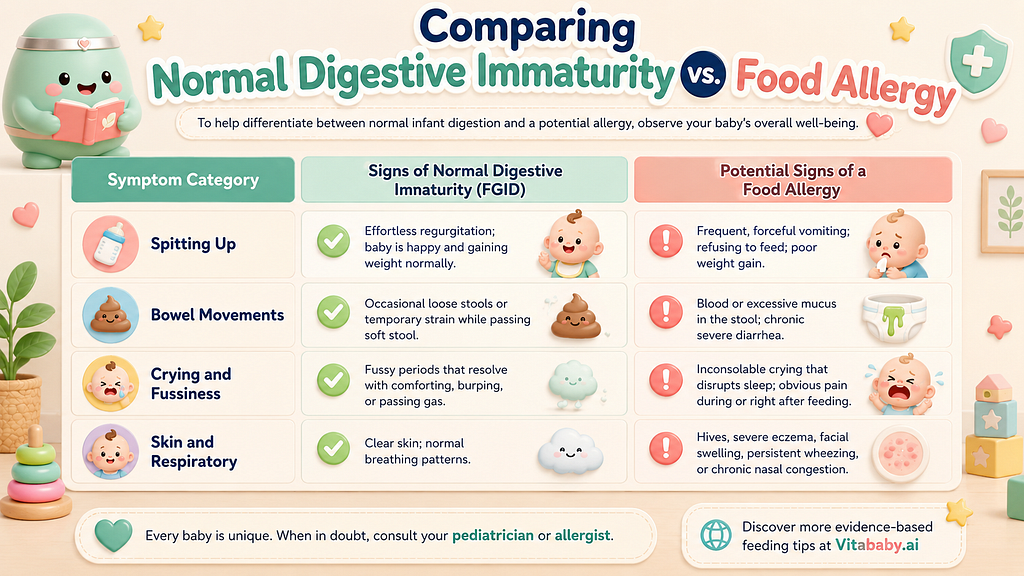
Regurgitation happens when milk or food travels from the stomach back up the esophagus and out of the mouth. Unlike forceful vomiting, regurgitation is usually effortless. It occurs because the muscular valve at the top of the baby’s stomach, known as the lower esophageal sphincter, has not completely tightened yet. As long as the baby is gaining weight and seems comfortable, regular spitting up is typically viewed as a laundry problem rather than a medical one.
Colic
Colic is defined as prolonged, intense crying in an otherwise healthy infant. While the exact cause remains unclear, experts believe colic may be related to trapped gas, overstimulation, or an immature nervous system. The National Health Service (NHS) notes that colic usually begins when a baby is a few weeks old and often stops by the time they are four to six months old. In some cases, colic-like behavior can also point to a food allergy or intolerance.
Gas and Bloating
The human digestive tract naturally produces gas. However, infants swallow large amounts of extra air while nursing, taking a bottle, or crying. Because they lack the core muscle strength to easily expel this air, it can become trapped in the intestines, causing the abdomen to feel tight or bloated.
Gassy Baby? Why It’s a Milestone, Not a Dietary Mistake
Constipation
Constipation refers to infrequent, hard, or dry stools that are difficult or painful to pass. It is important to note that the frequency of bowel movements varies greatly among infants. A breastfed baby might safely go several days without a soiled diaper. True constipation is defined by the hard, pebble-like consistency of the stool and the visible distress of the baby while passing it.
Diarrhea
If an infant begins passing stools that are significantly more frequent and watery than their normal baseline, they may have diarrhea. This condition requires close monitoring because it can rapidly lead to dehydration in small children.
When Is It a Food Allergy? Identifying the Triggers
While the symptoms listed above are often simply signs of a maturing gut, they can also be the body’s way of signaling an immune response to a specific food.
In the first year of life, the most common trigger is Cow’s Milk Protein Allergy (CMPA). According to the American Academy of Pediatrics (AAP), this occurs when the baby’s immune system mistakenly identifies the proteins in cow’s milk as a threat. CMPA can affect babies drinking standard infant formula, and the proteins can also pass through breast milk if the nursing parent consumes dairy products.
Other common allergenic foods include soy, eggs, wheat, and peanuts, which become relevant once parents begin introducing solid foods around six months of age. If a baby has a true food allergy, digestive issues are rarely the only symptom. Allergies typically present with a combination of signs that affect multiple systems in the body.
The Importance of Infant Digestive Health
A baby’s digestive tract does much more than process milk and solid foods. It plays a central role in their overall health, growth, and long-term development.
Supporting the Immune System
A significant portion of the human immune system resides in the gut. The intestines are home to trillions of bacteria, collectively known as the gut microbiome. Maintaining a healthy digestive system helps keep beneficial bacteria balanced. When a baby’s gut flora is optimal, their immune system is better equipped to defend against routine illnesses.
Optimal Nutrient Absorption and Growth
The stomach and intestines are responsible for extracting the vitamins, minerals, fats, and proteins required for physical and cognitive development. Chronic, unmanaged digestive issues or undiagnosed food allergies can inflame the intestinal lining, impairing nutrient absorption. Over time, inadequate nutrition can lead to poor weight gain and increase the risk of stunting, a condition that negatively impacts a child’s linear growth and brain development.
Building Healthy Feeding Habits
A child who constantly experiences pain while eating will quickly develop negative associations with food. Addressing digestive discomfort early helps ensure that feeding remains a calm, positive experience. As babies transition to solid foods, introducing single ingredients gradually allows parents to monitor the body’s reaction and prevent severe allergic responses.
Practical Steps for Parents
If your baby is struggling with digestive upset, there are several structured steps you can take to manage their symptoms and support their health.
- Focus on Feeding Mechanics: Ensure your baby is latching correctly during breastfeeding or using an age-appropriate bottle nipple to minimize swallowed air. Keep the baby upright for 20 to 30 minutes after feeding to reduce regurgitation.
- Prioritize Burping: Pause to burp your baby halfway through a feeding and again at the end.
- Introduce Solids Carefully: When starting complementary foods, follow CDC guidelines and introduce one new food every few days. This makes it much easier to pinpoint the exact cause if a digestive issue or allergic reaction occurs.
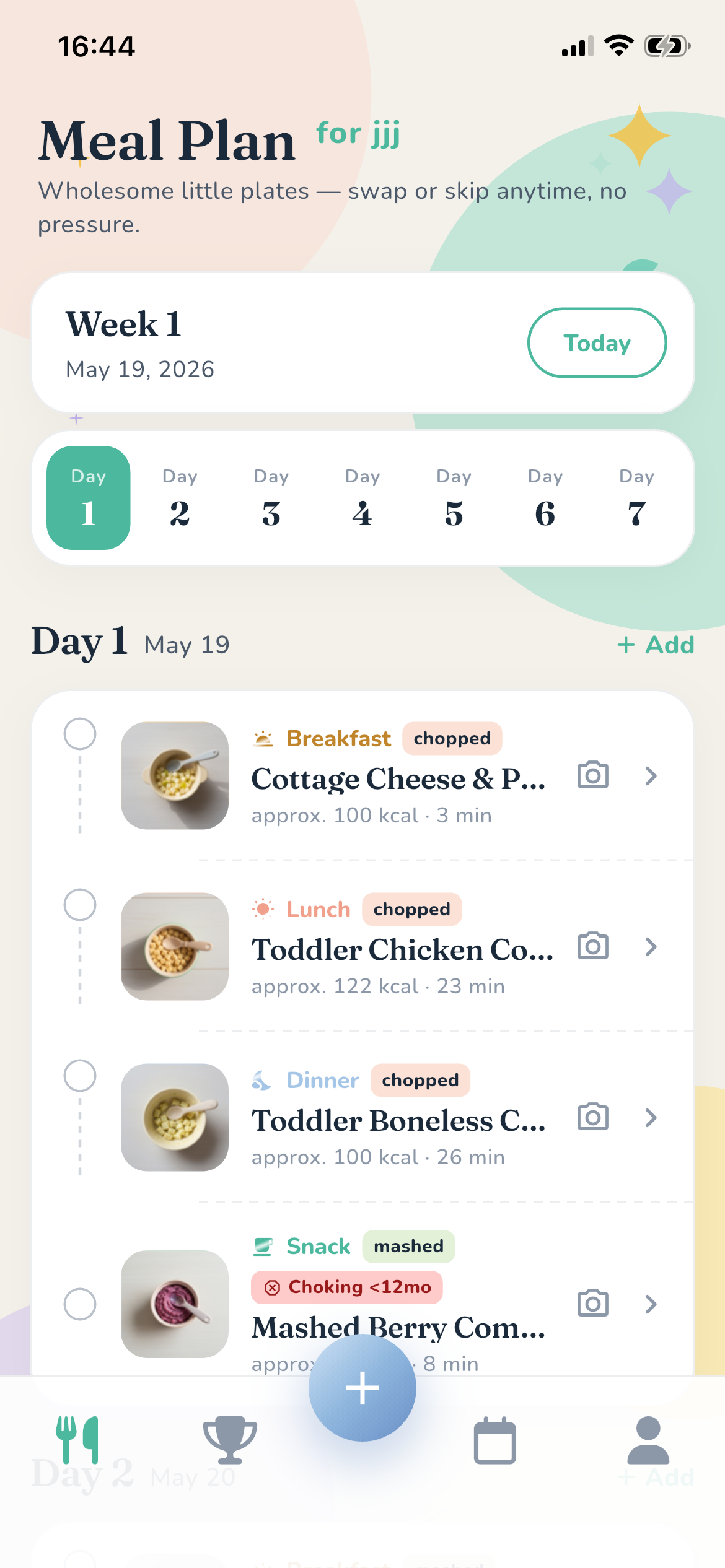
- Monitor Growth and Symptoms: Keep a brief daily log of your baby’s feeding times, stool consistency, and fussy periods. Tracking this data is incredibly helpful if you need to consult a healthcare provider. Parents can use tools like the Vitababy app to support child development. Features include meal planning, monitoring infant weight and height, and accessing growth reports reviewed by medical experts.
Originally published on Medium.