vitababy
Key takeaways
- A short repeatable snack list reduces rushed decisions and inconsistent choices.
- Age fit, sugar, sodium, and texture are the fastest checks for everyday snack screening.
- Households with allergies or sensitivities should test new products one at a time.
- A reliable routine works better than chasing convenience labels on every grocery trip.
Weekday snack time usually fails in the same way: a parent is in a hurry, the label looks reassuring, and a product gets chosen without enough time to think about sugar, texture, allergens, or whether it actually fits the child’s stage.
A better system is not more complicated. It is more repeatable. Families make safer choices when they narrow the field, approve a few dependable options, and only review new products when they have the time to do it properly.
Start with a short approved list
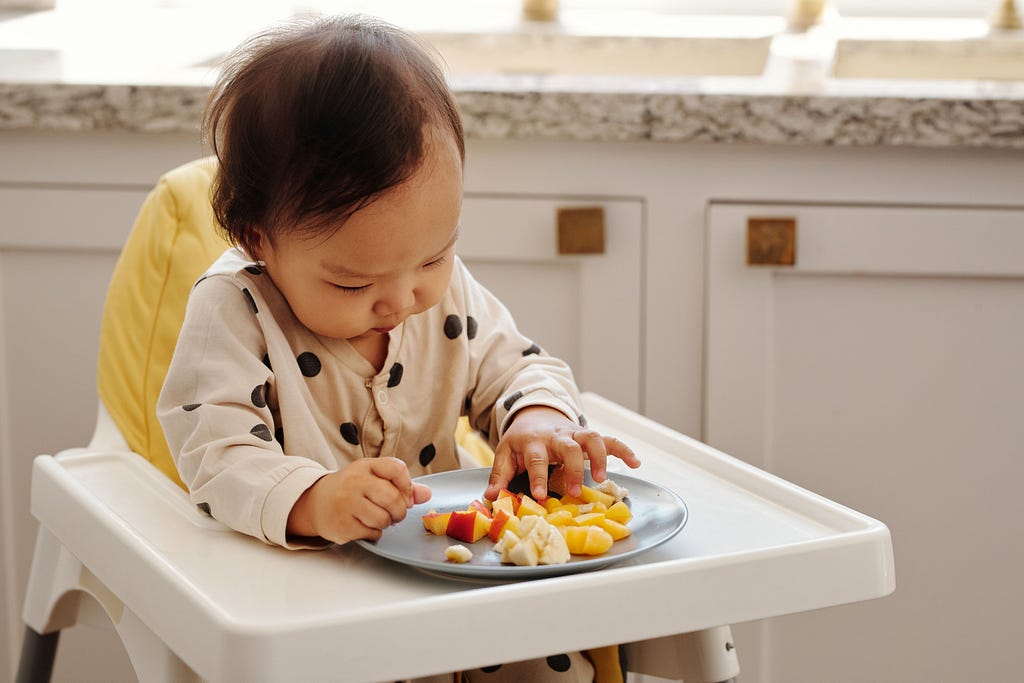
The easiest way to improve weekday snack decisions is to stop making them from scratch. Build a small list of products or simple foods your household already trusts, then rotate those first.
- Keep five to eight go-to snacks that already fit your child’s age and chewing ability.
- Split them into easy buckets such as fruit-based, dairy or dairy-free, protein-supporting, and travel-friendly options.
- Save unfamiliar products for a slower review window instead of the school-run rush.
Use three fast checks before adding anything new
- Age and texture: is it appropriate for how your child currently chews and self-feeds?
- Nutrition basics: does it avoid unnecessary added sugar and excess sodium?
- Household fit: does it work with your allergy, sensitivity, or ingredient preferences?
Weekday rule
If a snack needs too much interpretation on the spot, it does not belong in the weekday rotation yet.
Why this matters for search and trust
Parents are not searching for abstract nutrition theory. They want quick, credible answers to questions like whether a snack is age-appropriate, whether a label can be trusted, and how to make the next grocery trip easier. That is why the most useful guidance is practical, specific, and easy to revisit.
A good snack routine is not built on perfect choices. It is built on a few trusted choices you can repeat under pressure.
FAQ
How many snacks should stay in a regular family rotation?
For most families, five to eight dependable snack options are enough to create variety without making each shopping trip feel like a new evaluation exercise.
What makes a packaged snack safer for busy weekdays?
Safer weekday snacks are easy to recognize, fit your child’s developmental stage, have a straightforward ingredient list, and do not depend on marketing claims alone.
Should parents introduce several new snacks at once?
No. Adding one new product at a time makes it easier to judge tolerance, notice texture issues, and decide whether it belongs in the long-term routine.