vitababy

When your baby or toddler is dealing with red, itchy, and irritated skin, it is natural to look for a specific cause. For many parents, diet is the first place they turn. You might wonder if something your child ate is making their skin condition worse.
Research shows a strong connection between food allergies and eczema, also known as atopic dermatitis. However, managing food triggers in young children requires careful consideration to ensure they still receive the nutrients needed for healthy growth.
The Link Between Food and Eczema
It is helpful to understand how the medical community views the relationship between skin conditions and food. Eczema is primarily a chronic condition involving a compromised skin barrier and an overactive immune system. The American Academy of Pediatrics (AAP) notes that while food allergies are very common in children with moderate to severe eczema, the food itself does not cause the underlying skin condition.
Instead, a child with an impaired skin barrier is more susceptible to developing allergies. This progression is often referred to by experts as the “atopic march.” When a child with an existing allergy eats a trigger food, their immune system reacts, which can cause their eczema to flare up and worsen.
If you and your pediatrician suspect that a food is triggering these flare-ups, you will likely look closely at the most common childhood allergens.
Food Allergy vs. Food Intolerance in Infants
7 Foods That Commonly Trigger Eczema Flares
If your child has a diagnosed food allergy or sensitivity, removing the offending food is a necessary step. According to clinical data published by the National Institutes of Health, more than 90 percent of food allergies in children with eczema are caused by the following seven foods.
1. Cow’s Milk Cow’s milk protein allergy is one of the most common dietary triggers for infants and young toddlers. When a child with this allergy consumes cow’s milk, their immune system reacts to the proteins whey or casein. This can result in increased skin redness and severe itching. For breastfed infants who are highly sensitive, cow’s milk proteins can occasionally pass through breast milk, though nursing mothers should always consult a doctor before altering their own diets. Formula-fed babies might need a switch to an extensively hydrolyzed or amino acid-based formula under medical supervision.
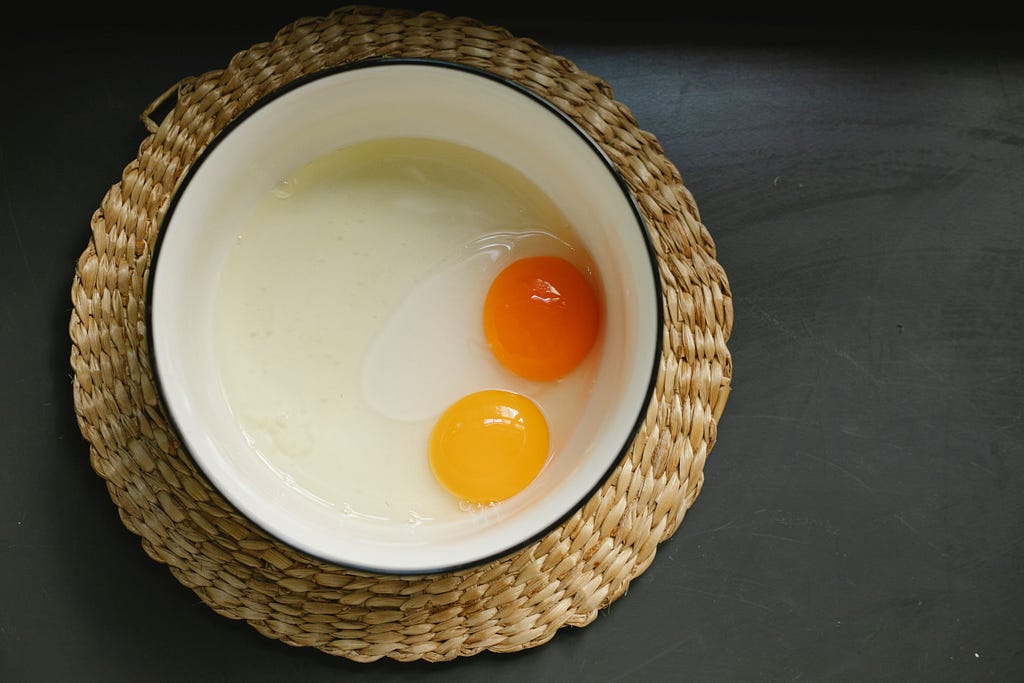
2. Eggs Hen’s eggs are another frequent culprit for young children. The proteins found in egg whites are highly allergenic, though some children react to the yolks as well. An egg allergy can cause immediate hives or contribute to delayed eczema flares a day or two after eating. Many children eventually outgrow their egg allergy by the time they reach school age, but strict avoidance is usually recommended in the early years if an allergy is confirmed.
3. Peanuts Peanut allergies are closely linked to the atopic march in children. Research suggests that an infant with a compromised skin barrier might become sensitized to peanuts if peanut protein touches their skin before they ever eat it. If your child has a confirmed peanut allergy, consuming even a small amount can cause their skin to become highly inflamed.
4. Tree Nuts While peanuts are legumes, tree nuts include almonds, walnuts, cashews, and pistachios. Tree nut allergies often go hand-in-hand with severe skin flare-ups. Cross-contamination is a common issue with tree nuts, making careful label reading an absolute necessity for parents of allergic children.
5. Soy Soy is prevalent in many processed foods, breads, and infant formulas. While soy allergies are generally milder than peanut or milk allergies, they can still trigger significant skin inflammation in sensitive toddlers. Identifying soy as a trigger often requires keeping a detailed food diary, as the ingredient goes by many different names on nutrition labels.
6. Wheat Wheat allergies involve an immune response to the proteins found in wheat. This is distinct from celiac disease, which is an autoimmune reaction to gluten. In children with a true wheat allergy, eating foods like pasta, crackers, or bread can lead to increased itching and worsened skin patches.
7. Fish and Shellfish Allergies to finned fish (like salmon or cod) and shellfish (like shrimp or crab) often develop a bit later in childhood compared to milk or egg allergies. However, they can still affect toddlers. These allergies tend to be lifelong and can cause severe immune responses alongside intense eczema flare-ups.
What Parents Can Observe
If you suspect a food is affecting your child’s skin, it is important to know what to look for. Reactions generally fall into two categories.
Immediate reactions happen within minutes to a couple of hours after eating. You might observe sudden hives, swelling around the lips, vomiting, or wheezing. If this occurs, you should seek medical care immediately.
Delayed reactions are much harder to identify. A delayed reaction might simply look like an eczema flare-up that worsens 24 to 48 hours after your child eats a specific food. You might also notice increased fussiness, changes in stool, or stomach discomfort.
Safe Ways to Introduce Peanut Protein to Infants: A Parent’s Guide
Nutrition and Feeding Considerations
It is completely understandable that parents want to try an elimination diet to help their child find relief. However, the AAP strongly cautions against removing foods from a child’s diet without clear medical evidence of an allergy.
Restricting major food groups like dairy, wheat, or eggs can easily lead to nutritional deficiencies. Babies and toddlers need a wide variety of fats, proteins, and complex carbohydrates to support healthy brain development and physical growth. Unnecessary food elimination can result in poor weight gain and a lack of essential vitamins like calcium and vitamin D.
Furthermore, completely avoiding a food without medical guidance can sometimes increase the risk of a child developing a severe allergy to that food later on.
Practical Tips for Managing Your Child’s Diet
If you are concerned about your child’s nutrition and skin health, there are practical, safe steps you can take.
Keep a Detailed Food Diary Before making any dietary changes, write down everything your child eats for a few weeks. Document the timing of their meals and the severity of their skin flare-ups. This information will be incredibly valuable when you consult a medical professional.
Work With a Professional Always speak with your pediatrician or a pediatric allergist if you suspect a food allergy. They can perform specific allergy testing to give you clear answers. If a food allergy is diagnosed, working with a registered pediatric dietitian will ensure your child still meets all their nutritional milestones while safely avoiding triggers. You can also explore educational platforms like Vitababy for evidence-based information on child nutrition, growth tracking, and feeding strategies.
Focus on Skin Care Remember that food is only one part of the puzzle. Keeping your child’s skin barrier strong is your best defense against flare-ups. Use fragrance-free, hypoallergenic moisturizers daily, especially right after lukewarm baths, to lock in moisture and protect the skin from environmental irritants.
Originally published on Medium.