vitababy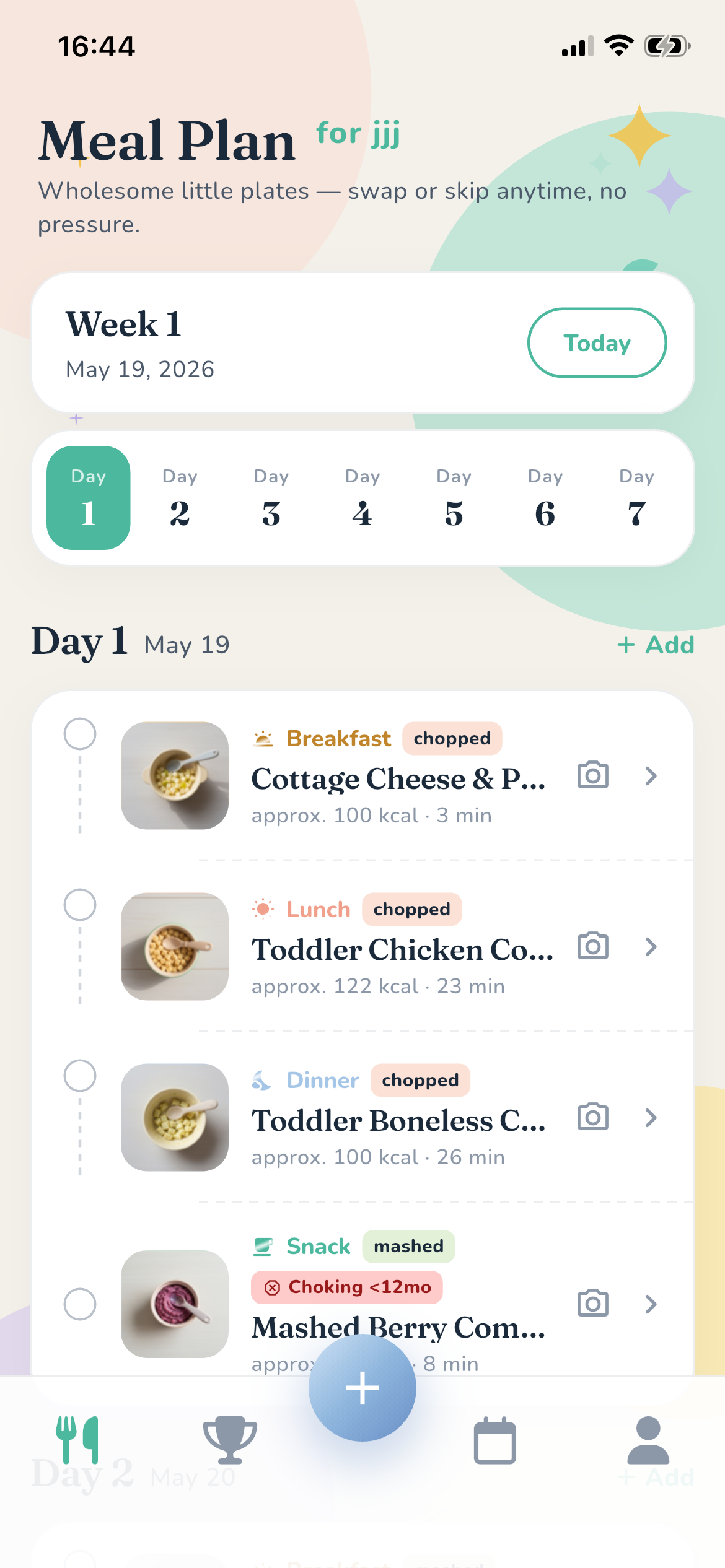
Key takeaways
- Track only what helps: feeds, wet and dirty nappies, and weight at routine weigh-ins.
- Read the trend over days and weeks — a single feed or weigh-in tells you very little.
- Newborns do not need weighing daily; weekly or fortnightly is plenty early on, then monthly.
- Call your health visitor, GP, or pediatrician if nappies drop off, your baby is hard to wake, or weight is not recovering.
The newborn weeks are a blur of feeds, nappies, and the same quiet question on repeat: are they okay? First-time moms and dads do not need an elaborate system to answer it. They need a small, repeatable routine they can keep going on no sleep — one that turns scattered moments into a picture they can actually read.
Here is the routine we recommend to new parents. It tracks three things, ignores the rest, and leans on the trend rather than any single number.
Track three things, not everything
You cannot see millilitres going in, especially when breastfeeding, so the goal is to notice patterns, not to log every detail. Three simple logs give you most of the picture:
- Feeds — breastmilk, formula, or bottle, with a rough amount or length, so you can see the daily rhythm.
- Wet and dirty nappies (diapers) — one of the most reliable everyday signs that feeding is going well.
- Weight — at routine weigh-ins, plotted on the WHO/Red Book centile chart (the percentile chart, in US terms).
The two-tap rule
If logging a feed takes longer than a couple of taps, you will stop doing it by week two. Keep it fast enough for one hand at 3am.
Read the trend, not the number
A single weigh-in tells you almost nothing — a feed, a full nappy, or different clothing can swing it by 100–200g. What matters is the direction over several weeks. A baby tracking steadily along their own centile is usually doing well, even if their absolute weight is lower than average.
It is also normal for newborns to lose a little weight in the first days and regain their birth weight by around 10 days to two weeks. After that, the focus shifts from the birth-weight milestone to whether your baby is following their own line.
The calmest parents I meet are not the ones tracking the most. They are the ones tracking the right few things, consistently.
Know the signs that mean “call someone”
A routine is there to help you spot change early — not to replace professional advice. Contact your health visitor, GP, midwife, or pediatrician if your baby has noticeably fewer wet nappies, is very sleepy or hard to wake for feeds, seems unsatisfied after most feeds, has not regained birth weight by around two weeks, or is losing weight. Trust your instinct: if something feels wrong, it is always reasonable to ask.
And if slow weight gain ever becomes an ongoing worry, the record you have been keeping all along becomes genuinely useful — it turns a hazy memory into a clear trend your health visitor or pediatrician can read at a glance.
This is exactly the routine VitaBaby is built around: log feeds and weigh-ins in two taps, watch a calm trend instead of a wall of numbers, and keep one shareable record from newborn to age 12. Start simple — you can always add more later.
FAQ
What should a first-time parent track in the newborn weeks?
Keep it to three things: feeds (type and a rough amount or length), wet and dirty nappies (diapers), and weight at routine weigh-ins. Together they give you most of the picture without turning the day into data entry — and the trend over time matters far more than any single entry.
How often should I weigh my newborn at home?
After the routine early-days weigh-ins, weekly or fortnightly is plenty, moving to monthly as growth settles. Weighing daily mostly surfaces normal fluctuation as if it were a trend, which adds worry rather than information.
When should I stop tracking and just call someone?
Tracking supports your judgement — it never replaces it. Contact your health visitor, GP, midwife, or pediatrician if your baby has fewer wet nappies, is very sleepy or hard to wake for feeds, seems unsatisfied after most feeds, has not regained birth weight by around two weeks, or you are simply worried.