vitababy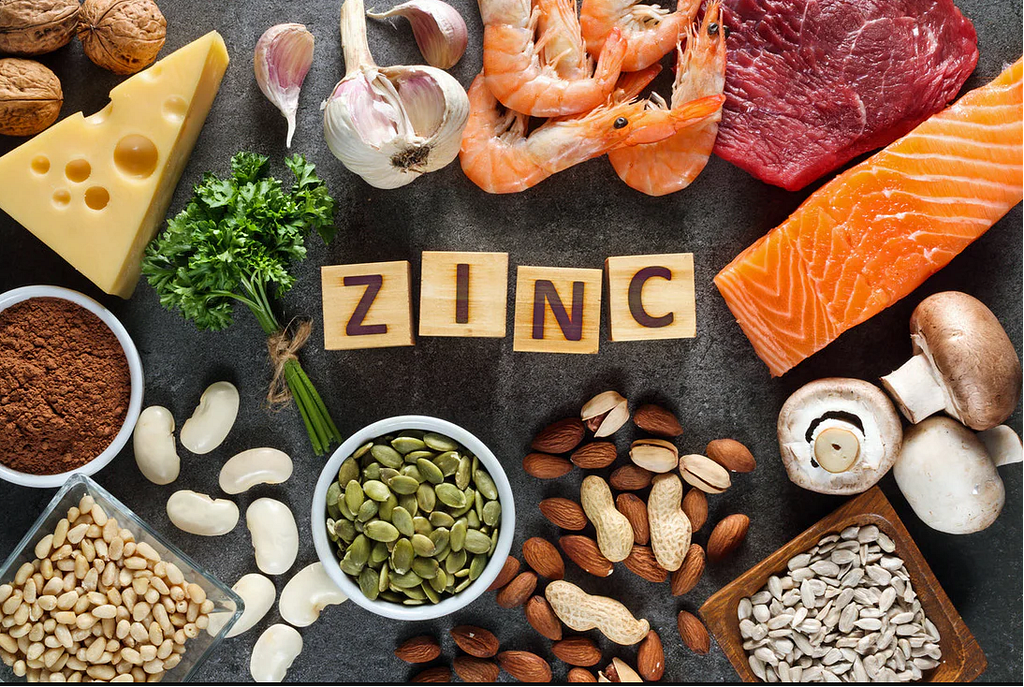
In the landscape of early infant nutrition, certain minerals frequently take a back seat to more high-profile nutrients such as iron, calcium, or vitamin D. Zinc is one of these often-overlooked minerals, yet it serves as a fundamental pillar for your baby’s holistic development, influencing everything from cellular metabolism to the robust functioning of the immune system. As infants undergo rapid physiological changes during their first year, ensuring they receive adequate zinc becomes a critical component of their nutritional foundation.
The importance of zinc lies in its ubiquity within the body’s biological processes. It is a necessary catalyst for the activity of hundreds of enzymes and is deeply involved in DNA synthesis and protein production. For a growing infant, this means that zinc is directly responsible for supporting the rapid cell division required for height and weight increases, as well as the repair of tissues. Beyond physical growth, zinc is essential for maintaining the integrity of the skin and mucosal membranes, which act as the body’s first line of defense against pathogens.
Understanding the specific roles and dietary requirements of zinc can empower parents to make more informed, evidence-based decisions as they navigate the complexities of introducing solid foods. By prioritizing this mineral during the transition to a diversified diet, caregivers can help ensure their child has the necessary biological building blocks to thrive during these formative months of life.
Parent Concerns About Starting Solids
Introducing solid foods brings up many questions for parents. Caregivers often wonder which foods are best, how much to offer, and whether their child is receiving the right balance of vitamins and minerals. Because zinc is not discussed as frequently as iron, parents may not realize it is just as crucial for a growing baby. A lack of awareness can lead to diets that are unintentionally low in this vital mineral, particularly for families who rely heavily on plant-based weaning foods without careful preparation.
The Six-Month Transition
For the first six months of life, healthy, full-term babies usually get all the zinc they need from breast milk or infant formula. However, as your baby grows, their nutritional needs increase significantly. By around six months of age, the natural zinc stores they were born with begin to deplete. At the same time, the concentration of zinc in human breast milk gradually decreases.
This is why pediatricians and organizations like the WHO generally recommend introducing nutrient-dense complementary foods around the middle of the first year. Providing enough zinc during this period supports steady physical growth and helps protect your baby from common illnesses.
Risk Factors for Low Zinc Levels
While most healthy, full-term infants start life with adequate zinc stores, some babies have a higher risk of developing a deficiency. Premature babies and those with a low birth weight miss out on the crucial final weeks of nutrient transfer in the womb. As a result, their initial zinc stores are often lower, and they may require nutritional intervention earlier than full-term infants.
Additionally, infants who are exclusively breastfed well past six months without the introduction of zinc-rich solid foods are at a higher risk of low zinc levels. Medical conditions that affect nutrient absorption in the gut, such as certain gastrointestinal disorders, can also impact a child’s zinc status.
What Zinc Does for the Developing Body
Zinc is required for proper cellular growth and metabolism. Because infants grow at a rapid pace during their first year, their cells are constantly dividing, repairing, and building new tissue. Zinc supports this biological process directly. According to the National Institutes of Health, zinc is involved in numerous aspects of cellular metabolism and is required for the catalytic activity of hundreds of enzymes.
The mineral also supports immune function. A well-nourished baby is better equipped to fight off standard viral and bacterial infections because zinc plays a role in developing immune cells. Furthermore, zinc is heavily involved in the development and maintenance of the senses of taste and smell. A deficiency in this area can negatively influence a child’s appetite and their willingness to try new foods, which can further compound nutritional issues.
What Parents Can Observe
Most babies who consume a varied diet or drink fortified infant formula receive adequate amounts of zinc. However, parents of breastfed infants who are slow to eat solid foods might wonder if their child is getting enough of this nutrient.
Signs that a baby is receiving proper nutrition include steady weight gain, consistent growth along their pediatric growth chart, and general alertness.
If a child is not getting enough zinc, parents might notice:
- A noticeable drop in appetite or consistent refusal to eat.
- Slower than expected weight gain or height increases over several months.
- Frequent mild illnesses, such as colds or ear infections.
- Skin issues, including persistent rashes around the mouth or diaper area that are slow to heal with standard treatments.
- Increased fussiness or lethargy.
If you observe these signs, it is important to speak with your pediatrician rather than making assumptions. A doctor can properly assess your child’s overall growth and determine if a nutritional deficiency is present through an evaluation.
Feeding Considerations and Nutrient Bioavailability
The daily requirements for infants are relatively small but highly important. Infants from birth to 6 months need 2 milligrams of zinc per day, while babies from 7 to 12 months need 3 milligrams per day.
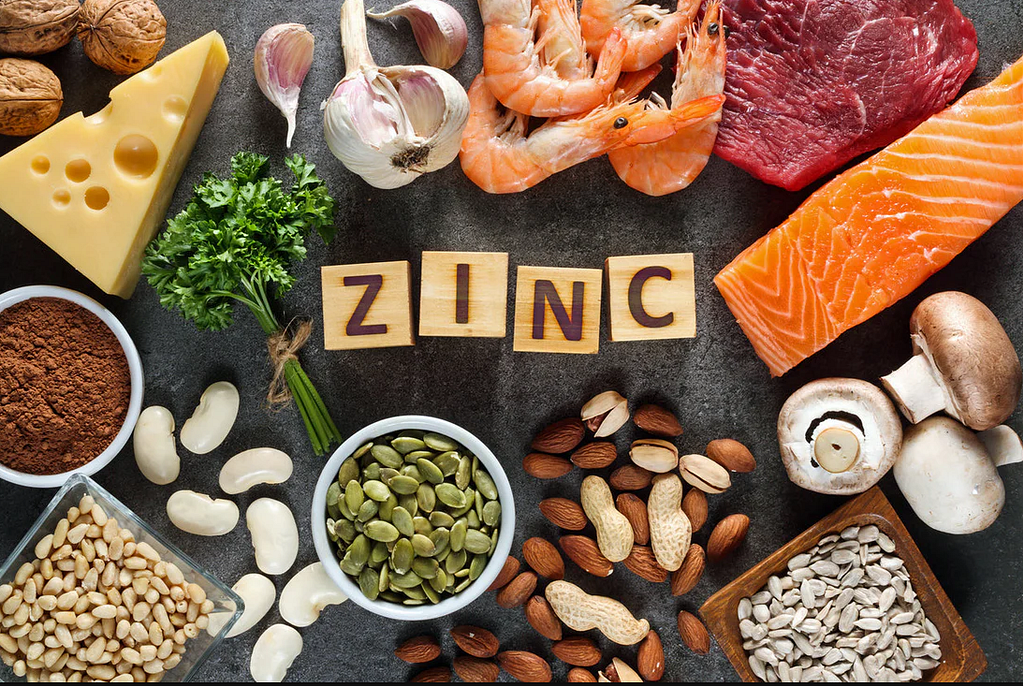
When introducing solids, you can prioritize foods naturally rich in this mineral. Meat is one of the most easily absorbed sources of zinc, a concept known as high bioavailability. Pureed beef, dark poultry meat, and lamb are practical early foods recommended by the Centers for Disease Control and Prevention to help meet these early mineral requirements.
For families following a plant-based or vegetarian diet, zinc is found in beans, lentils, chickpeas, nuts, seeds, and fortified infant cereals. It is important to note that plant sources contain natural antioxidant compounds called phytates. Phytates can bind to zinc and iron in the digestive tract, which makes it much harder for the body to absorb the nutrients. Because of this, vegetarians may require up to 50 percent more zinc in their diet than non-vegetarians.
Practical Tips for Daily Nutrition
You can help your baby get the most out of their meals and improve nutrient absorption with a few simple, everyday strategies.
- Serve vitamin C with plant-based zinc. Offering a small amount of vitamin C-rich fruit, like mashed strawberries or a slice of orange, alongside beans or lentils can help the body absorb minerals more efficiently.
- Soak dry beans and grains before cooking. Soaking legumes and grains in water for several hours before cooking reduces their phytate content. This process naturally unlocks the zinc, allowing for better absorption in the gut.
- Offer a variety of textures and flavors early on. Consistent exposure to different foods encourages a healthy appetite and helps ensure a broader intake of various micronutrients.
- Include dairy or eggs for vegetarians. If your family does not eat meat but does consume animal byproducts, plain yogurt, cheese, and eggs are very good sources of bioavailable zinc.
Sometimes, despite a parent’s best efforts, a baby may struggle with solid foods or have specific medical or developmental needs that require extra support. In these cases, a pediatrician might suggest a specific nutritional supplement. If you are exploring ways to support your child’s dietary intake and track their developmental progress, platforms like Vitababy offer tools and educational guidance to help you navigate your baby’s nutritional options. Always consult your primary healthcare provider before adding any dietary supplements to your infant’s routine.
Originally published on Medium.