vitababy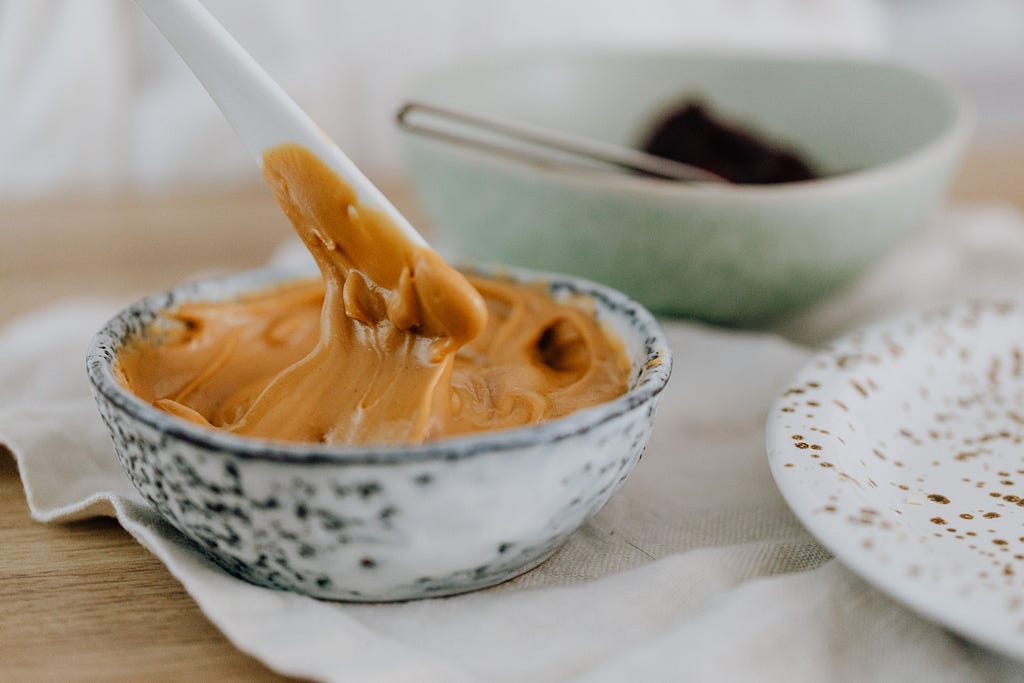
Learn the safest ways to introduce peanut protein to your baby based on the latest pediatric guidelines. Discover practical tips to help prevent peanut allergies.
For many years, parents were consistently advised to delay giving peanut products to their babies. The common medical belief was that waiting until a child was older would help prevent the development of food allergies. Today, based on comprehensive medical research, the guidance has completely changed. Health organizations, including the American Academy of Pediatrics and the National Institute of Allergy and Infectious Diseases, now recommend introducing peanut protein early in a child’s life. This approach has been shown to reduce the risk of peanut allergies significantly.
The History of Peanut Allergy Advice
To understand the current recommendations, it helps to look at how the advice evolved. In the early 2000s, clinical guidelines suggested that high risk infants should avoid peanuts until they were three years old. The intention was to protect vulnerable children from severe allergic reactions.
However, during the years these delay guidelines were in place, the rate of peanut allergies in children actually increased. Medical professionals began to question whether avoiding allergenic foods was the right strategy. Researchers noticed that in countries where infants consumed peanut products regularly from a young age, the rates of peanut allergy were much lower. This observation prompted a need for formal scientific studies to test the safety and effectiveness of early introduction.
The Science Behind the Change
The major shift in medical advice comes from a landmark clinical trial known as the Learning Early About Peanut Allergy study, often referred to as the LEAP study. This study observed over six hundred infants who were considered high risk for developing a peanut allergy due to severe eczema or an existing egg allergy.
Researchers divided the infants into two groups. One group avoided peanut products entirely until age five. The other group consumed peanut protein regularly starting between four and eleven months of age. The results were clear. The infants who consumed peanut protein early and regularly had an 86 percent lower risk of developing a peanut allergy by the time they reached five years old. This research proved that early exposure helps the immune system build a tolerance to the peanut protein, whereas complete avoidance can increase the likelihood of an allergy developing.
Assessing Your Baby’s Risk Level
Before introducing peanut protein, evaluate your baby’s health based on three risk categories.
The first group includes infants with severe eczema or egg allergies, who are at high risk. Parents must consult a specialist for potential allergy testing. If cleared, introduction typically occurs between four and six months, potentially under medical supervision.
The second group involves babies with mild to moderate eczema. These infants usually start peanut products around six months at home, though consulting a pediatrician first is advised.
The third category includes infants with no eczema or known food allergies. They can begin peanut products freely around six months alongside other solids.
Food Allergy vs. Food Intolerance in Infants
Essential Safety Rules for Peanut Introduction
While early introduction is recommended, safety must be the top priority. Peanuts pose a significant physical risk to babies if not prepared correctly.
The most critical rule is to never give a baby whole peanuts, chopped peanuts, or peanut pieces. These are severe choking hazards for infants and toddlers because they cannot grind the hard nuts with their gums.
Similarly, you must never give your baby a spoonful of plain, thick peanut butter. A thick lump of peanut butter can easily become lodged in a small airway and block breathing. Peanut protein must always be modified or thinned out to a safe consistency before you offer it to your baby.
Step-by-Step Guide for the First Taste
When you are ready to give your baby their first taste of peanut protein, careful planning helps ensure a safe experience.
First, make sure your baby is completely healthy on the day you plan to introduce the food. Do not try a new food if your baby has a cold, a fever, or diarrhea. The first feeding should take place at home where you can closely monitor your baby, rather than at a daycare facility or a restaurant. Choose a time when at least one adult can focus entirely on the infant without distractions.
Offer your baby a very small amount of the prepared peanut puree on the tip of a spoon. After this initial taste, wait ten minutes. Watch your baby closely during this time. If there is no sign of an allergic reaction, you can slowly offer the rest of the serving at your baby’s normal eating pace.
Safe Ways to Prepare Peanut Protein
There are several safe and practical methods to prepare peanut foods for your infant.
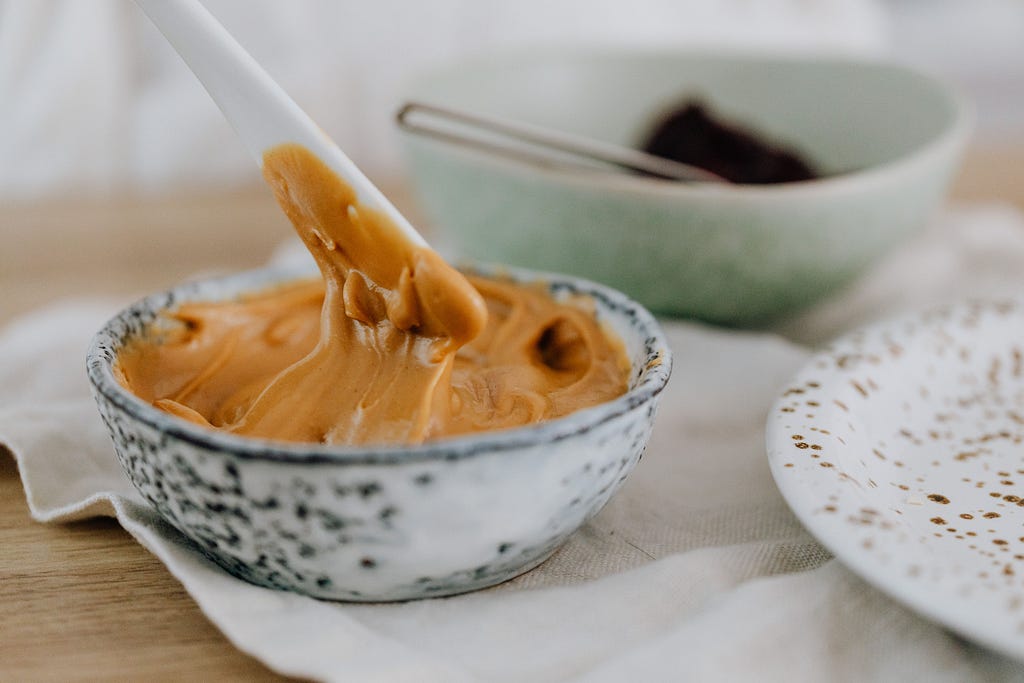
Thinned Peanut Butter You can easily thin out smooth peanut butter using warm drinking water. Measure two teaspoons of smooth peanut butter into a bowl. Slowly add two to three teaspoons of hot water and stir continuously until the peanut butter dissolves into a thin, smooth liquid. Let the mixture cool completely before offering it to your baby.
Peanut Puffs Dissolvable peanut puffs are a popular and convenient option. These snacks are designed to melt easily in the mouth. For infants under seven months of age, or those who are just starting solids, you should soften the puffs first. You can do this by mashing a few puffs with warm water or breast milk to create a smooth, easy to swallow puree.
Peanut Powder Peanut flour or peanut butter powder is another safe alternative. Because it is a dry powder, it mixes easily into other foods. You can stir two teaspoons of the powder into a food your baby has already safely consumed, such as oatmeal, infant cereal, yogurt, or pureed fruit. Ensure the powder is fully blended so the food is not dry or powdery.
Mixing with Familiar Solids If you prefer using regular smooth peanut butter, you can mix a small amount into pureed vegetables or fruit. Simply take a portion of a familiar puree, like applesauce or mashed sweet potato, and stir in a small amount of smooth peanut butter. Ensure it is thoroughly blended so there are no sticky lumps.
Maintaining Peanut Exposure
Introducing peanut protein is not a one time event. For the early introduction strategy to work, your baby needs regular exposure to the protein. If your baby tolerates the first feeding well, guidelines suggest offering peanut foods regularly. A common recommendation is to provide about two grams of peanut protein, three times a week. Consistent exposure tells the immune system that the food is safe, which helps maintain tolerance as the child grows.
What to Watch For: Signs of an Allergic Reaction
It is important to know what an allergic reaction looks like so you can act quickly if needed. Keep an eye on your baby for at least two hours after they eat the peanut protein.
Mild symptoms of an allergic reaction might include a new rash or a few hives around the mouth or face. More severe symptoms require immediate medical attention. These can include widespread hives over the body, swelling of the lips, face, or tongue, vomiting, repetitive coughing, wheezing, or any difficulty breathing. If you notice a change in your baby’s skin color or if they suddenly become very tired or limp, call emergency services right away.
Managing your baby’s transition to solid foods requires attention to detail. Vitababy offers an AI driven platform designed to help parents track infant growth, manage daily feeding routines, and understand key nutritional needs.
Originally published on Medium.