vitababy
The transition from a liquid diet to one that includes solid foods is a significant period in infant development. Around six months of age, breast milk or infant formula continues to provide the majority of the calories a baby requires. However, the nutritional needs of a growing infant begin to exceed what liquid diets alone can supply. Parents are often advised to seek out nutrient-dense foods to bridge this gap.
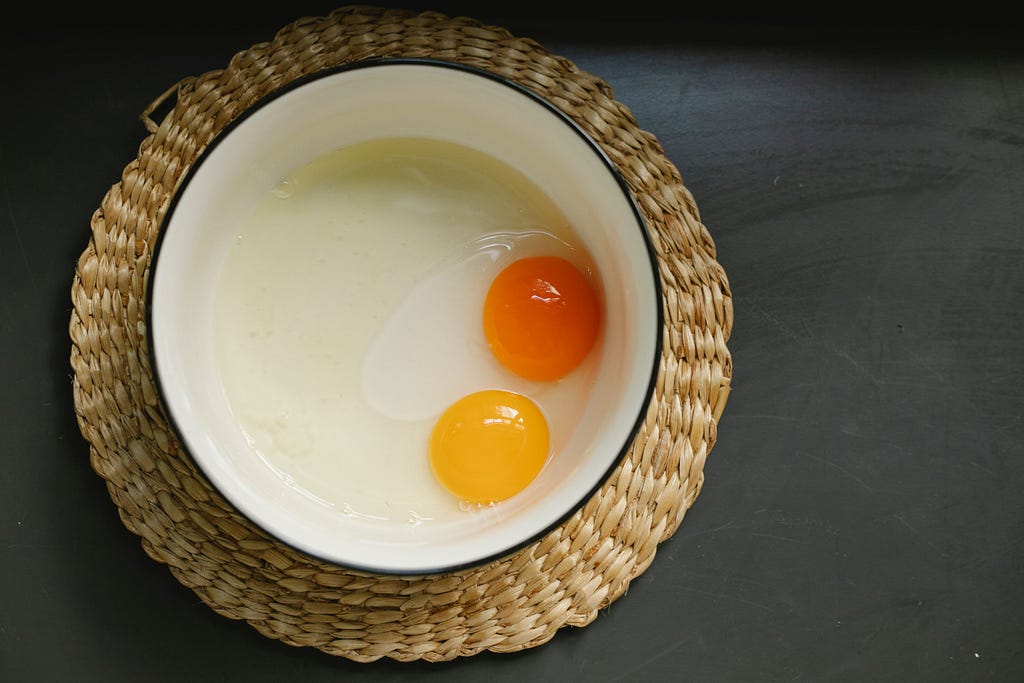
Among the foods frequently discussed for early introduction is the egg yolk. Eggs are accessible, widely available, and traditionally used as a first food in many different cultures. Because eggs are also classified as a common allergen, parents naturally seek clear, evidence-based guidance on whether they are safe for a six-month-old. Current medical guidelines support the introduction of properly cooked egg yolks when a baby begins eating solid foods. Understanding the nutritional components of the yolk and the safest methods for preparation can help caregivers approach feeding times with confidence.
The Parent Concern Regarding Early Solid Foods
When beginning solid foods, many first-time parents express apprehension about introducing items that could potentially cause an allergic reaction. A common question heard in pediatric settings is whether a young baby can safely consume egg yolks.
The fear of severe allergic reactions often leads parents to adopt a highly cautious approach to feeding. For decades, standard advice suggested that parents should delay giving their children highly allergenic foods. Pediatricians frequently advised parents to wait until a child was at least one year old before introducing whole eggs. The prevailing thought was that parents should strictly separate the yolk from the egg white, as the white contains the majority of the proteins responsible for allergic reactions. This historical context continues to influence how parents view infant feeding today, resulting in understandable confusion when they encounter modern recommendations.
Why This Concern Happens: The Evolution of Allergy Guidelines
The hesitation parents feel is directly rooted in past medical recommendations. Previously, experts theorized that an infant’s digestive and immune systems were not mature enough to process complex food proteins. It was believed that delaying exposure would allow the immune system time to develop, thereby preventing the onset of food allergies.
However, comprehensive clinical research has fundamentally changed this perspective. Large-scale studies demonstrated that delaying the introduction of allergenic foods does not prevent food allergies. In many cases, delayed introduction may actually increase the likelihood of a child developing an allergy.
Major health organizations, including the American Academy of Pediatrics, now recommend introducing allergenic foods early. The window between four and six months of age is now seen as a critical period for immune system education. When the body encounters these food proteins early, the immune system is more likely to build tolerance and recognize the food as safe rather than mounting a defensive allergic response. While the entire egg is now considered safe to introduce at six months, many caregivers still prefer to start with the yolk due to its favorable texture and dense concentration of nutrients.
What Parents Can Observe: Readiness and Reactions
Before introducing any solid food, parents must observe their baby for specific physical signs of developmental readiness. Chronological age is only a general guideline. A baby is typically ready to process solid foods when they can sit up well in a high chair with minimal support and hold their head steady. Caregivers should also look for an active interest in food, such as the baby reaching for items on the dinner table or mimicking chewing motions.
Another crucial sign is the fading of the tongue-thrust reflex. Young infants possess a natural reflex to push foreign objects out of their mouths with their tongues to prevent choking. Once this reflex begins to disappear, the infant can safely move food to the back of the mouth to swallow.
When offering egg yolk for the first time, careful observation is required. Parents should introduce the food early in the day. This schedule provides ample time to monitor the baby for several hours before they sleep. Mild to moderate allergic reactions usually manifest within minutes to two hours after consumption. Caregivers should watch for symptoms such as a raised red rash around the mouth, hives on the body, sudden vomiting, or unusual diarrhea.
Severe allergic reactions, known as anaphylaxis, are rare in infants but require immediate emergency medical attention. Signs of a severe reaction include wheezing, difficulty breathing, swelling of the lips or face, and a sudden loss of consciousness.
Nutrition and Feeding Considerations for Infants
At six months of age, the natural stores of specific nutrients that a baby was born with begin to run low. The egg yolk serves as a concentrated source of several elements essential for physical and cognitive development.
Full-term infants are born with a reserve of iron that typically lasts for the first half-year of life. Once these stores deplete, dietary sources of iron become necessary to prevent iron deficiency anemia. Iron is required for the production of hemoglobin, the protein in red blood cells that carries oxygen to the brain and organs. Egg yolks provide a reliable source of non-heme iron. Because non-heme iron is not absorbed as efficiently as the iron found in meat, parents can enhance absorption by serving the egg yolk alongside a food rich in vitamin C, such as pureed strawberries or sweet potatoes.
Choline is another vital nutrient found abundantly in egg yolks. It plays a direct role in forming the structural integrity of cell membranes and is necessary for the production of acetylcholine, a neurotransmitter involved in memory and mood regulation. Despite its importance for rapid brain development, choline is often overlooked in infant diets.
Infants also have specific requirements for dietary fat and cholesterol. While adults are routinely advised to monitor their intake of these substances, babies require them for the formation of brain tissue and the central nervous system. The fats present in the egg yolk also allow the digestive system to properly absorb fat-soluble vitamins. The yolk naturally contains Vitamin A, Vitamin D, Vitamin E, and Vitamin K, which collectively support immune function, bone health, and cellular repair.
Practical Tips for Preparation and Serving
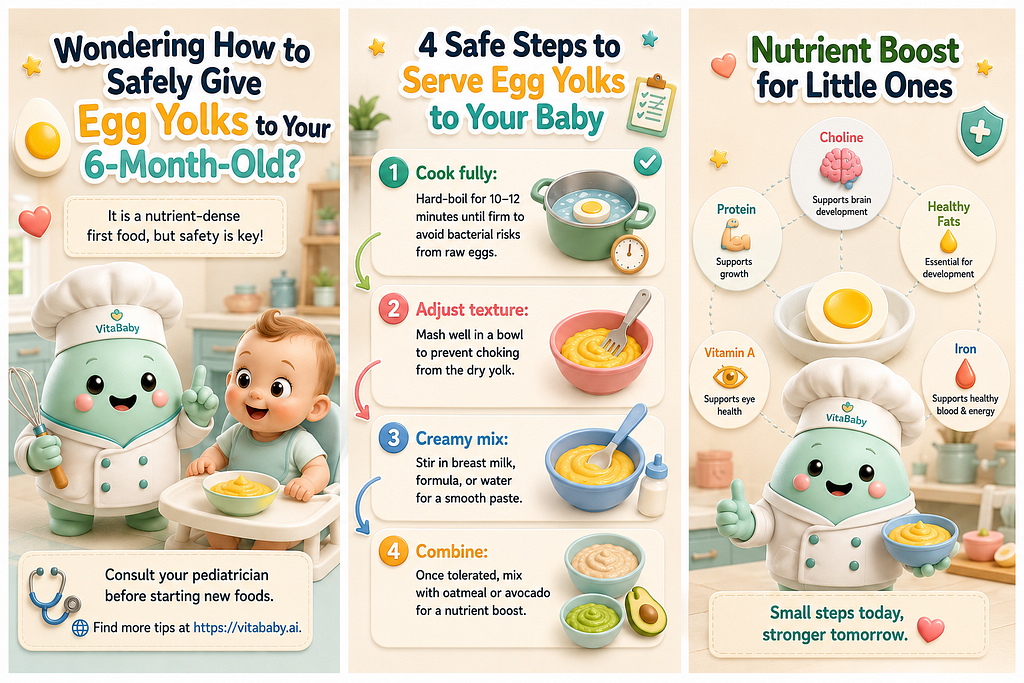
Ensuring food safety is just as important as understanding nutritional value. Infants have developing immune systems that cannot easily fight off bacterial infections. Raw or undercooked eggs carry a risk of Salmonella contamination. Caregivers must never give an infant a soft-boiled egg, a poached egg with a runny center, or raw egg in any form. The egg must be cooked thoroughly until both the white and the yolk are completely firm and solid. Hard-boiling an egg for 10 to 12 minutes is a reliable way to ensure it reaches a safe internal temperature.
A fully cooked egg yolk has a dry and crumbly texture. If given to a baby in this state, the dry crumbs can cause coughing or gagging and pose a choking risk. To make it safe, the yolk must be modified before serving. After hard-boiling and peeling the egg, carefully remove the white. Place the yolk in a small bowl and mash it thoroughly with the back of a fork. Add a familiar liquid to the mashed yolk to create a smooth, creamy paste. Using breast milk, infant formula, or a small amount of warm water works well. This familiar flavor can also help the baby accept the new food more readily.
Once the baby has tried the egg yolk on its own and tolerated it without issue, caregivers can begin mixing it into other foods. Stirring mashed egg yolk into iron-fortified infant oatmeal or mashed avocado is a practical way to create a balanced meal while introducing different flavor profiles. Pediatricians generally recommend waiting three to five days before introducing another new highly allergenic food to make it easier to identify the source of any potential reaction.
Is Organic Baby Food Really Better? What Parents Need to Know
Establishing a varied diet of whole foods is the primary goal of infant feeding. However, feeding can sometimes be complicated by poor appetite or texture aversions. Caregivers of children who are struggling to gain weight or who consistently refuse solid foods often seek additional strategies to support their daily intake.
For families exploring specialized nutritional support options to complement a whole-food diet, reviewing products from brands like Vitababy in consultation with a qualified pediatrician can be a practical step. Always discuss dietary modifications with a healthcare provider to ensure they align directly with your child’s specific developmental requirements.
Originally published on Medium.