vitababy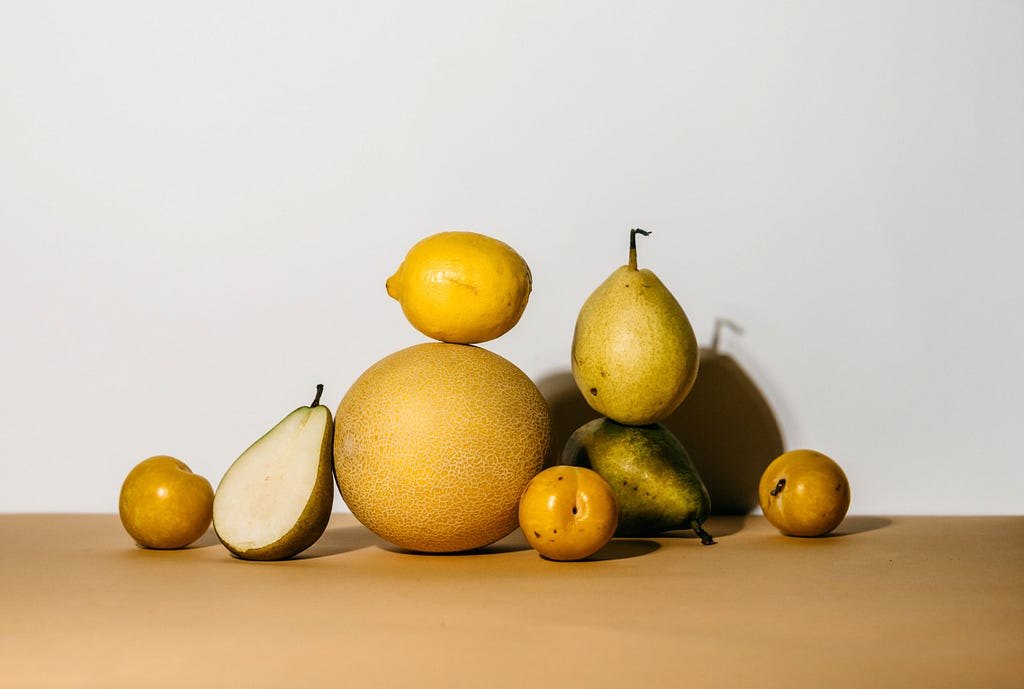
Starting solid foods is a significant transition for a baby. It is very common for parents to notice a shift in their baby’s digestion during this time. Before starting solids, breastfed and formula-fed babies often have very soft stools. When new textures and complex proteins are introduced, the infant digestive system requires time to adjust. This adjustment period can sometimes lead to harder stools and infrequent bowel movements. Understanding how to manage this gently through diet is a practical skill for parents.
Understanding Infant Digestion
A baby’s digestive tract is still maturing during the first year of life. When you introduce purees or soft table foods, the stomach and intestines encounter dietary components they have never processed before. This naturally slows down the transit time of food moving through the gut.
Because the body takes longer to break down these new foods, the large intestine absorbs more water from the waste. The result is a firmer stool that can be difficult for a young baby to pass. This is a normal physiological response rather than a sign that something is inherently wrong with the baby’s diet. Gently modifying the foods you offer can help the digestive system adapt without causing distress to the child.
Recognizing the Signs of Constipation
Before making dietary changes, it is helpful to know what true constipation looks like in an infant. The American Academy of Pediatrics notes that a normal stool pattern for a child eating table foods can range from three times a day to once every two days.
Infrequent bowel movements alone do not always indicate constipation, especially if the baby is breastfed. The primary indicator is the consistency of the stool and the baby’s comfort level. Signs of constipation include hard or dry pebble-like stools, crying during a bowel movement, or straining for a prolonged period without success. A baby’s face may turn red when they push, which is normal, but passing a stool should ultimately be free of pain. If your baby seems uncomfortable or their stools are dry, adjusting their food intake is the first and most effective step.
How Dietary Fiber Supports Digestion
Dietary fiber is a type of carbohydrate found in plant foods that the human body cannot digest. Instead of being absorbed for energy, fiber travels through the digestive tract and helps form soft, bulky stools.
There are two main categories of fiber. Soluble fiber dissolves in water to form a gel-like substance, which significantly softens the stool. Insoluble fiber adds bulk and acts like a broom, helping food move more efficiently through the stomach and intestines. Offering a variety of fiber sources actively builds a foundation for long-term digestive health. Recent clinical studies highlight that introducing diverse dietary fibers supports the infant gut microbiome, encouraging beneficial bacteria to thrive and naturally improving bowel regularity.
High-Fiber Fruits for Infants
Fruits are an accessible and baby-friendly way to introduce more fiber. When a baby is eating solid foods, pureed or mashed fruits can provide quick relief for a sluggish digestive system.
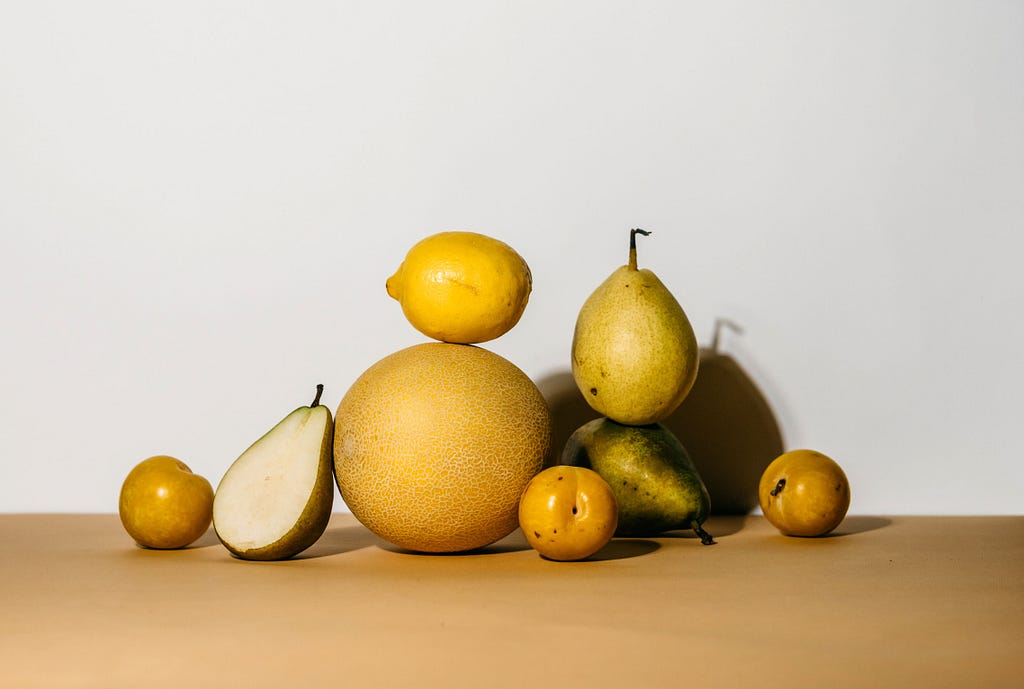
Many pediatricians recommend the “P” fruits for constipation. Prunes, pears, peaches, and plums are highly effective. These fruits contain naturally occurring sorbitol, a type of sugar alcohol that draws water into the intestines. This excess water mixes with the stool, making it softer and much easier for the baby to pass.
You can serve these fruits as smooth purees for younger babies or as soft, bite-sized pieces if you are following a baby-led weaning approach. Apples and berries are also excellent sources of dietary fiber. However, it is best to serve apples cooked and mashed, as raw apples can be a choking hazard for young infants and applesauce can sometimes lack the necessary fiber if the skin is heavily processed out.
When Can Babies Have Juice? Guidelines & Tips
Vegetables and Legumes for Regularity
Vegetables are packed with essential nutrients and provide a steady source of dietary fiber. If your baby is prone to hard stools, offering a high-fiber vegetable at least twice a day can make a noticeable difference in their digestive comfort.
Broccoli, peas, and green beans are excellent choices. They can be steamed until they are very soft and mashed to a safe consistency. Sweet potatoes are another practical option that many babies readily accept due to their naturally sweet flavor and smooth texture.
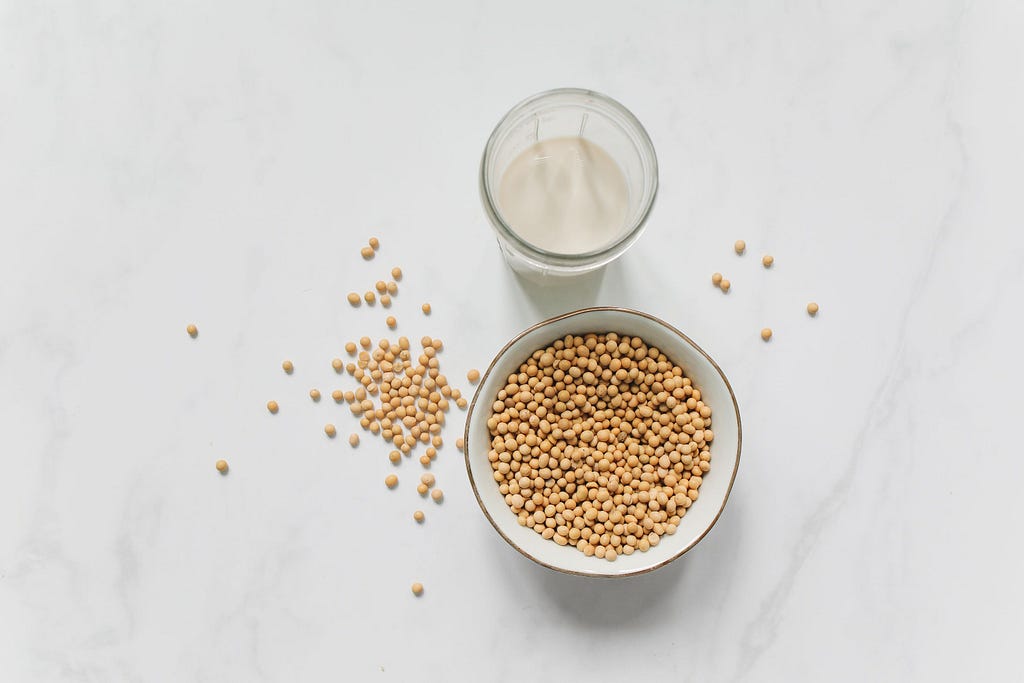
Beans and legumes are among the most fiber-dense foods available. Chickpeas, black beans, and lentils provide substantial amounts of both soluble and insoluble fiber. They also supply important plant-based protein and iron. Lentils can be cooked thoroughly until they break down into a soft paste, making them a very safe and nutritious addition to a baby’s meal.
Choosing Whole Grains
Many parents begin solid foods with commercial infant rice cereal. While iron-fortified rice cereal is a traditional first food, it is made from refined grains and is very low in dietary fiber. For some babies, eating large amounts of rice cereal can contribute to constipation.
Swapping refined grains for whole grains is an easy way to increase daily fiber intake. Oatmeal is a gentle, high-fiber alternative that is easy for babies to digest. As your baby grows and their chewing skills develop, you can introduce whole wheat pasta, quinoa, and brown rice. These foods retain the bran and germ of the grain, providing a consistent source of insoluble fiber. When adding whole grains to the diet, it is best to start with small portions so the digestive tract can adjust comfortably.
Is Organic Baby Food Really Better? What Parents Need to Know
The Role of Fluid Intake
Increasing fiber will not resolve constipation if a baby is not adequately hydrated. Dietary fiber needs liquid to work effectively. Without enough fluid, extra fiber can actually make stools harder and more difficult to pass.
For babies under six months of age, breast milk or infant formula provides all the necessary hydration. Once you introduce solid foods around six months, you can begin offering small amounts of water during meal times. The AAP suggests offering a few ounces of water in an open cup or straw cup when the baby is eating table foods.
In specific cases of constipation, a pediatrician might suggest a small amount of 100 percent fruit juice (such as prune, pear, or apple juice) for babies over one month old. The juice acts as a natural laxative. However, juice should be viewed as a temporary remedy rather than a daily beverage. For parents seeking more comprehensive information on infant feeding routines and nutritional balance, Vitababy offers educational resources to help navigate these early feeding stages.
When to Consult a Pediatrician
Dietary changes are highly effective for most babies, but there are times when medical advice is necessary. If your baby continues to experience pain during bowel movements, or if you notice blood in their stool, you should consult your healthcare provider.
Persistent constipation that does not respond to changes in diet and fluid intake should always be evaluated by a doctor to rule out underlying conditions. A pediatrician can provide specific guidance and determine if additional treatments are needed. Parents should never give a baby over-the-counter laxatives, mineral oil, or enemas without explicit instructions from a licensed medical professional.
Originally published on Medium.