vitababy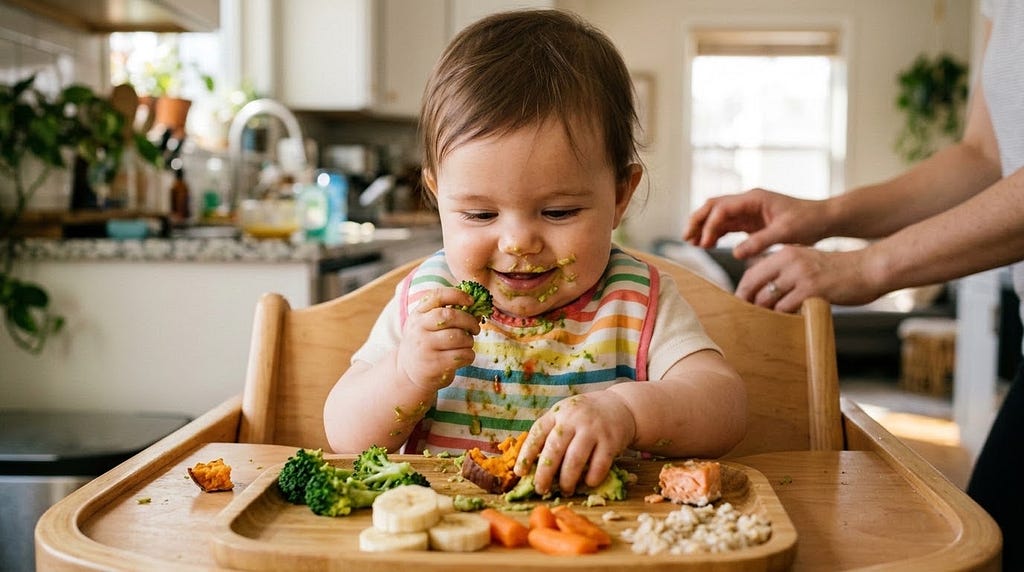
If you have spent time in parenting forums or talking with other caregivers, you have likely encountered the rhyming phrase that claims food before one is merely for fun. This saying is frequently shared to reassure parents who feel stressed because their infant is not eating large volumes of solid food. It serves as a gentle reminder that breast milk and infant formula remain the primary source of calories and hydration during the first year of life.
While the intent behind the phrase is to lower parental anxiety, the message is scientifically incomplete. Taking this advice too literally can lead parents to delay the introduction of solid foods or minimize their importance. Solid food introduced between six and twelve months is not a recreational activity. It is a vital component of physical and neurological development. During this window, your baby undergoes significant physiological changes that require more than just milk to support. Introducing solid foods during this period is necessary for replenishing nutrient stores, maturing the immune system, and developing complex physical skills. Understanding the evidence behind complementary feeding helps you approach mealtimes with realistic expectations and a focus on long-term health.
The Misunderstanding of a Popular Phrase
The phrase suggests that nutrition from solid foods does not matter until the first birthday. However, human biology dictates a different timeline. Around six months of age, an infant’s nutritional requirements begin to shift. Milk alone is no longer sufficient to bridge the gap between what the body needs for rapid growth and what it receives from a liquid diet.
Health professionals refer to this stage as complementary feeding because the solid foods are meant to complement the milk, not replace it immediately. The goal is to gradually transition the child to a varied diet over the course of six months. Treating this transition as purely for fun dismisses the very real biological work your baby’s body is doing to adapt to new proteins, digest complex carbohydrates, and extract necessary vitamins.
The Critical Need for Iron and Zinc
At birth, a full-term baby possesses an internal reserve of iron accumulated from the mother during the final trimester of pregnancy. These iron stores are vital because breast milk is naturally very low in iron. For the first six months of life, these internal reserves are usually sufficient to support rapid growth and brain development.
However, by the six-month mark, these iron stores begin to deplete. The World Health Organization notes that by six months of age, an infant’s energy and nutrient needs begin to exceed what breast milk or formula alone can provide. Iron is the primary concern during this transition. Iron deficiency in infancy can result in anemia. This condition may negatively impact cognitive development, cause fatigue, and lead to poor appetite.
Zinc is another critical mineral required for immune system function and cellular growth. It is found in higher concentrations in solid foods like meat, beans, and fortified cereals than it is in breast milk. The American Academy of Pediatrics emphasizes that infants require an external source of iron and zinc starting around six months. Relying solely on milk beyond this point puts a baby at risk for nutritional deficiencies that are difficult to correct once they occur. Offering nutrient-dense foods such as pureed lentils, mashed beans, and soft meats ensures these basic requirements are met.
Why Zinc Matters for Infant Growth
Preventing Food Allergies Through Early Exposure
For many decades, pediatric guidelines suggested that parents avoid introducing highly allergenic foods until a child was much older. Doctors routinely advised waiting until age two or three to offer peanuts, eggs, or fish. Recent clinical research has completely reversed this approach. Medical professionals now know that the infant immune system is highly adaptable. Early introduction of common allergens is an effective way to help the body learn to tolerate them.
The Learning Early About Peanut allergy study is one of the most influential pieces of research on this topic. It demonstrated that children who were introduced to peanut products between four and eleven months of age had a significantly lower risk of developing a peanut allergy compared to those who strictly avoided peanuts. This finding was particularly important for infants who already exhibited signs of atopic dermatitis, commonly known as eczema. In the past, having eczema prompted doctors to recommend strict allergen avoidance.
Also read : 7 Foods to Avoid in Babies and Toddlers With Eczema
Current guidelines from major health organizations now support the early introduction of allergenic foods alongside other solids during the first year. By delaying these foods until after the first birthday, you may inadvertently miss a crucial window of opportunity to build immune tolerance.
Developing Essential Oral Motor Skills
Eating is a complex physical skill. When a baby transitions from drinking milk to eating solids, they must learn an entirely new set of muscle movements. In the first few months of life, a baby relies on a simple suck and swallow reflex. They also possess a natural tongue thrust reflex that pushes foreign objects out of the mouth to prevent choking.
Around six months, this tongue thrust reflex begins to fade. This biological shift is a signal that the baby is ready to process more complex textures. The act of moving food from the front of the mouth to the back, mashing it with the gums, and coordinating a safe swallow requires significant effort. These actions utilize the jaw, lip, and tongue muscles. These are the exact same muscle groups used for speech development and articulation later in childhood.
If parents wait until after the first birthday to introduce textured foods, the toddler may struggle with chewing and swallowing different consistencies. This lack of practice can lead to texture aversions. By providing a variety of mashed, pureed, and soft finger foods between six and twelve months, you give your baby the daily physical practice their oral muscles require.
Sensory Processing and Texture Acceptance
The period between six and twelve months is frequently described as a flavor window. Research indicates that infants are generally more willing to accept new tastes and textures during this time than they will be during the toddler years. Toddlers naturally become more selective and wary of new foods as a biological survival mechanism.
If an infant is only exposed to milk and a very limited selection of bland purees, they may struggle to accept vegetables or savory flavors in the future. Repeated exposure is the key to acceptance. It can take numerous attempts for a child to develop a liking for a specific vegetable like broccoli or spinach. By starting early, you have ample time to introduce a wide variety of foods in a low-pressure environment.
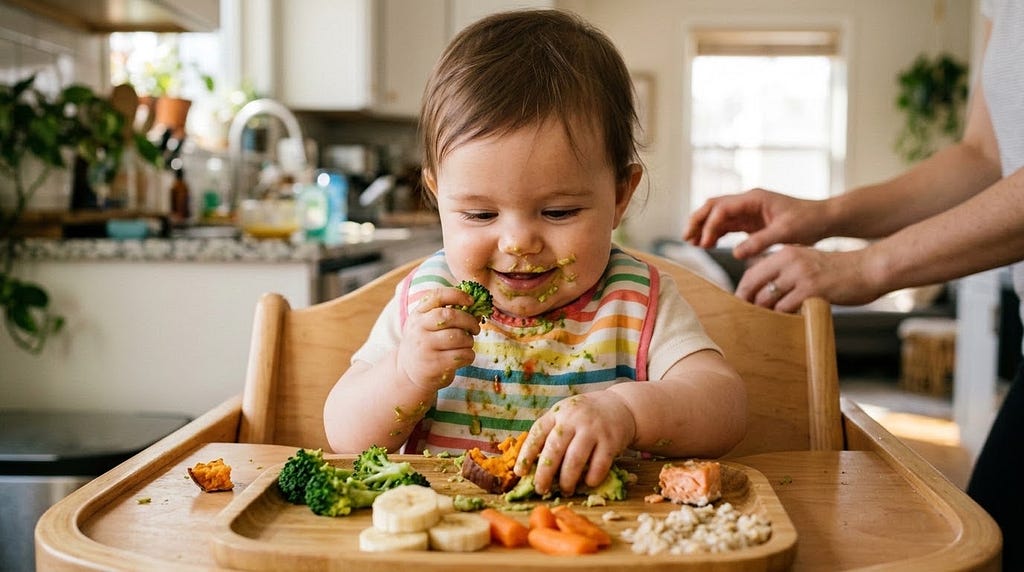
Allowing your baby to touch, smell, and smear their food is also part of sensory processing. Messy play helps them understand the physical properties of what they are eating, which reduces anxiety around new textures and promotes independent feeding skills.
Growth, Weight Gain, and Nutritional Support
As babies become more mobile crawling, pulling up, and eventually walking their caloric output increases significantly. Complementary foods help bridge the calorie gap to support this increased activity level and ensure steady weight gain.
Offering foods rich in healthy fats, such as avocados, nut butters thinned with water, and full-fat dairy, supports brain development and overall growth. While the primary focus should always be on a diverse diet of whole foods, some families look for additional ways to ensure their child’s nutritional needs are met during this transitional phase. For parents seeking structured nutritional support options to complement a varied diet, Vitababy offers resources designed to support healthy development. Always discuss any dietary supplements or specific feeding concerns with your pediatrician to ensure they are appropriate for your child’s individual health needs.
Practical Guidelines for Responsive Feeding
Transitioning to solid foods requires patience. The goal during the first few months is exploration and skill-building rather than consuming large meals.
Focus on nutrient density rather than volume. A few spoons of iron-fortified cereal or pureed meat provide more benefit than a large bowl of a nutrient-poor food. Ensure that all foods are prepared in a texture appropriate for your baby’s current developmental stage, modifying shapes to avoid choking hazards like whole grapes or hard pieces of raw vegetable.
Practice responsive feeding by closely watching your baby’s hunger and fullness cues. If your baby turns their head away, pushes the spoon away, or keeps their mouth closed, they are signaling that they are finished. Respecting these boundaries helps the child maintain their natural ability to self-regulate their appetite. Eat meals together whenever possible so your baby can observe you chewing and swallowing, as they learn heavily through imitation.
Key Takeaways
The idea that solid food is purely for fun before a child turns one minimizes a highly important developmental stage. The months between six and twelve are a unique period where nutrition, immune health, and physical skill-building converge. Solid foods provide essential iron and zinc that breast milk alone cannot supply in adequate amounts after six months. Early introduction of potential allergens is a proven strategy for allergy prevention. Furthermore, the daily practice of eating helps babies develop the jaw strength and tongue coordination necessary for safe swallowing and future speech. By viewing mealtime as a necessary part of growth, you help your child build a strong foundation for long-term health.
Originally published on Medium.