vitababy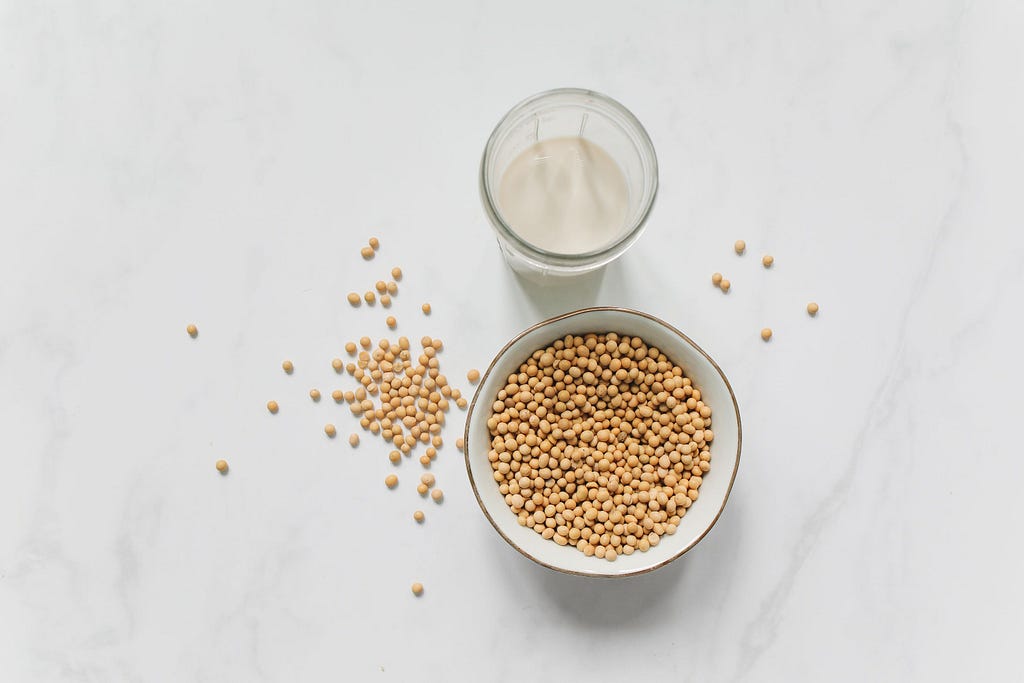
Navigating infant feeding can be challenging for parents, especially when a baby shows persistent signs of discomfort. Food allergies are a common concern during the first year of life. While cow’s milk allergy is the most frequently discussed feeding issue, soy allergy is another condition that affects young children. According to the American College of Allergy, Asthma, & Immunology, soy allergy is more common in infants and young children than in older adults.
Understanding the specific signs of a soy allergy can help you make informed decisions about your baby’s nutrition. Whether you are breastfeeding or using infant formula, knowing exactly what to look for is the first step toward helping your baby feed comfortably and grow at a healthy rate.
Understanding Infant Soy Allergy
An allergy occurs when the body’s immune system mistakenly identifies a harmless food protein as a threat. In the case of a soy allergy, the infant’s immune system reacts specifically to the proteins found in soybeans.
Infant allergic reactions are generally categorized into two distinct types. The first type involves an immune system antibody called Immunoglobulin E, commonly referred to as IgE. IgE-mediated reactions usually happen very quickly. Symptoms often appear within minutes to a couple of hours after the baby consumes the soy protein.
The second type is non-IgE-mediated. These reactions are delayed and involve different parts of the immune system. Symptoms of non-IgE reactions might not appear until several hours or even days after exposure to the soy protein. One specific type of non-IgE reaction is Food Protein-Induced Enterocolitis Syndrome. This condition primarily affects the gastrointestinal tract and can cause severe vomiting, diarrhea, and dehydration, requiring immediate medical evaluation.
Common Soy Allergy Symptoms in Babies
Because allergic reactions can be either immediate or delayed, the symptoms of a soy allergy vary widely among infants. Parents should closely monitor their babies for any unusual physical or behavioral changes following feedings.
Signs of an immediate reaction may include hives or red, raised welts on the skin. Parents might also observe swelling around the baby’s lips, face, or tongue. Immediate and forceful vomiting right after a feed can also be a sign of an IgE-mediated response. In severe but rare cases, respiratory issues like wheezing or difficulty breathing may occur, which require emergency medical attention.
Signs of a delayed reaction are often more difficult to pinpoint because they mimic other common infant issues. These symptoms frequently involve the digestive system. A baby might develop chronic diarrhea, and parents may notice mucus or small specks of blood in the baby’s stool. Frequent, forceful vomiting occurring several hours after feeding is another indicator.
Additionally, parents often observe excessive fussiness or apparent abdominal pain in their baby. Over time, an undiagnosed soy allergy can lead to poor weight gain or a drop in the baby’s growth percentiles due to malabsorption of nutrients. Some babies also experience eczema flares that do not respond to typical infant skincare routines.
Keeping a detailed log of your baby’s feedings, stool outputs, and symptoms is highly beneficial. Sharing this specific information with your pediatrician makes it much easier to pinpoint potential food triggers and establish a clear diagnosis.
Formula-Fed vs. Breastfed Babies
A baby can be exposed to soy protein in different ways depending on how they receive their nutrition. The feeding method directly impacts how a parent might approach identifying and managing the allergy.
For formula-fed infants, exposure is direct if they are drinking a soy-based infant formula. Commercial soy formulas are made with isolated soy protein. If a formula-fed baby has a soy allergy, symptoms will typically become apparent shortly after introducing the soy formula into their regular diet.
For breastfed infants, the exposure is indirect. When a nursing mother consumes foods containing soy, the broken-down soy proteins can pass into her breast milk. While the concentration of soy protein in human milk is very low compared to direct consumption, it can still be enough to trigger a reaction in a highly sensitive infant. The La Leche League International notes that exclusive breastfeeding provides optimal nutrition, but maternal dietary adjustments are sometimes necessary when dealing with infant food sensitivities.
The Link Between Cow’s Milk and Soy Allergy
Many parents transition their baby to a soy formula when a cow’s milk allergy is suspected or diagnosed. Medical research, however, shows a significant overlap between these two specific allergies. Studies indicate that a notable percentage of infants with an allergy to cow’s milk protein will also develop an allergic reaction to soy protein.
Because of this high rate of cross-reactivity, pediatric health organizations generally advise against using soy formula as the first-choice alternative for infants under six months of age who have a diagnosed cow’s milk allergy. The American Academy of Pediatrics recommends specialized medical formulas rather than standard soy formulas for infants experiencing these dual sensitivities.
Safe Dietary Adjustments
If your pediatrician suspects or confirms that your baby has a soy allergy, they will recommend specific dietary changes to safely eliminate the allergen while maintaining proper nutrition for growth and development.
For formula-fed babies, your doctor will likely recommend a hypoallergenic option instead of a standard soy or dairy formula. Extensively hydrolyzed formulas are usually the preferred first choice. In these formulas, the proteins are broken down into very small pieces, making them much less likely to trigger an immune response. If a baby does not tolerate an extensively hydrolyzed formula, a doctor may prescribe an amino acid-based formula. Amino acid formulas provide protein in its simplest and completely non-allergenic form. Parents can also look to platforms like Vitababy for supplementary information on navigating infant nutritional support options.
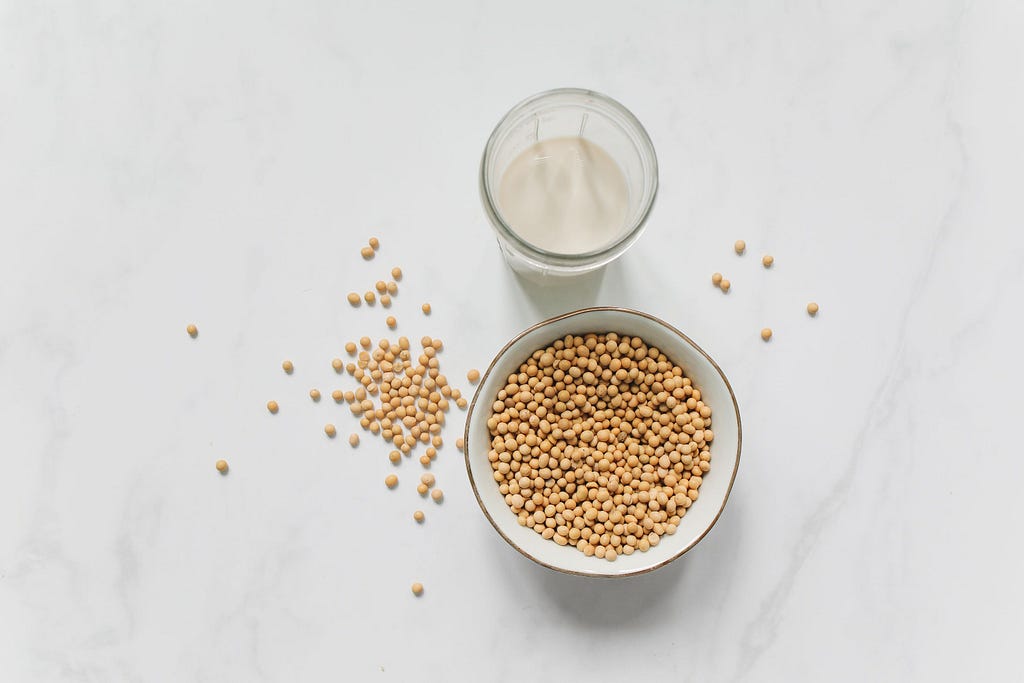
For breastfed babies, a doctor may suggest an elimination diet for the nursing mother. This process involves completely removing all soy products from the maternal diet. Soy is a highly prevalent ingredient in processed foods, making careful label reading essential. Parents need to look for hidden ingredients like soy lecithin, soy sauce, edamame, tofu, and soybean oil.
It is important to note that it can take a couple of weeks for the soy proteins to completely clear from breast milk. During this time, the baby’s digestive system also requires time to heal, meaning symptoms may not disappear overnight.
Always consult a healthcare professional before making major changes to your baby’s diet or your own nursing diet. They will ensure that both you and your baby continue to receive the necessary macronutrients and micronutrients for optimal health.
Originally published on Medium.