vitababy
Learn how undetected food allergies can impact an infant’s weight gain and healthy growth. Understand the signs that require pediatric evaluation.

When a baby is feeding well but still struggles to gain weight, the cause may be more than feeding habits or milk intake. In some cases, an undiagnosed food allergy can interfere with growth by affecting how the body absorbs nutrients.
The Parent Concern: Falling Off the Growth Curve
Pediatricians use standardized growth charts provided by the Centers for Disease Control and Prevention (CDC) and the World Health Organization to monitor a baby’s physical development over time. These charts track weight, length, and head circumference. It is completely normal for a baby’s weight to fluctuate slightly within a specific percentile range. The medical concern arises when a baby consistently drops across multiple percentile lines or fails to gain adequate weight over several weeks. Medical professionals often refer to this as poor weight gain or failure to thrive.
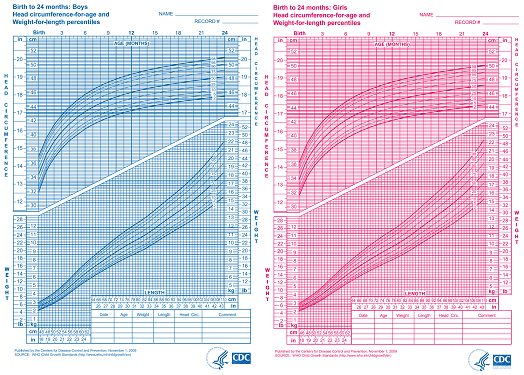
For parents, this can be confusing and stressful. Your baby may feed often and seem hungry, yet gain weight slowly. In many cases, the issue is not how much they eat, but how their body processes and uses nutrients.
Why is My Child Eating a Lot but Not Gaining Weight? 6 Common Causes
Why This Happens: The Mechanism of Malabsorption
Food allergies occur when the body’s immune system mistakenly identifies a harmless food protein as a dangerous threat. In infants, the most common trigger is cow’s milk protein. Soy, egg, and wheat are also frequent triggers. These proteins can reach the baby directly through standard infant formulas or indirectly through breast milk if the nursing mother consumes them.
Also read : Why Introducing Peanut & Egg Earlier May Actually Help Your Baby
When a baby with an allergy ingests the triggering protein, their immune system mounts a defense. This immune response primarily takes place in the digestive tract. The reaction causes inflammation in the lining of the stomach and intestines.
The intestines are responsible for extracting calories, vitamins, and minerals from food and passing them into the bloodstream. When the intestinal lining is inflamed and damaged by an allergic reaction, it loses its ability to absorb nutrients effectively. This condition is known as malabsorption. Even if the baby is consuming a high volume of breast milk or formula, the inflammation prevents their body from utilizing the calories required for tissue growth and weight gain.
Types of Allergies That Can Affect Growth
Not all food allergies present the same way. IgE-mediated allergies cause rapid reactions, often within minutes to hours, with symptoms such as hives, swelling, or breathing difficulties. Because these reactions are immediate, they are usually identified quickly. The American Academy of Pediatrics (AAP) provides guidance on recognizing and managing these allergic reactions.
Non-IgE-mediated allergies are more commonly linked to slow weight gain. These delayed reactions can appear hours or days after eating and mainly affect the digestive system. Conditions such as Food Protein-Induced Enterocolitis Syndrome (FPIES) and allergic proctocolitis can cause ongoing inflammation, vomiting, diarrhea, or blood in the stool. Because symptoms are less obvious, these allergies may go unnoticed while affecting a baby’s growth.
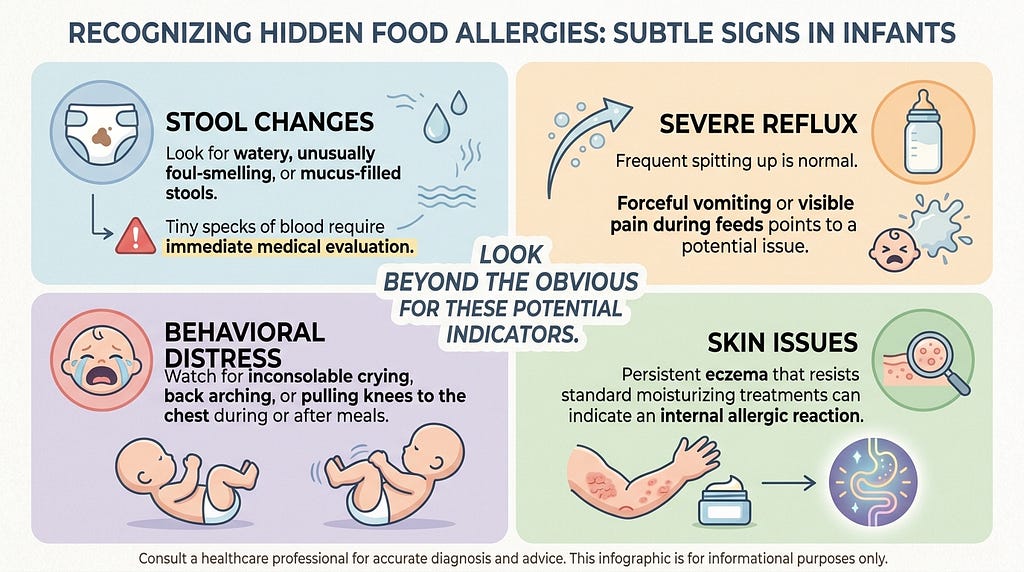
What Parents Can Observe
Since poor weight gain takes time to notice, observing daily digestive distress is helpful. Babies communicate discomfort through physical signs and behavior.
Nutrition and Feeding Considerations
If a doctor suspects a food allergy, the primary goal is to remove the allergen. This allows the gut to heal and absorb nutrients properly.
For breastfeeding mothers, this usually means a strict dairy and soy elimination diet. It can take up to three weeks for these proteins to clear your system. Mothers must carefully read food labels and find alternative sources of calcium to maintain their own health.
For formula-fed babies, pediatricians typically replace standard options with extensively hydrolyzed formulas. These formulas contain milk proteins that are broken down so the immune system ignores them. If symptoms persist, a doctor may prescribe an amino acid-based formula.
Practical Tips for Parents
Keep a detailed daily journal to share with your pediatrician. Track feeding times, amounts consumed, physical symptoms, and dirty diapers. If you are breastfeeding, record your daily diet.
Do not attempt to manage a suspected food allergy without medical supervision. Unguided dietary restrictions or sudden formula changes can cause nutritional deficiencies. Always consult a healthcare professional to ensure your baby gets the right balance of nutrients.
Once the correct dietary changes are made, expect improvements in your baby’s comfort and stool consistency within a week. Visible weight gain and growth chart stabilization usually take two to four weeks.
Nutritional Support Considerations
As you work to stabilize your baby’s diet and encourage healthy weight gain, finding the right nutritional balance is an ongoing process. Removing major food groups like dairy or soy means parents need to be intentional about finding alternative sources of vital nutrients.
For parents looking into additional options tailored to child development, exploring resources like Vitababy can provide supplemental information on nutritional support. Always discuss any new products, supplements, or dietary changes with your pediatrician first to make sure they align with your baby’s specific medical needs.
Originally published on Medium.