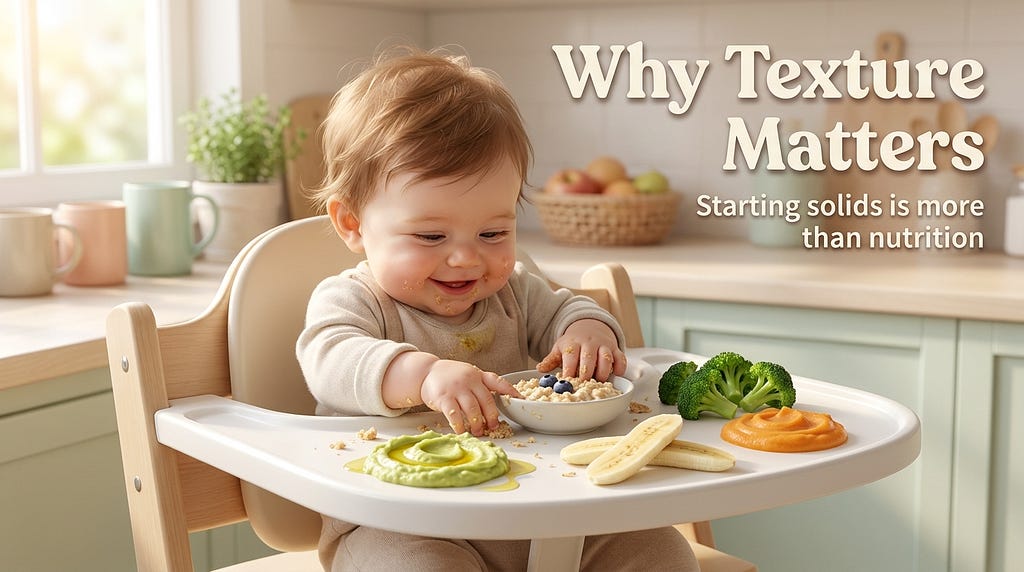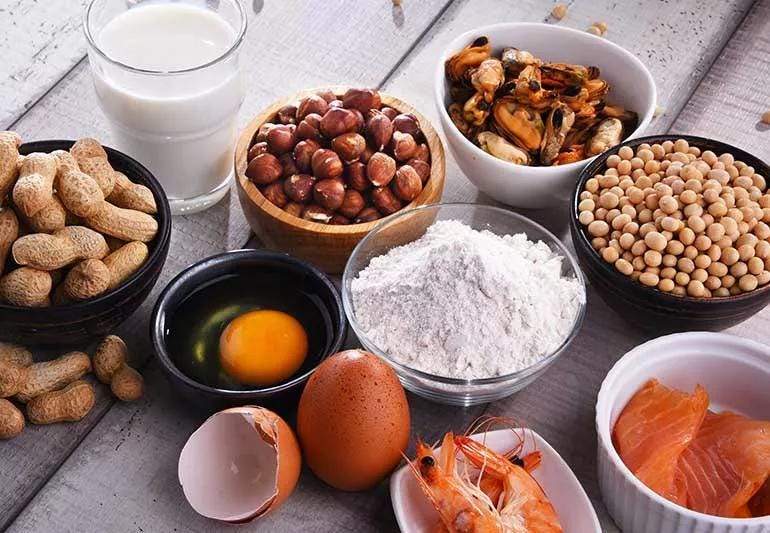
For years, many parents were told to avoid foods like peanut or egg during infancy. Today, pediatric guidance looks very different.
Current recommendations from pediatric and allergy experts now support introducing common allergens earlier — once babies are developmentally ready for solids. Instead of delaying these foods, research suggests that introducing them in safe forms during infancy may help support tolerance over time.
For many families, this change feels confusing at first. Introducing allergens can sound intimidating, especially during the already emotional stage of starting solids. But understanding the “why” behind the newer guidance can make the process feel much less stressful.
The “Window of Opportunity”
Older advice often recommended waiting until after age 1 to introduce foods like peanut, egg, or fish. Researchers believed delaying exposure might reduce allergy risk.
However, newer studies found little evidence that delaying allergenic foods prevents allergies. In some cases, introducing them earlier may actually be more protective.
The latest research, including clinical studies indexed on PubMed, suggests that there is a specific “window of opportunity” between 4 and 11 months of age. During this time, a baby’s immune system is surprisingly adaptable. Instead of viewing a new protein as a threat, their system is more likely to recognize it as “food” and build a lasting tolerance.
This is why organizations like the American Academy of Pediatrics and pediatric allergy experts now encourage introducing common allergens once babies are ready for solids — typically around 6 months, and sometimes earlier for babies considered higher risk.
Readiness Matters More Than the Calendar
Before introducing any food — including allergens — babies should first show developmental readiness signs for solids.
These usually include:
- good head and neck control
- ability to sit with support
- reduced tongue-thrust reflex
- interest in food and opening the mouth for a spoon
The goal is not to rush solids early, but to begin safely once babies are physically ready to handle food.
Peanut & Egg Have the Strongest Research
Among all allergens, peanut and egg currently have some of the strongest evidence supporting early introduction.
Researchers found that babies introduced to peanut-containing foods earlier — and who continued eating them regularly — were less likely to develop peanut allergy later in childhood. Similar protective effects have also been observed with egg introduction.
That does not mean every child will avoid allergies entirely. But it does explain why pediatric guidance has moved away from delaying these foods unnecessarily.
A Simple Approach Experts Often Recommend
For parents wondering how to safely begin allergen introduction, many pediatric feeding experts recommend keeping the process calm, gradual, and simple.
Some commonly suggested practices include:
1. Talk to Your Doctor
Babies with severe eczema, existing food allergies, or a strong family history of allergies may benefit from a personalized introduction plan before starting allergens.
2. Start Early (When Developmentally Ready)
Current guidance encourages introducing common allergens like peanut and egg earlier rather than delaying them unnecessarily. Waiting longer does not appear to prevent food allergies from developing.
3. Start Small
Many parents feel more comfortable beginning with a very small amount — such as a tiny spoonful mixed into another food — and gradually increasing the quantity if no reaction appears.
The goal is not to rush, but to introduce foods slowly and confidently while observing your baby’s response.
Safe Ways to Introduce Allergens
One of the biggest concerns parents have is safety. The good news is that allergens can be introduced in baby-friendly ways that reduce choking risk.
Examples include:
- thinned smooth peanut butter mixed into oatmeal or yogurt
- mashed scrambled egg or hard-boiled egg
- yogurt for dairy exposure
- soft tofu for soy
Whole nuts, thick spoonfuls of nut butter, and hard chunks should always be avoided for babies because they can be choking hazards.
Experts also recommend:
- introducing one allergen at a time
- starting with a very small amount
- offering it earlier in the day so parents can observe reactions
- avoiding introductions when the baby is sick
Supporting Parents With More Confident Feeding Decisions
Starting solids can feel overwhelming, especially with changing guidance around allergens, food safety, and nutrition.
At VitaBaby, the goal is to make feeding decisions feel simpler and more transparent for families. From ingredient insights to practical nutrition guidance, the platform is designed to help parents better understand what goes into their child’s food.
Originally published on Medium.