vitababy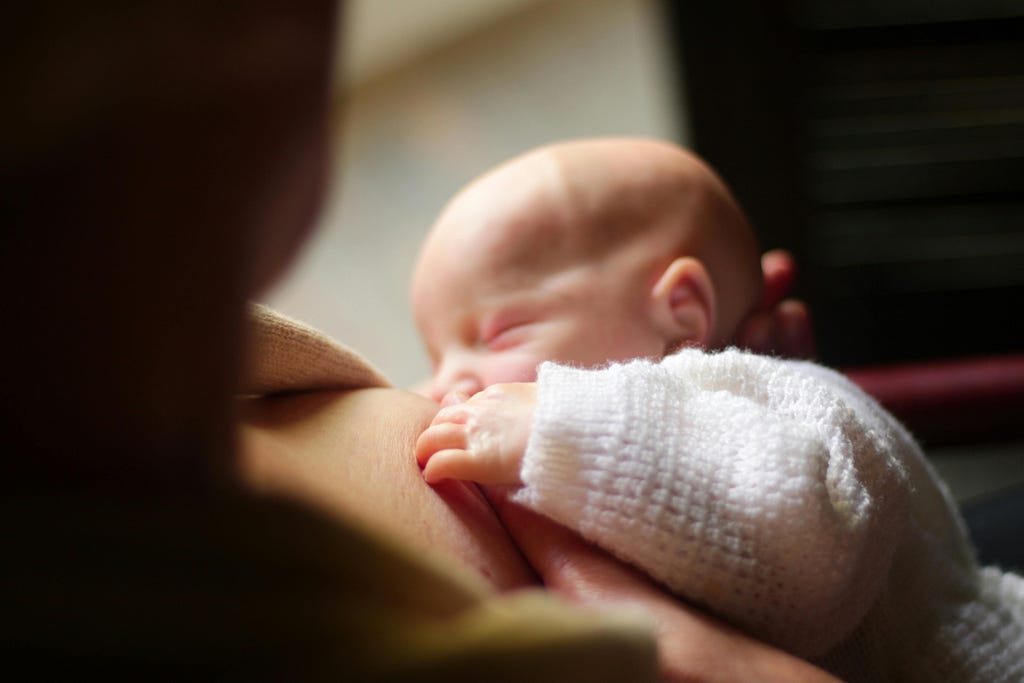
Wondering if breastfeeding prevents food allergies? Learn what the latest pediatric guidelines say about breast milk, maternal diet, and safe allergen introduction.
Infant feeding involves many decisions, and parents often seek the best ways to protect their baby’s health. With the prevalence of food allergies in children, a frequent question in pediatric clinics is whether breastfeeding acts as a shield against allergic conditions.
Because breast milk is the recommended standard for early infant nutrition, it is natural to assume it offers complete protection against dietary sensitivities. However, the relationship between breast milk, maternal diet, and infant food allergies requires a careful look at current medical research.
This article explores what the latest scientific guidelines say about breastfeeding, how breast milk interacts with an infant’s developing immune system, and the most effective strategies for reducing the risk of food allergies in children.
A Common Parent Concern: Will Breast Milk Stop Allergies?
Parents of newborns are highly focused on their child’s health and development. Many parents hope that by providing breast milk, they are actively preventing their child from developing peanut, egg, or dairy allergies later in life.
This concern is amplified for families who already have a history of allergies, asthma, or eczema. Caregivers want clear, actionable advice on how long they should breastfeed to guarantee protection, or whether they need to manage their own diet to keep their baby safe. It can be confusing to navigate the volume of advice available, especially when recommendations from older generations differ significantly from current pediatric guidelines.
Why This Concern Happens: The Rise in Childhood Allergies
The focus on allergy prevention stems from a documented increase in pediatric food allergies over the past few decades. Because food allergies can be severe and life-altering, the medical community has spent considerable time studying how to stop them before they start.
Historically, medical professionals theorized that a baby’s immune system was too immature to handle certain proteins. Parents were advised to delay the introduction of highly allergenic foods like peanuts and fish until the child was older. During this time, exclusive breastfeeding was heavily promoted as the primary way to prevent allergies.
However, as allergy rates continued to climb despite these delay tactics, researchers realized the strategy was flawed. The scientific understanding of how tolerance develops has since shifted entirely, leaving many parents trying to catch up with the new evidence.
What Parents Can Observe: Breast Milk and the Immune System
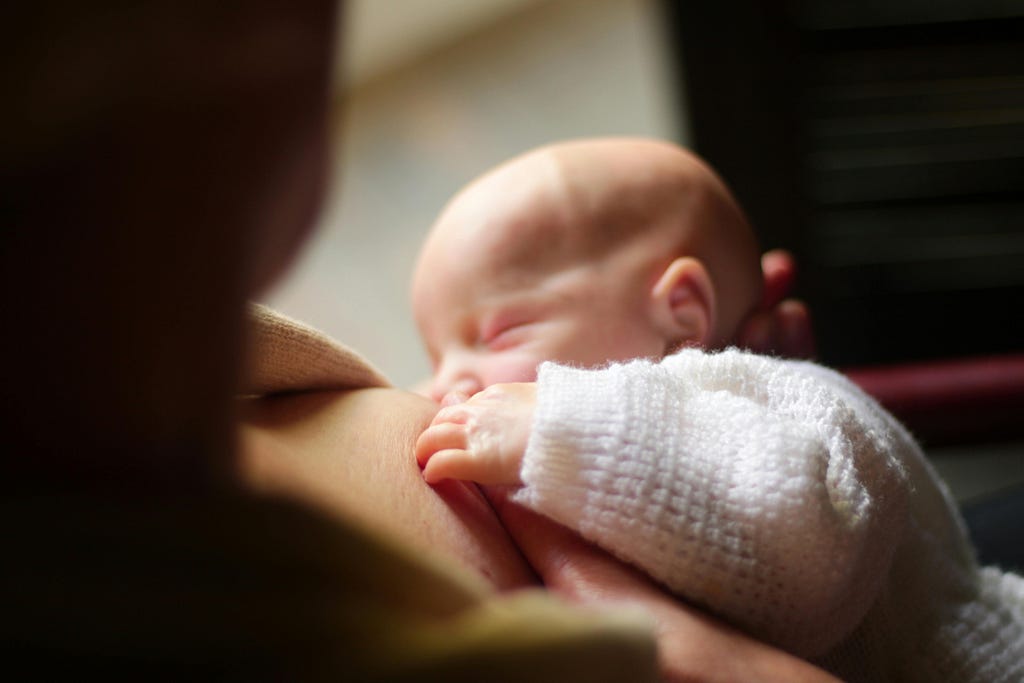
Breast milk provides comprehensive nutrition tailored to a baby’s first months of life. Beyond macronutrients, it contains living cells, antibodies, and proteins that help build a foundation for the infant’s immune system.
Research highlights that breast milk actively stimulates the development of an infant’s immune defenses. Colostrum, the early milk produced right after birth, contains high levels of secretory immunoglobulin A (IgA). This antibody coats the lining of the baby’s intestines, helping to block pathogens from entering the bloodstream.
Furthermore, studies have shown that proteins in breast milk can help protect offspring by transferring maternal immune factors. Breast milk contains anti-inflammatory mediators and cytokines that help train the infant’s immune system to recognize the difference between harmful bacteria and harmless food proteins. This early immune training is a vital part of overall health and gut development.
The Current Science on Breastfeeding and Allergy Prevention
Despite the clear immunological benefits of human milk, the specific ability of breastfeeding to prevent food allergies is nuanced. Many parents are surprised to learn that breastfeeding alone does not guarantee a child will be allergy-free.
According to research evaluating the effect of breastfeeding on food allergies, the relationship between the duration of breastfeeding and the absolute prevention of food allergies remains complex. While breast milk provides early immune support and may delay the onset of certain allergic symptoms, it is not a standalone cure or guaranteed prevention method.
Current medical consensus indicates that food allergies are influenced by a combination of genetics, environmental factors, skin barrier integrity (such as the presence of eczema), and exactly how and when solid foods are introduced into the baby’s diet.
Nutrition Considerations: Should Nursing Mothers Restrict Their Diets?
A very common question among breastfeeding parents is whether they should stop eating major allergens like peanuts, dairy, tree nuts, or eggs to protect their nursing infant.
Current international health guidelines strongly advise against routine dietary restrictions for lactating mothers. Eliminating foods from your diet without a medical necessity can negatively impact your own nutritional intake and decrease the overall quality of your diet during a time when energy demands are high.
Traces of the foods a mother eats do pass into her breast milk. According to experts at Prevent Allergies, this micro-exposure is generally considered a positive process. Exposing the baby to these broken-down proteins through breast milk may actually help the infant’s immune system become familiar with them in a safe manner. Unless a pediatrician or an allergist has diagnosed your baby with a specific allergy and explicitly instructed you to eliminate a food, you should maintain a diverse and balanced diet while nursing.
Feeding Considerations: The Importance of Early Allergen Introduction
If breastfeeding does not definitively prevent food allergies, parents need to know what steps actually work. The most significant advancement in allergy prevention over the last decade involves the early, active introduction of allergenic foods.
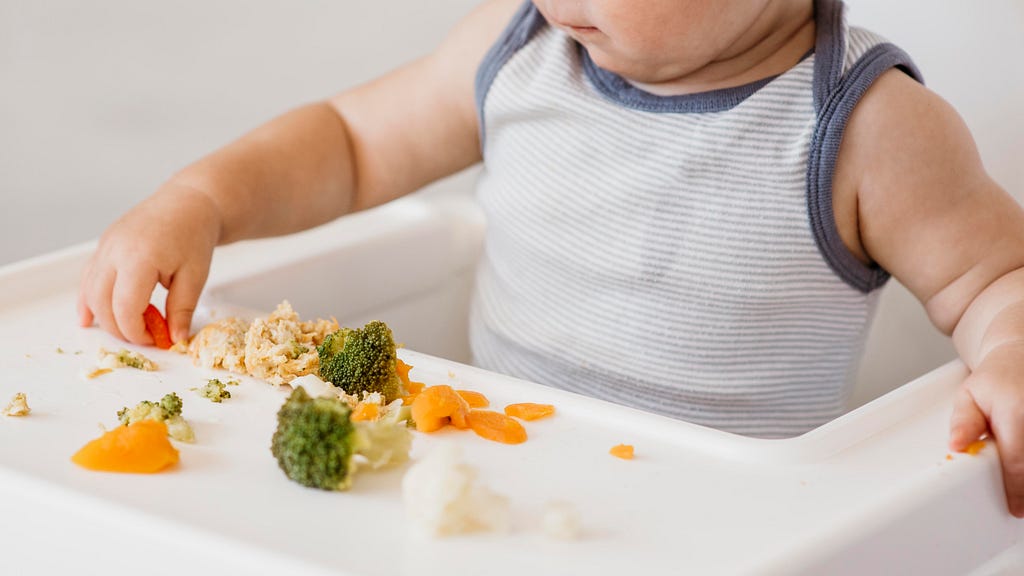
Major pediatric organizations, including the American Academy of Pediatrics, now recommend introducing potential food allergens early rather than delaying them. Once a baby is developmentally ready for solid foods, typically around 4 to 6 months of age, parents should introduce foods like thinned peanut butter, cooked eggs, and dairy alongside their regular breast milk or formula feedings.
Clinical trials have demonstrated that early and consistent exposure to these proteins in the digestive tract helps the baby’s immune system build a natural tolerance. This active oral exposure is currently the most evidence-based strategy for reducing the risk of conditions like peanut and egg allergies.
Understanding Cow’s Milk Protein Allergy (CMPA)
It is important to differentiate between preventing future food allergies and managing a current infant reaction. Some babies develop a specific immune reaction to the proteins found in cow’s milk, known as Cow’s Milk Protein Allergy (CMPA).
Symptoms of CMPA in infants can include:
- Frequent vomiting or excessive spit-up
- Diarrhea, mucus, or blood in the stool
- Skin rashes or worsening eczema
- Excessive crying or signs of severe abdominal discomfort
If a baby is exclusively breastfed and shows clear signs of CMPA, the cow’s milk proteins from the dairy the mother consumes are likely the trigger. In these diagnosed cases, a pediatrician will usually ask the mother to temporarily remove all dairy from her diet to observe if the infant’s symptoms improve. This is a targeted treatment for an existing issue, rather than a general prevention strategy.
Practical Tips for Parents Navigating Infant Allergies
Navigating infant feeding and allergy prevention requires a methodical approach. Here are practical steps parents can take:
- Eat a varied diet while nursing: Do not avoid allergens unless instructed by a doctor. Your diverse diet helps expose your baby to different proteins safely.
- Watch for eczema: Infants with severe eczema are at a higher risk for developing food allergies. Discuss this with your pediatrician early.
- Introduce solids at the right time: Look for signs of readiness, such as sitting up with minimal support and showing interest in food, usually between 4 and 6 months.
- Start allergens early: Introduce one highly allergenic food at a time (like peanut powder mixed with breast milk or pureed fruit) and wait a few days to monitor for any reaction.
- Maintain exposure: Once an allergen is introduced safely, keep it in the baby’s regular weekly diet to maintain immune tolerance.
- Know the signs of an allergic reaction: Be aware that hives, swelling of the lips or face, vomiting, or difficulty breathing require immediate medical attention.
Nutritional Support During Transitions
Ensuring your baby receives adequate nutrition during the transition from exclusive milk feedings to solid foods is a primary goal. Managing feeding challenges, especially if your child requires a specialized diet due to a diagnosed allergy, takes patience and careful planning.
For parents seeking tailored guidance on child growth, nutrients, and feeding stages, resources like Vitababy offer nutritional support options and educational tools. Always discuss any dietary changes, formula switches, or nutritional supplements with your child’s pediatrician to ensure they align perfectly with your baby’s unique developmental needs.
Key Takeaways
- Breast milk is highly beneficial for infant nutrition and helps stimulate the early development of the immune system.
- Despite its benefits, breastfeeding does not guarantee the prevention of food allergies.
- Nursing mothers should eat a varied diet and should not restrict common allergens unless explicitly directed by a healthcare professional.
- The most proven method for preventing food allergies is introducing allergenic foods early, typically between 4 and 6 months of age, once the infant is developmentally ready for solids.
- Always consult a pediatrician if your baby shows signs of eczema, digestive distress, or a potential allergic reaction.
Frequently Asked Questions
Does exclusive breastfeeding for six months prevent peanut allergies?
No. While exclusive breastfeeding for the first six months is recommended by the World Health Organization for general health and development, it does not prevent peanut allergies. Current guidelines suggest introducing peanut proteins around 4 to 6 months of age to help the immune system build tolerance.
Can a baby be allergic to breast milk?
Babies are not allergic to human breast milk itself. If an exclusively breastfed baby is having an allergic reaction or digestive issue, they are reacting to a specific food protein (such as cow’s milk dairy or soy) that the mother has eaten, which has passed into the milk.
If I have a food allergy, should I avoid that food while pregnant and nursing?
If you have a diagnosed food allergy, you must absolutely avoid that food for your own safety and health. However, you do not need to avoid other unrelated allergens simply because you have one specific allergy. Restricting your diet unnecessarily will not prevent your baby from developing allergies.
When should I talk to a doctor about introducing allergens?
You should speak to your pediatrician before starting solid foods. This is especially critical if your baby has severe eczema, a known egg allergy, or a strong family history of severe food allergies, as your doctor may recommend allergy testing before introducing specific foods at home.
References Used
- Koukou, Z., Papadopoulou, E., Panteris, E., Papadopoulou, S., Skordou, A., Karamaliki, M., & Diamanti, E. (2023). The Effect of Breastfeeding on Food Allergies in Newborns and Infants. Children.
- Food Allergy Research & Education (FARE). (n.d.). Proteins in Breastmilk Protect Offspring Against Food Allergy.
- Hanson, L. Å., Korotkova, M., & Telemo, E. (2003). Breast-feeding, infant formulas, and the immune system. Annals of Allergy, Asthma & Immunology.
- Prevent Allergies. (n.d.). Breastfeeding and Food Allergies.
Originally published on Medium.