vitababy
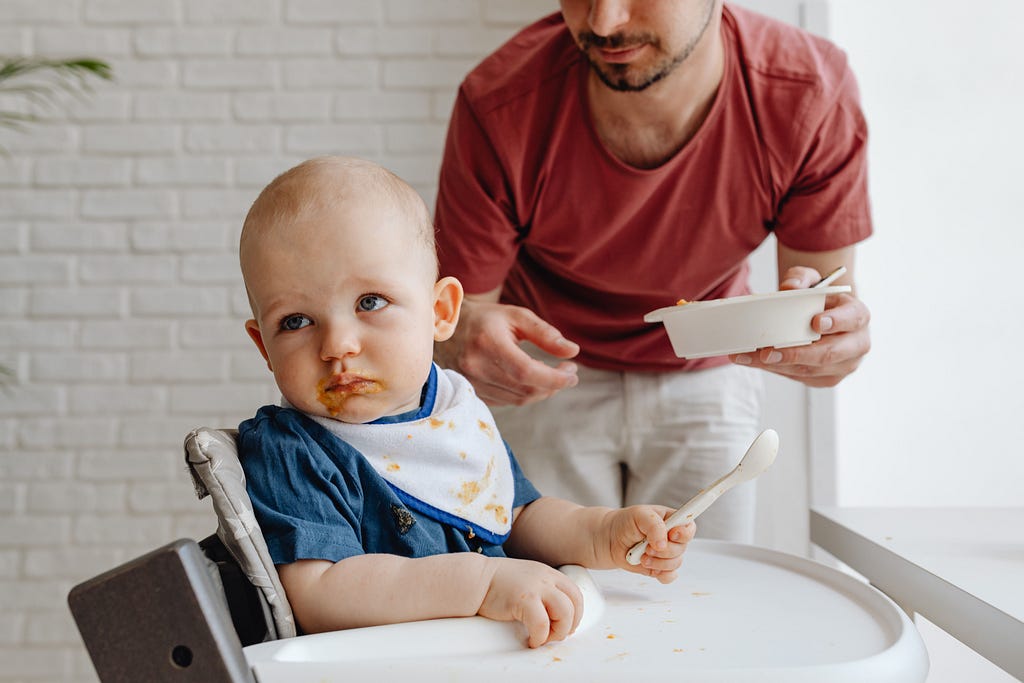
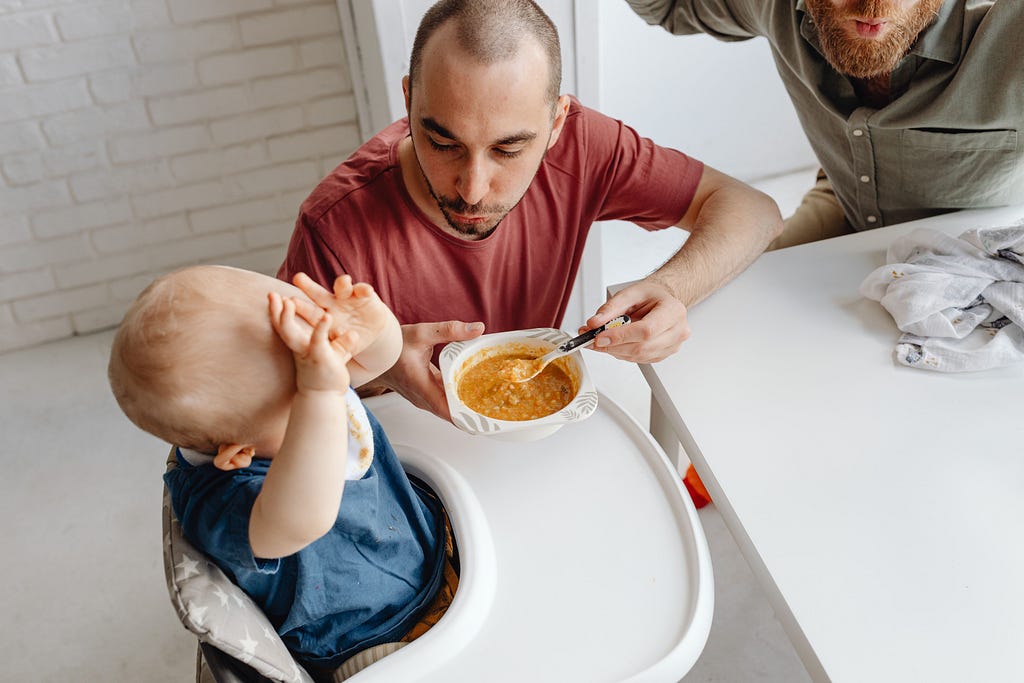
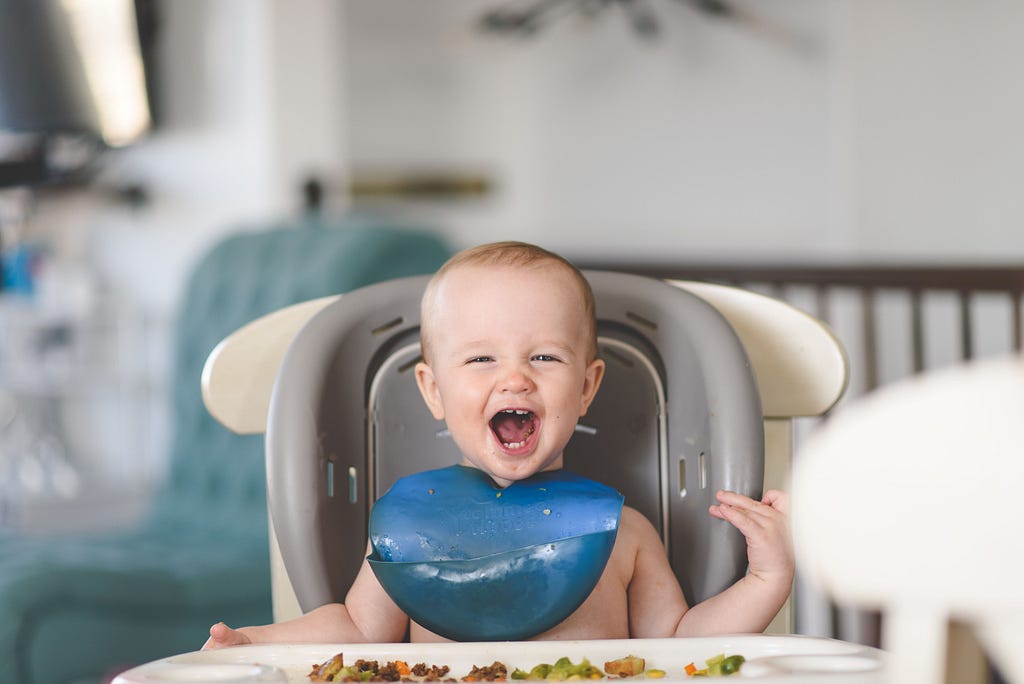
Starting solid foods is a standard part of infant development. While many parents expect their baby to readily accept purees or finger foods from the first bite, the reality is often different. It is common to see media portrayals of infants happily eating everything offered, which can set unrealistic expectations. Many babies approach food with hesitation or complete disinterest. If your baby is not interested in solid foods, it is a normal variation in development and there are practical ways to manage it.
Why Some Babies Hesitate with Solids
A baby’s temperament significantly influences how they respond to new experiences, including eating. Some infants are highly adaptable and dive right into new activities. Others are naturally cautious. A cautious infant may need extended time to observe, touch, and process new foods before attempting to taste them.
This hesitation is not a reflection of your parenting. It also does not mean your baby will always be a selective eater. It is simply their method of navigating a completely new sensory experience that involves unfamiliar textures, tastes, and smells. Understanding that this is a personality trait rather than a behavioral issue can help reduce mealtime stress.
Observing Your Baby’s Feeding Cues
Parents might notice their baby turning their head away, keeping their mouth tightly closed, or crying when a spoon is offered. Some infants will touch the food on their tray but refuse to bring it to their mouths. Others might take a small bite and immediately spit it out.
These behaviors generally indicate that the baby is feeling unsure or overwhelmed. They are rarely acting stubborn. Recognizing these cues helps caregivers understand when their baby needs a slower, more supportive approach to eating.
Practical Strategies for Cautious Eaters
Maintain a Calm Environment
Babies are highly perceptive. They often look to their caregivers to gauge how they should react to a new situation. If a parent is anxious during mealtime, the baby will likely sense that tension and become defensive. Taking a deep breath and projecting a relaxed, confident attitude can help your baby feel secure enough to try eating.
Allow Space for Exploration
It is natural to want to encourage your baby by watching their every move. However, too much attention can feel like pressure to a cautious infant. Try taking a step back. Caregivers must stay in the room for safety, but they can focus on their own plate or perform a simple kitchen task nearby. Giving the baby some breathing room allows them to explore the food on their own terms without feeling closely observed.
Adjust the Feeding Method
What works for one infant might not work for another. If you have been offering purees on a spoon and your baby resists, they might prefer to feed themselves. Offering developmentally appropriate finger foods allows them to have more physical control over the process. Conversely, if you started with finger foods and your baby seems overwhelmed, they might need the structure and support of spoon feeding for a while.
Check High Chair Ergonomics
High chair ergonomics play a significant role in how well a baby eats. If a baby’s feet are dangling or they are slumping backward, they have to use extra energy just to stay upright. This physical strain makes eating difficult. Ensure your baby has a supportive high chair with a solid footrest so they can focus entirely on learning the physical mechanics of eating.
Eat Meals Together
Babies learn primarily through observation. When you sit and eat with your baby, you model the physical mechanics of chewing and swallowing. They see how you pick up food and bring it to your mouth. This demonstration helps them understand what to do and reassures them that the food is safe. You can even exaggerate your chewing motions to make the process clearer for them.
Encourage Oral Exploration with Teethers
Before a baby can comfortably manage solid food, they need to understand the physical space inside their mouth. Offering safe teethers is an effective way to help them map their oral geography. This practice builds their confidence and sensory awareness for when actual food is introduced.
Modify the Feeding Schedule
If your baby is consistently refusing food, they might simply not be hungry enough to try something new. Finding the right window between a nursing or bottle session and a solid food meal takes some trial and error. Adjusting the time between milk feeds and solid feeds can increase the likelihood that your baby will have an appetite for solids.
Nutrition and Feeding Considerations
When a baby is slow to accept solids, parents naturally worry about their nutritional intake. It is important to remember that during the early months of starting solids, breastmilk or infant formula remains a primary source of nutrition. The main goal in the beginning is familiarization with food rather than consuming large volumes.
While you navigate this transition, incorporating appropriate nutritional support options like Vitababy can be one way to help ensure your baby meets their baseline requirements as they gradually learn to eat. Maintaining a focus on exposure rather than volume will keep mealtimes positive.
When to Seek Professional Guidance
Sometimes a baby’s reluctance to eat stems from a physical or functional factor rather than just temperament. It is appropriate to consult a pediatrician or a pediatric feeding therapist if you notice specific signs.
These signs include having little to no interest in solids by nine months of age or struggling to move past smooth purees at nine months. Other concerns include an inability to sit unsupported in a high chair by eight to nine months, or continuously spitting out all food after seven months. Seeking guidance early can help identify physical issues, such as a tongue tie, and provide you with targeted strategies to improve mealtime.
Originally published on Medium.