vitababy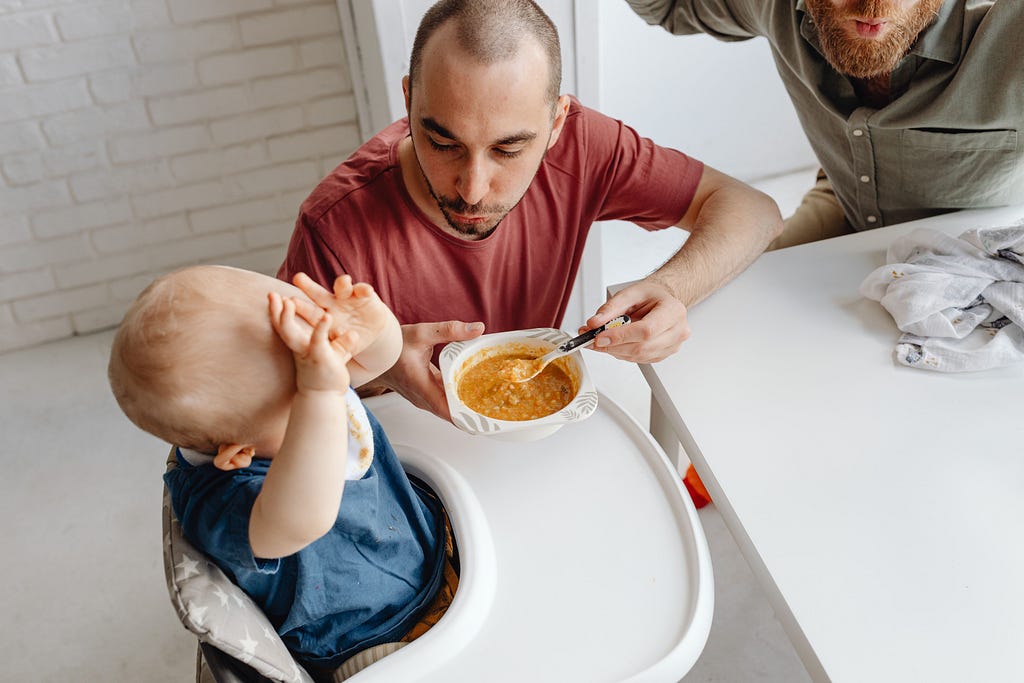
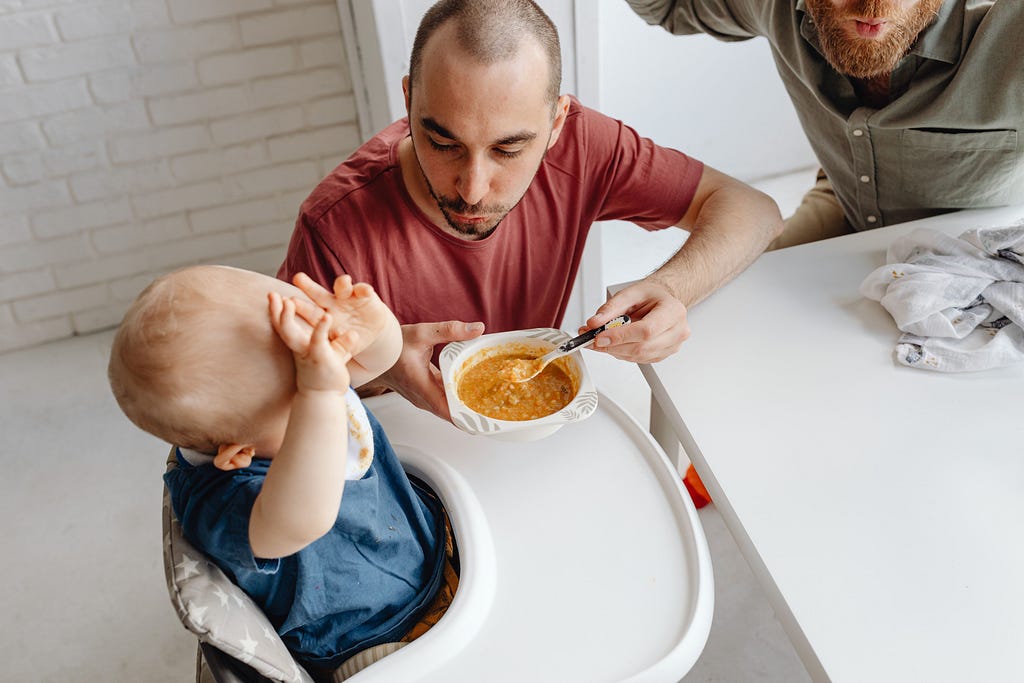
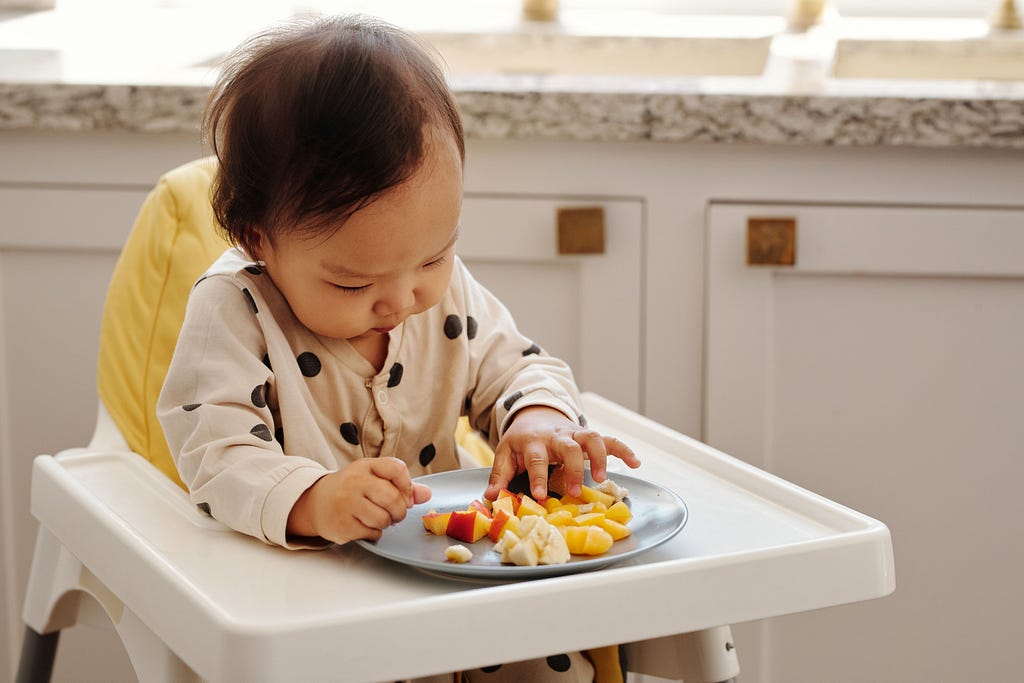
Starting solid foods brings up many practical questions for parents and caregivers. One common approach is baby-led weaning. In this method, parents offer infants soft table foods from the beginning rather than starting with spoon-fed purees. While many families prefer this approach to encourage feeding independence, safety remains a primary concern. The fear of an infant choking is a major reason some caregivers hesitate to offer whole foods. Understanding the actual risks and learning safe preparation methods can help parents navigate this developmental stage with greater confidence.
Parent Concern: The Fear of Choking
When parents transition their infant from a liquid diet to solid foods, the introduction of new textures can be intimidating. Breast milk and formula require a specific sucking and swallowing reflex. Solid foods require a completely different set of oral motor skills.
Parents often worry that allowing a baby to manage solid pieces of food will increase the likelihood of an airway blockage. This concern is valid. Infants are still developing the coordination required to chew and swallow safely. Watching a baby cough or sputter while eating can cause significant anxiety for caregivers. However, distinguishing between normal learning behaviors and actual medical emergencies is a vital part of the feeding process.
What the Research Says About Safety
The evidence indicates that baby-led weaning is as safe as traditional spoon-feeding when parents follow strict safety guidelines. A pivotal 2016 study published in the journal Pediatrics investigated this exact concern. This research, known as the BLISS trial, compared babies following a modified baby-led approach with babies who were spoon-fed purees.
The researchers found that the infants in the baby-led group did not have a higher risk of choking than the spoon-fed infants. The critical factor in these findings was parent education. Caregivers in the baby-led group received specific guidance on how to avoid known choking hazards.
The study also highlighted a crucial point about general feeding safety. A notable number of parents in both the spoon-feeding and baby-led groups occasionally offered foods that posed a choking risk. This finding emphasizes that understanding food safety is necessary regardless of the feeding method a family chooses. Safety protocols always apply whether a child is feeding themselves or being fed by an adult.
Why Gagging Happens: Understanding the Mechanics
Eating solid food is a learned skill. It is not an automatic reflex. When babies begin eating solids, they must learn how to manipulate food inside their mouths. They need to figure out how to move food with their tongue, mix it with saliva, and push it to the back of the mouth to swallow.
According to a review on complementary feeding in the first year of life, the gag reflex plays a protective role in this learning phase. In young infants, the gag reflex is triggered very far forward on the tongue. If a piece of food moves too far back before the baby has properly mashed it, the baby will gag. This action forces the food back to the front of the mouth so the baby can try chewing it again or spit it out. As babies grow and practice eating, this reflex gradually moves further back in the mouth.
What Parents Can Observe: Gagging Versus Choking
Because the gag reflex is so sensitive in young babies, gagging is a frequent occurrence during the early months of eating solids. It is highly important for caregivers to distinguish between gagging and choking. They require very different responses.
Gagging is a normal physiological response. A baby who is gagging may cough loudly or make sputtering noises. Their face may turn red, and they might look briefly uncomfortable. Their eyes often water, and they may push the food out of their mouth. As concerning as it may look to a parent, gagging means the baby’s protective reflexes are working perfectly. The infant is successfully managing the situation. Caregivers should remain calm, stay seated, and allow the baby to work the food out on their own. Intervening by putting fingers in the baby’s mouth can accidentally push the food further back.
Choking is a medical emergency. It occurs when an object partially or completely blocks the airway, preventing oxygen from reaching the lungs. Unlike gagging, choking is usually silent. A choking baby will not be able to cough, cry, or make any sound. Their face or lips may turn blue due to a lack of oxygen. They may look terrified or begin to lose consciousness.
If a baby is choking, immediate medical intervention is required. Caregivers must administer infant back blows and chest thrusts to dislodge the object. It is highly recommended that all parents and caregivers take a certified infant CPR and choking rescue course before introducing solid foods.
Practical Tips for Safe Food Preparation
Minimizing choking risks requires careful attention to how food is prepared. The shape, texture, and size of the food must match the baby’s developmental stage.
First, caregivers should evaluate the texture of the food. During the first few months of starting solids, all food should be soft enough to easily squish between an adult’s thumb and forefinger. If the food is too firm to mash with gentle finger pressure, it is too firm for a baby who does not yet have molars.
Second, the shape of the food matters greatly. In the early stages of baby-led weaning, infants use a palmar grasp. They pick up objects using their whole fist. Foods should be cut into thick, long strips or sticks that are roughly the length and width of an adult pinky finger. This specific shape allows the infant to hold the food securely in their fist while a small portion sticks out the top for them to nibble and practice chewing.
Third, caregivers must actively modify or avoid known choking hazards. Certain items are notorious for causing airway blockages because they are round, hard, or sticky.
Round foods such as grapes, cherry tomatoes, and large blueberries must be quartered lengthwise. Cutting them into long, thin wedges removes the round shape that can easily plug an infant’s airway. Simply cutting a grape in half is not sufficient, as a half-grape can still form a seal over the windpipe.
Hard foods like raw apples, raw carrots, and whole nuts should never be offered to infants. Apples and carrots can be modified by cooking them until they are very soft or by grating them finely. Nuts should never be given whole or in large pieces. Instead, they can be finely ground and stirred into yogurt or infant oatmeal.
Sticky or dense foods pose another distinct risk. Thick globs of peanut butter or other nut butters can become lodged in a baby’s throat. Nut butters should always be thinned out with breast milk, formula, or water until they run off a spoon. Alternatively, they can be spread in a very thin, transparent layer on a piece of soft toast.
Other common hazards that must be strictly avoided include popcorn, hard candies, marshmallows, chewing gum, hot dogs, and thick chunks of cheese.
Creating a Safe Feeding Environment
Food preparation is only one part of the safety equation. The environment in which a baby eats is equally important for preventing choking incidents.
Infants should always eat in a high chair equipped with a secure safety harness. The seat should support the baby in a completely upright position at a ninety-degree angle. Swallowing requires proper alignment of the throat and esophagus. Gravity plays an essential role in bringing food down safely. Parents should never feed a baby in a reclined stroller, an infant car seat, or a bouncy chair.
Supervision is an absolute requirement for every meal and snack. An adult should sit directly with the baby, remaining within arm’s reach for the entire duration of the feeding. Because true choking is silent, caregivers must be looking at the baby to notice if an emergency occurs.
Distractions should be kept to a minimum during mealtimes. Turn off the television, put away mobile phones, and avoid active play while food is present. A calm, focused environment helps the baby concentrate on the complex task of chewing and swallowing.
Nutrition and Feeding Considerations
The transition to solid foods is a critical time for introducing necessary nutrients into an infant’s diet. Around six months of age, a baby’s natural iron stores begin to deplete. Babies who feed themselves from the beginning need consistent access to iron-rich foods. Suitable options include soft cooked meats, poultry, beans, and lentils.
Parents sometimes observe that their baby seems to be mostly playing with the food rather than consuming large quantities. In the initial months of starting solids, breast milk or infant formula remains the primary source of nutrition. Solid foods provide practice for oral motor skills and gradual exposure to new tastes and textures.
If parents have concerns about their baby’s nutrient intake, weight gain, or overall growth curve, discussing these issues with a pediatrician is the best approach. Medical professionals can offer tailored advice for a child’s specific developmental stage. Some families also explore supplemental options like Vitababy to help support their child’s daily nutritional needs, always keeping whole, appropriately prepared foods as the foundation of the infant diet. Offering a wide variety of safe textures helps infants build chewing skills that will serve them well into toddlerhood and beyond.
Originally published on Medium.