vitababy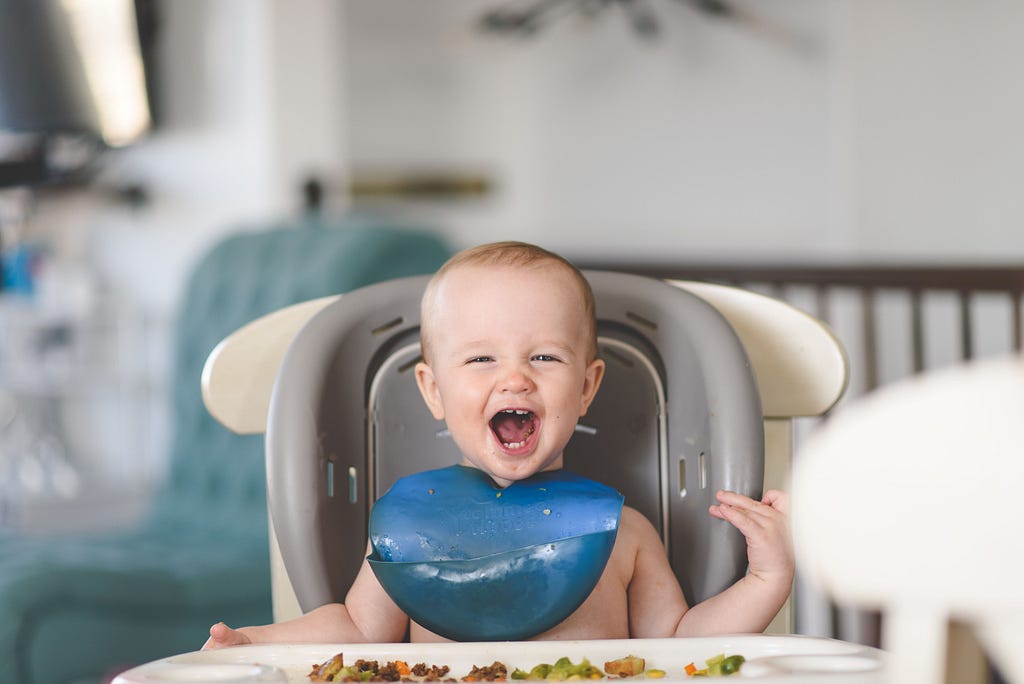
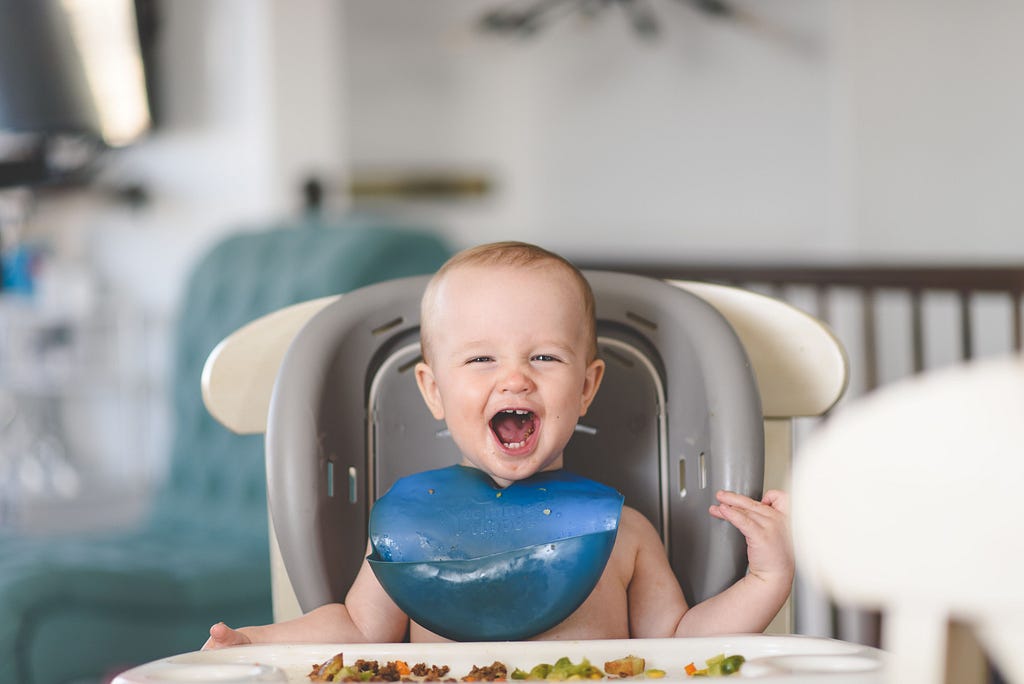
Adding solid foods to your baby’s diet is a gradual process. In the beginning, breast milk or infant formula provides all the nutrition your baby needs. As your child grows, their energy and nutrient requirements increase, making solid foods a necessary part of their day. While parents often know how to start the first pureed meals, figuring out when and how to introduce snacks can be less clear.
This guide breaks down the feeding timeline so you can confidently offer healthy snacks that support your baby’s growth and development.
When to Start Snacks: A Common Parent Concern
Many parents wonder if they are offering too much or too little food as their baby grows. A frequent question is exactly when a baby needs a snack in addition to their regular meals.
According to the World Health Organization’s guidelines for complementary feeding, the process of providing foods in addition to milk starts around six months of age. During these early months of eating solids, your baby is just learning how to swallow and process new textures. By the time they reach about eight or nine months old, they will likely be eating three small meals a day. This is generally the time when parents can begin offering a small snack between meals to keep up with their baby’s energy needs.
Why the Transition from Milk to Meals Matters
Introducing solid foods at the right time ensures your baby gets the iron and nutrients they need for healthy development. Research from the American Academy of Pediatrics supports the introduction of appropriate complementary foods at about six months, noting that a baby’s digestive and motor systems are mature enough to handle it at this stage.
Between six and eight months, your baby is establishing a baseline for eating meals. At six months, you usually start with one meal a day. By seven months, this often increases to two meals. Once your baby is comfortably eating three meals a day, usually around eight to nine months, their digestive system and motor skills are ready to handle the addition of a daily snack.
What Parents Can Observe: Signs of Readiness
Before offering snacks, you should observe your baby for a few key developmental signs. These indicate that they are physically ready to manage smaller pieces of food between main meals.
- They are consistently eating three meals a day.
- They have developed the pincer grasp, meaning they can use their thumb and pointer finger to pick up small objects.
- They show clear signs of hunger between their main meals and their milk feeds.
- They can sit upright in a high chair independently.
- They chew or mash food effectively with their gums.
Age-by-Age Guide to Introducing Snacks (9 to 12 Months)
As your baby’s motor skills improve, the types of snacks you can offer will evolve. Based on standard developmental milestones, here is a general timeline to help you navigate this phase.
9 Months Old
At nine months, your baby is likely eating three meals a day with the rest of the family. This is an ideal time to introduce one healthy snack, usually in the morning or the afternoon. Because their pincer grasp is developing, finger foods are highly engaging.
- Soft fresh fruit like bananas or raspberries sliced in half.
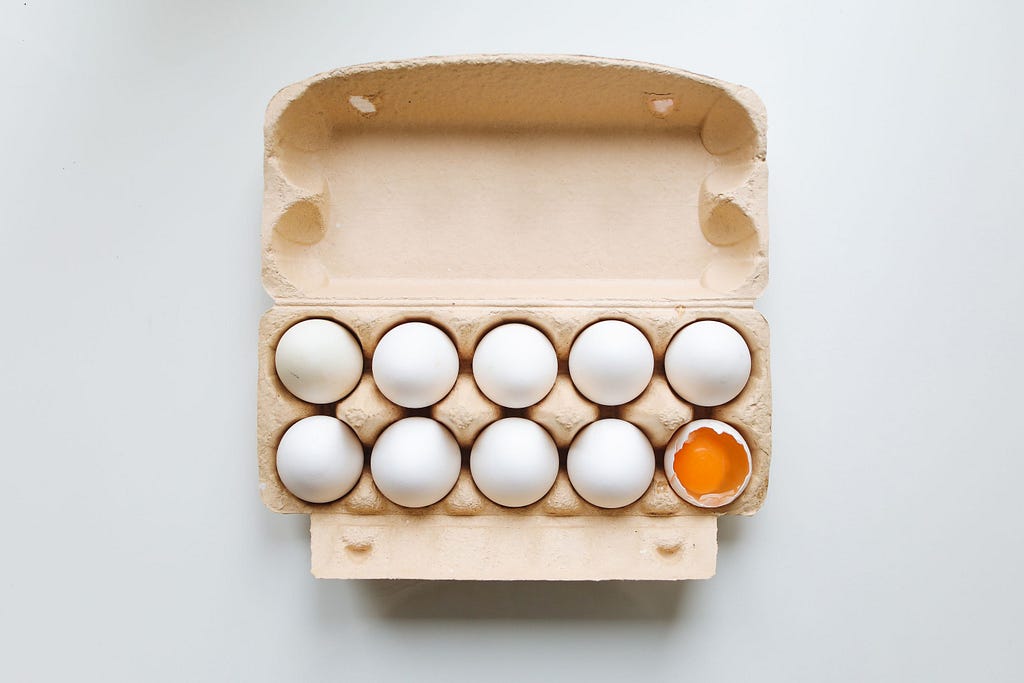
- Small pieces of scrambled egg.
- Shredded cheese.
10 Months Old
By ten months, your baby will be more efficient at feeding themselves. You can continue to offer one snack a day while introducing slightly different textures.
- Sliced stone fruits with all pits removed.
- Soft cooked vegetable sticks, like carrots or sweet potato.
- A small portion of full-fat plain yogurt.
11 Months Old
Your baby is now preparing for the transition to toddlerhood. They are likely very independent at meal times. You can continue to offer a daily snack that helps them practice chewing.
- Soft, shredded pieces of chicken or meat.
- Cooked, mashed vegetable patties.
- Plain rice puffs.
12 Months Old
At one year of age, your baby will be eating the same meals as the rest of the family, cut into safe, bite-sized pieces. At this stage, most babies thrive on three meals and two healthy snacks per day.
- Homemade muffins made without added sugar.
- Small pasta pieces.
- Soft rice balls.
Nutrition and Feeding Considerations
When planning snacks, it helps to view them as mini-meals rather than treats. Snacks are an opportunity to offer nutrient-dense foods that might have been missed during breakfast or lunch.
Prioritize iron-rich foods, fresh fruits, cooked vegetables, and healthy fats. Avoid highly processed foods, items with added sugars, and foods with high sodium content. It is also important to wait until after 12 months to introduce cow’s milk as a primary drink, though full-fat cheese and yogurt can be introduced earlier as snacks. Honey must be completely avoided until the first birthday due to the risk of infant botulism.
If you are concerned about whether your baby is getting enough nutrients as they transition to more solids and snacks, tools like Vitababy can offer helpful insights into their nutritional support needs. Always discuss specific dietary concerns with your pediatrician.
Practical Tips for Safe Snacking
Safety should always be the priority when feeding a baby. Keep these practical tips in mind to create a secure eating environment.
- Always stay with your baby and actively supervise them while they are eating.
- Ensure your baby is seated upright and securely strapped into a high chair.
- Avoid foods that pose a high choking risk, such as whole grapes, whole nuts, popcorn, hard candies, and chunks of peanut butter.
- Cut round foods, like cherry tomatoes or grapes, into small lengthwise quarters.
- Continue to offer breast milk or infant formula before or after solids based on your baby’s specific hunger cues, as milk remains a crucial source of nutrition through the first year.
Originally published on Medium.