vitababy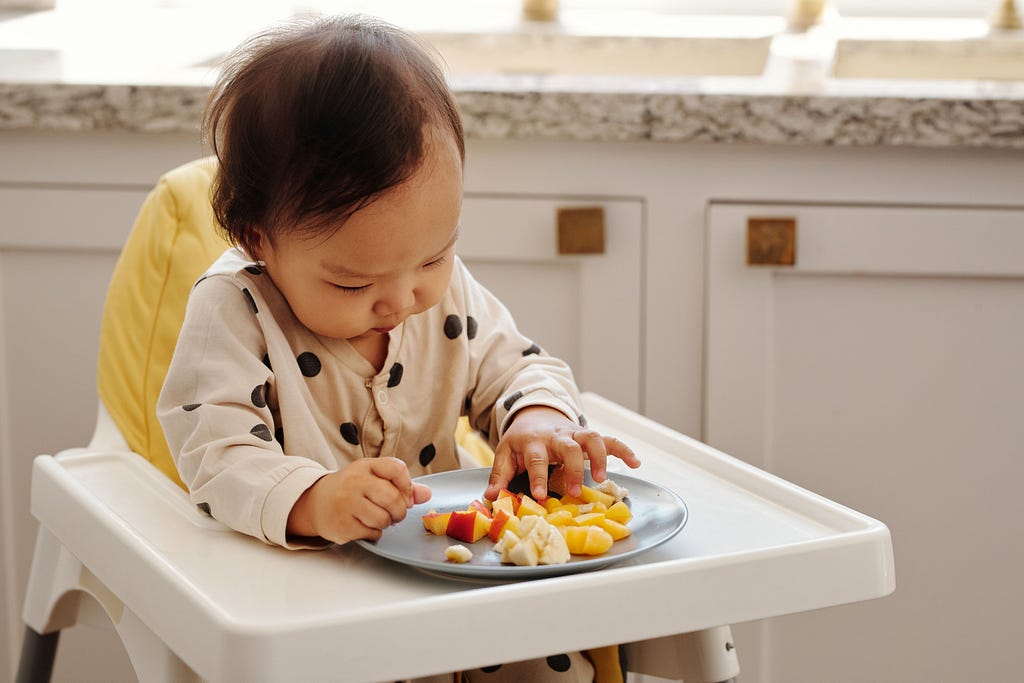
Learn what babies should eat at 6–12 months, including protein, fruits, vegetables, healthy fats, grains, allergens, and safe textures.

Starting solids can quickly turn into a long list of questions. Is my baby eating enough? Should every meal include vegetables? When should I introduce meat, eggs, or peanut butter? Are purees still okay?
The good news is that feeding a baby from 6 to 12 months does not need to be complicated. Once your baby shows signs of readiness, such as sitting with support, having good head control, and being able to swallow food, you can begin introducing solid foods alongside breast milk or infant formula.
Focus on Variety
There is no perfect menu for babies. Instead, focus on offering a variety of foods over time. Vegetables, fruits, protein foods, whole grains, dairy without added sugar, and healthy fats can all have a place in a baby’s diet.
One meal might be oatmeal with banana, while another could be scrambled egg with avocado or soft chicken with vegetables. You do not need to include every food group at every meal. The bigger picture across several days matters more than one plate.
Include Protein and Iron-Rich Foods
Protein-rich foods can provide important nutrients such as protein, iron, and zinc during this stage of rapid growth. Soft meat, fish, eggs, tofu, beans, lentils, and plain yogurt are all options. Iron-rich foods are especially useful as babies begin eating more solid foods.
The texture should match your baby’s skills. Meat can be finely shredded or minced, eggs can be served soft and scrambled, and beans can be mashed. There is no need to make these foods complicated.
Don’t Forget Fruits, Vegetables, and Healthy Fats
Fruits and vegetables help babies experience different flavors, colors, and textures. Soft fruits such as banana, pear, avocado, berries, and ripe peach can be prepared according to your baby’s developmental stage. Vegetables such as sweet potato, carrots, peas, and spinach can be mashed, pureed, finely chopped, or offered as appropriate soft finger foods.
Introducing different tastes and textures can help babies become familiar with a wider range of foods. If your baby refuses something, there is no need to force it. Keep offering different foods over time.
Healthy fats can also be part of meals. Avocado, eggs, full-fat plain yogurt, oily fish, and safe forms of nut or seed butter can add nutrients and energy to relatively small meals.
Milk Still Matters
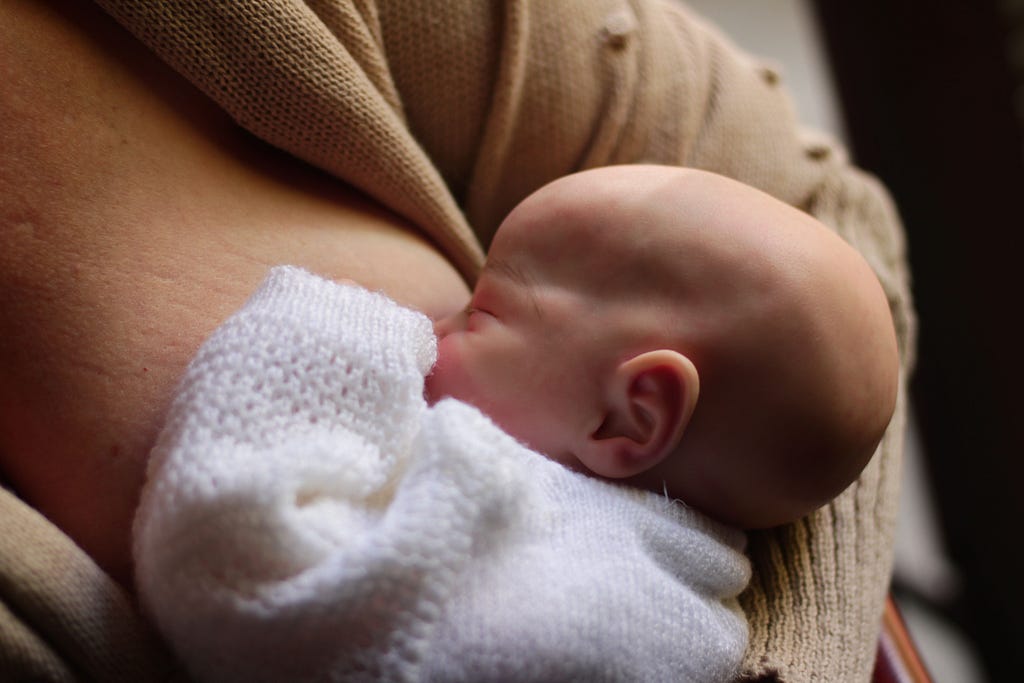
Starting solids does not mean breast milk or formula suddenly becomes unimportant. From 6 to 12 months, breast milk and/or infant formula remains an important source of nutrition while solid foods gradually become a larger part of the diet.
Small amounts of water can also be offered with meals. Water for babies 6–12 months can be introduced alongside their usual milk feeds. Cow’s milk should not replace breast milk or infant formula as the main drink before 12 months, although foods such as plain yogurt and pasteurized cheese can be introduced earlier.
Texture Matters Too
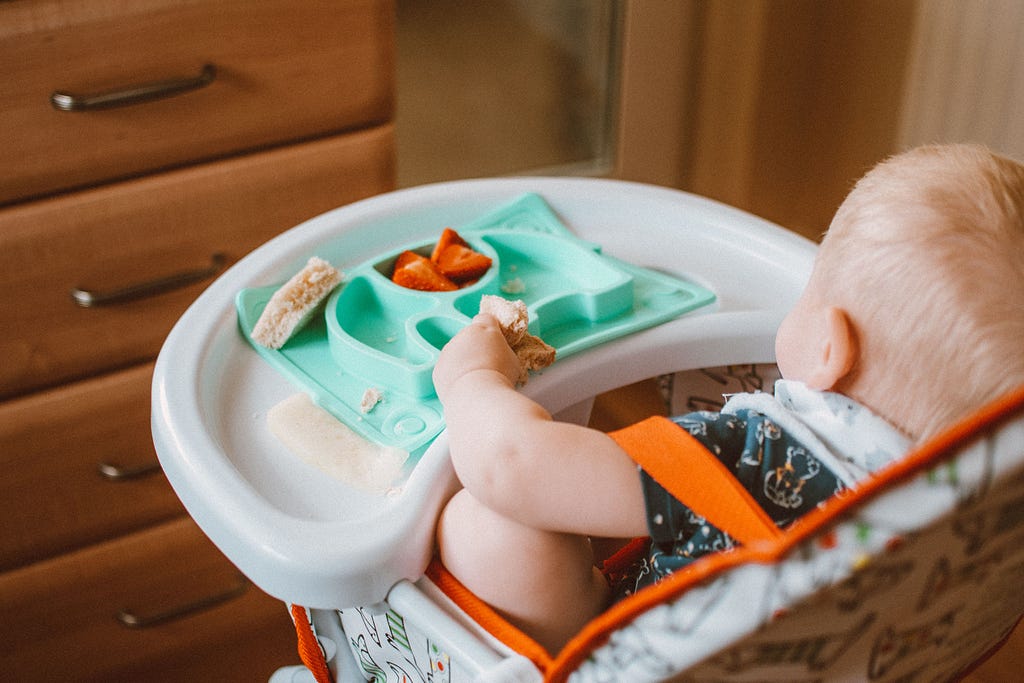
Babies do not need to stay on smooth purees throughout the first year. As their eating skills develop, you can gradually move from smooth foods to thicker, lumpy, mashed, finely chopped, and soft finger foods.
The important thing is to choose textures that your baby can manage safely. Foods should be soft and prepared appropriately, and babies should always be supervised while eating. Avoid common choking hazards such as whole nuts, hard raw vegetables, whole grapes, and thick spoonfuls of nut butter. Safe food preparation is just as important as choosing nutritious foods.
What About Allergens?
Common allergens do not necessarily need to be delayed. Once your baby is ready for solid foods, foods such as egg, peanut, dairy, wheat, soy, and fish can generally be introduced in appropriate forms. Introducing common allergens can be part of normal complementary feeding.
If your baby has severe eczema, an existing food allergy, or another medical concern, speak with your pediatrician about the safest approach.
Look at the Bigger Picture
Some days your baby may eat a lot. Other days, they may barely touch their food. One small meal does not tell you whether your baby is getting enough nutrition.
Instead, look at the overall pattern. Are they gradually trying different foods? Are they continuing to receive breast milk or formula? Are they developing new eating skills? Are you noticing changes in appetite, feeding, or growth?
Keeping track of these patterns can make feeding feel less like guesswork. For parents who want an easier way to organize meals, appetite, feeding, and growth information, VitaBaby can help bring those everyday observations together in one place.
The Goal Is Progress, Not Perfect Meals
Your baby’s meals do not need to look perfect. What matters is gradually building variety, offering nutritious foods, introducing new textures, and paying attention to your baby’s hunger and fullness cues.
At 6–12 months, your baby is not just learning what foods they like. They are learning how to eat. And that takes time.
Originally published on Medium.