vitababy
Learn how to spot added sweeteners on baby food labels, understand misleading ingredient names, and make informed choices for your little one.

Walking through the baby food aisle can feel reassuring. Colorful pouches, organic fruit purées, and toddler snacks often feature appealing claims such as “made with real fruit” or “no artificial ingredients.” Yet the front of a package rarely tells the whole story.
Turn the product around, and the ingredient list may reveal sweeteners hiding behind unfamiliar names. Some sound technical, others seem naturally wholesome, and a few resemble ordinary fruit ingredients. For parents trying to limit added sugar, knowing what these terms mean can make grocery shopping much easier.
Understanding food labels isn’t about avoiding every packaged product. It’s about knowing what goes into your baby’s meals and choosing foods that support healthy growth and eating habits.
Why Added Sugar Matters During the First Two Years
The first two years of life are an important period for growth, brain development, and the formation of eating preferences. During this time, babies gradually explore new tastes and textures as they transition from breast milk or infant formula to complementary foods.
Added sugars can make foods sweeter without providing the same range of nutrients found in whole foods. When sweetened products become a regular part of a child’s diet, they may also displace foods that provide essential nutrients, including iron, protein, healthy fats, and vitamins.
The American Academy of Pediatrics advises avoiding added sugars in the diets of children younger than two years. The World Health Organization also recommends limiting free sugars throughout life.
This doesn’t mean parents need to eliminate fruit or worry about every naturally occurring sugar. The important distinction is between sugars naturally present in whole foods and sweeteners added during food processing.
10 Hidden Names for Added Sweeteners
Sugar doesn’t always appear on an ingredient list as simply “sugar.” Here are ten names worth recognizing when shopping for baby food.
1. Dextrose
Dextrose is a form of glucose that may be used as a sweetener or ingredient in processed foods. Although the name sounds scientific, it is a simple sugar.
2. Maltose
Maltose is a sugar formed when starch breaks down. It can contribute sweetness to processed foods and is sometimes used in products made with grains.
3. Fructose
Fructose is a naturally occurring sugar found in fruit. However, isolated fructose added during manufacturing is different from eating whole fruit, which also provides fiber, water, and other nutrients.
4. Maltodextrin
Maltodextrin is produced from starch, commonly sourced from corn, rice, or potatoes. It is often used to improve texture, bulk, or consistency in packaged snacks.
Although it isn’t classified as a simple sugar, maltodextrin is rapidly digested and can raise blood glucose. Its presence doesn’t automatically mean a product contains added sugar as defined on a nutrition label, but it is worth recognizing when evaluating highly processed snacks.
5. Fruit Juice Concentrate
Apple, pear, and grape juice concentrates are frequently used to sweeten fruit-based products. Concentrating juice removes much of its water and creates an ingredient rich in sugars.
Despite its fruit-based origin, juice concentrate used as a sweetener is not nutritionally equivalent to whole fruit. It generally provides less fiber and makes it easier to consume concentrated sugars.
6. Corn Syrup
Corn syrup is a sweetener made from corn starch. It may be added to processed foods to provide sweetness, texture, or moisture.

7. High-Fructose Corn Syrup
This sweetener contains glucose and fructose in varying proportions. It is used in some processed foods and beverages and is another ingredient parents may wish to identify when checking labels.
8. Brown Rice Syrup
Brown rice syrup is produced by breaking down rice starch into sugars. Its name may suggest a wholesome, grain-based ingredient, but it still functions as an added sweetener when used in that role.
9. Evaporated Cane Juice
Despite the word “juice,” evaporated cane juice is a form of sugar made from sugarcane. Similar terms include organic cane sugar and raw cane sugar.
Organic certification describes how an ingredient is produced; it doesn’t mean that the ingredient is free from sugar or that it is nutritionally superior to other added sugars.
10. Agave Nectar and Coconut Sugar
Agave nectar and coconut sugar are often marketed as natural alternatives to conventional sugar. However, when added to food, they remain added sweeteners.
Their botanical origins and marketing claims don’t make them necessary additions to an infant’s diet.
One more ingredient to remember: honey. Honey is a source of free sugars and must never be given to babies younger than 12 months because of the risk of infant botulism.
Is Fruit Sugar in Baby Food Always a Problem?
Whole fruits contain naturally occurring sugars alongside fiber, water, and other nutrients. Soft pears, mashed bananas, berries, and other age-appropriate fruits can be valuable parts of a baby’s diet.
Added sweeteners are different because they are introduced during manufacturing or preparation. Fruit juice concentrates used specifically to sweeten a product can also count as added sugars or free sugars under relevant nutrition guidelines.
For example, consider two products:
- Product A: A purée made from apples and pears, with no added sweeteners.
- Product B: A similar purée containing apple juice concentrate added to increase sweetness.
Both products may contain sugar on the nutrition label, but the ingredient lists tell different stories. Product B includes a concentrated sweetening ingredient that deserves closer attention.
The best choice depends on the full ingredient list, the product’s nutritional composition, and your baby’s needs — not simply whether the package says “fruit” or “organic.”
How to Read Baby Food Labels More Confidently
You don’t need to memorize every possible name for sugar. A few simple habits can help you make more informed decisions.
Check the ingredient list first
Ingredients are generally listed in descending order by weight. If sugar, syrup, or a sweetening concentrate appears near the beginning, it may make up a substantial portion of the product.
Look for terms such as glucose syrup, fruit juice concentrate, cane sugar, and other sweeteners described above.
Look for added sugars on the nutrition label
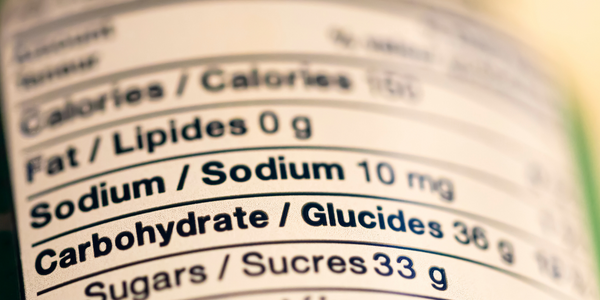
In the United States, Nutrition Facts labels distinguish total sugars from added sugars. This can help parents understand whether sweeteners were added during manufacturing.
Label formats vary by country, however, and not every market uses the same terminology or labeling requirements. When an added-sugars line isn’t available, the ingredient list becomes especially useful.
Don’t rely on front-of-package claims
Words such as “organic,” “natural,” and “made with fruit” don’t automatically mean a product contains no added sweeteners.
A product can contain organic ingredients and still contain added sugar. Reading the ingredient list is more informative than relying on marketing language alone.
Compare similar products
If two products offer similar convenience, compare their ingredient lists and nutritional information. Choose options without added sweeteners when practical, while also considering iron, protein, texture, and other nutrients important to your child’s age and development.
Helping Babies Learn to Enjoy Natural Flavors
Early feeding is about more than meeting nutritional needs. It is also an opportunity for babies to become familiar with a wide range of flavors.
Vegetables such as broccoli, spinach, and squash introduce tastes that differ from the sweetness of fruit. Legumes, eggs, meat, and other appropriate foods provide additional flavors and textures while contributing important nutrients.
Repeated, pressure-free exposure can help children become more familiar with foods over time. There’s no need to make every meal perfect or expect a baby to enjoy every food immediately.
Parents can start with simple meals made from age-appropriate ingredients, gradually expand variety, and use packaged foods when they are convenient and suitable.
Hidden sweeteners can appear under many names, from dextrose and maltose to syrups and concentrated juices. Learning to recognize these ingredients helps parents look beyond packaging claims and make choices based on what’s actually inside.
For children under two, avoiding added sugars is a useful general guideline. Prioritize a varied diet with nutrient-dense foods, introduce different tastes and textures, and remember that convenience foods can still have a place when selected thoughtfully.
At VitaBaby, we believe nutrition guidance should help parents feel informed rather than overwhelmed. Understanding food labels is one practical step toward building healthy eating habits from the very beginning.
Originally published on Medium.