vitababy


Ensuring that children receive proper and balanced nutrition is a cornerstone of comprehensive pediatric care. When dealing with underweight children, helping them achieve a healthy and sustainable weight gain is vital for supporting their overall physical growth, cognitive development, and general well-being. Incorporating nutritious high-calorie foods into daily routines plays an essential role in bridging nutritional gaps and helping children reach appropriate developmental milestones.
Understanding Why Children Become Underweight
Children can fall below standard weight curves for a wide variety of reasons. Common contributing factors include genetic predisposition, exceptionally high daily activity levels, selective or picky eating habits, and occasionally underlying medical conditions. Parents and caregivers should consult a qualified pediatrician or healthcare provider to rule out any clinical complications and receive personalized advice. According to global guidance from the World Health Organization, monitoring indicators such as weight-for-age and body mass index helps identify undernutrition early, ensuring that children receive timely and appropriate support. Once medical concerns are addressed, shifting focus toward a calorie-dense, nutrient-rich diet becomes the primary course of action.
Nutrient-Dense, Calorie-Rich Foods for Healthy Weight Gain
To help children gain weight safely without relying on empty calories, caregivers can introduce specific nutrient-dense food groups:
- Nut Butters and Nuts: Peanut butter is a versatile option that can be spread over whole-grain bread, crackers, or apple slices, providing a substantial caloric boost. Almonds, cashews, and other tree nuts are similarly packed with healthy fats, quality proteins, and essential vitamins. They can be finely chopped and added to breakfast cereals, yogurt, or offered as wholesome snacks.
- Dairy Products: Transitioning from low-fat milk to whole milk provides an easy caloric increase. Dairy items like full-fat yogurt, cottage cheese, and natural cheeses can be seamlessly incorporated into sandwiches, pasta dishes, and fruit snacks.
- Healthy Fats and Oils: Avocados are rich in monounsaturated fats and offer a high density of calories. They can be mashed into guacamole, sliced onto sandwiches, or blended into dressings. Drizzling olive oil over cooked vegetables or mixing it into pasta dishes is another efficient way to increase the energy content of meals.
- Protein-Rich Sources: Eggs are an exceptionally versatile and nutrient-dense food that can be prepared as scrambled eggs, omelets, or hard-boiled snacks. Including richer protein options such as chicken thighs, salmon, and tuna helps supply the building blocks required for muscle and tissue growth.
- Grains and Complex Starches: Whole grains like oatmeal, brown rice, and whole-wheat bread supply sustained energy alongside valuable dietary fiber. Starchy vegetables, including potatoes and sweet potatoes, are excellent sources of complex carbohydrates and calories when served mashed, roasted, or baked.
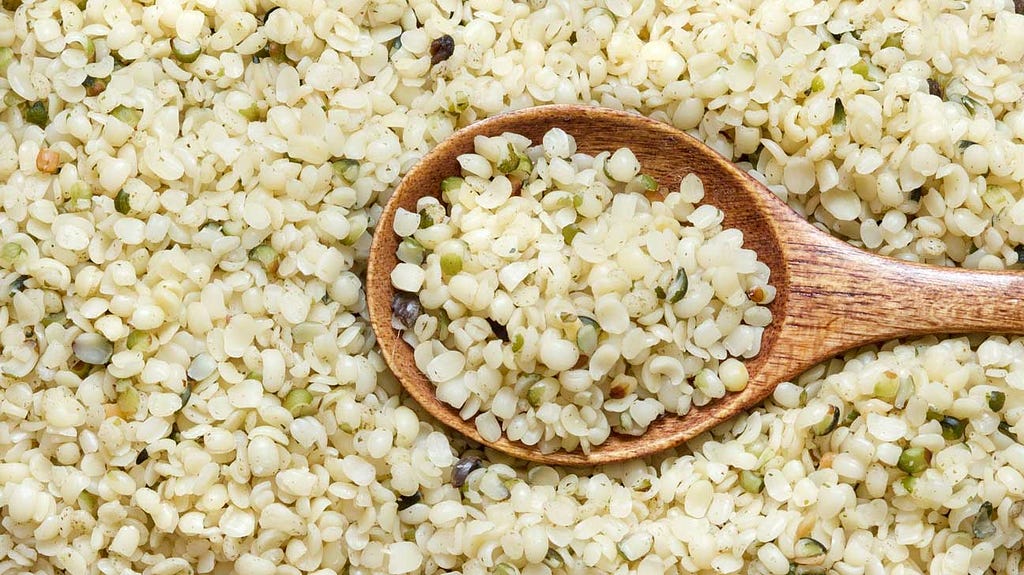
- Dried Fruits and Seeds: Raisins, dates, and dried apricots are calorie-dense and make convenient snacks or additions to cereal bowls. Additionally, sprinkling chia seeds or flaxseeds into smoothies, oatmeal, or yogurt delivers an extra punch of calories, fiber, and micronutrients.
Practical Strategies for Increasing Caloric Intake
Implementing dietary changes requires patience and consistency. Practical approaches recommended by health professionals, such as those outlined by the National Health Service, can make the process smoother for families:
- Frequent, Smaller Meals: Large portions can easily overwhelm an underweight or selective eater. Offering smaller, nutrient-dense meals and snacks spaced evenly throughout the day helps maintain a steady, manageable caloric intake without causing mealtime fatigue.
- Calorie-Dense Snacks: Keep healthy snacks readily accessible between meals. Options like cheese sticks, crackers with nut butter, or yogurt paired with granola help bridge the gap between main meals.
- Nutritious Smoothies and Shakes: Blending whole milk, full-fat yogurt, fresh fruits, nut butters, and seeds creates high-calorie beverages that are appealing and easy to consume for children who may not feel like eating solid food.
- Enhancing Everyday Meals: Boost the energy content of standard dishes by stirring healthy oils, butter, or grated cheese into soups, purees, and casseroles.
- Involving Children in Preparation: Encouraging children to participate in grocery shopping, meal planning, and simple kitchen tasks fosters curiosity and can significantly increase their willingness to try new foods.
Helping an underweight child gain weight successfully is a gradual process built on patience, positive reinforcement, and nutrient-dense choices. Caregivers should maintain open communication with pediatricians to monitor growth progress and tailor dietary strategies to each child’s unique needs.
Take the Guesswork Out of Your Child’s Growth
Tracking your child’s nutrition and weight gain doesn’t have to be stressful. With VitaBaby, you can easily log daily meals, track calorie intakes, monitor growth trends, and generate shareable reports for your pediatrician visits. Download the app today to turn feeding worries into clear, reassuring insights for your child’s growth journey.
Originally published on Medium.