vitababy
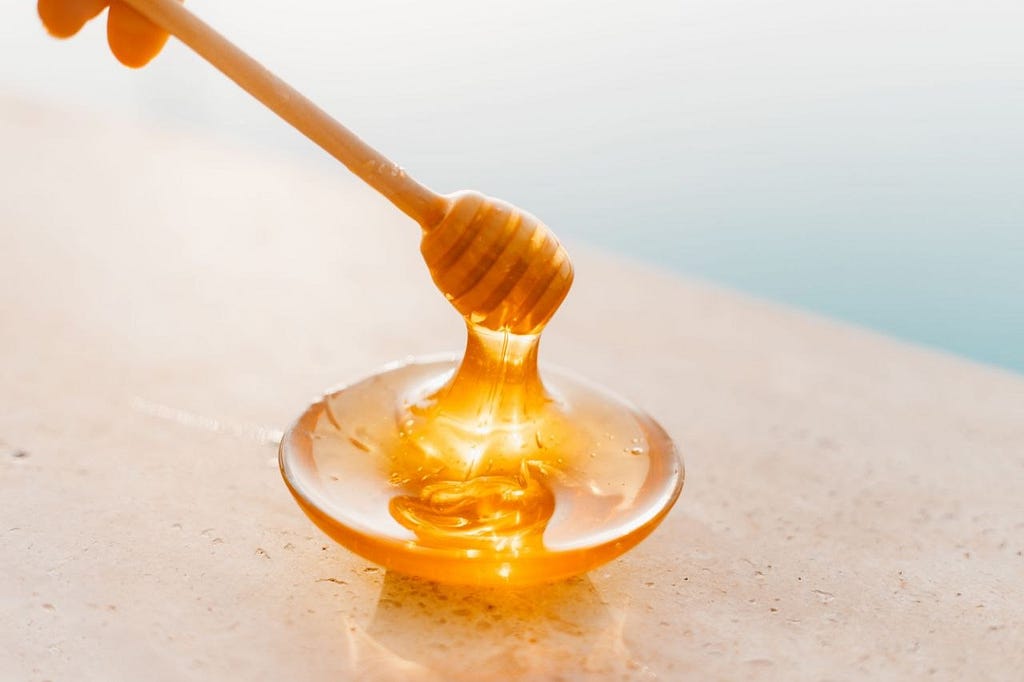

Honey may seem like a natural and healthier alternative to refined sugar, but did you know it can be dangerous for babies under 12 months? Even a tiny taste of honey can expose your little one to bacteria that cause infant botulism, a rare but serious illness affecting the nervous system. Whether added to oatmeal, yogurt, baked goods, or homemade baby food, honey should be completely avoided during your baby's first year. Here's why this sweet ingredient requires extra care.
When Can Babies Have Honey?
Babies should not consume honey before their first birthday. According to the Centers for Disease Control and Prevention (CDC), honey can cause a serious foodborne illness called infant botulism in children younger than 12 months.
After 12 months, a child's digestive system is generally more developed, making infant botulism from honey much less likely. However, honey is still an added sugar, so it's best to limit it. The CDC recommends avoiding added sugars for children younger than 2 years.
Why Is Honey Dangerous for Babies?
The main concern is a bacterium called Clostridium botulinum. Its spores can sometimes be found in honey. When swallowed by an infant, these spores can grow inside the immature digestive system and produce a toxin that affects the nervous system.
This condition is known as infant botulism. Although uncommon, it can become life-threatening without proper medical treatment.
Unlike many foodborne bacteria, these spores cannot be reliably eliminated through ordinary cooking or baking. This means adding honey to oatmeal, pancakes, cookies, or other baked foods does not make it safe for babies under 12 months.
What Foods Contain Honey?
Honey isn't always obvious in packaged foods or homemade recipes. Before offering food to your baby, check the ingredient list for:
- Honey-sweetened yogurt or cereals.
- Honey-containing bread and baked goods.
- Honey-based sauces and marinades.
- Honey-sweetened snacks and desserts.
- Honey mixed into tea, water, or other drinks.
Also, avoid honey-coated pacifiers or products designed to soothe babies with honey.
What Are the Signs of Infant Botulism?
Symptoms may develop within days or weeks after exposure. According to the CDC, parents should watch for:
- Constipation.
- Poor feeding or difficulty sucking.
- A weak or unusual cry.
- Loss of head control.
- Muscle weakness or a floppy appearance.
- Difficulty breathing.
If your baby develops any of these symptoms, seek immediate medical attention. Infant botulism requires prompt medical evaluation and treatment.
If your baby accidentally tastes honey, don't panic. A single exposure does not mean your baby will develop botulism. Stop offering honey and contact your pediatrician for advice. Watch for symptoms over the following weeks.
What Can You Use Instead of Honey?
If you're looking to add natural sweetness to your baby's meals, try age-appropriate alternatives such as:
- Mashed ripe banana.
- Unsweetened applesauce.
- Mashed ripe pear.
- Pureed dates in small amounts, without added sugar.
These ingredients can add flavor to oatmeal, pancakes, and homemade baby snacks without introducing honey. Remember to avoid added sugars during the first two years.
What Parents Should Remember
Honey may be a natural sweetener, but it isn't suitable for babies under 12 months because of the risk of infant botulism. Avoid honey in all forms, including cooked and baked foods, until your little one reaches their first birthday.
Want to make confident feeding choices as your baby grows? Explore the VitaBaby app for baby nutrition insights, age-appropriate food ideas, and helpful feeding guidance. Make every little bite a step toward a healthier food journey!
Discover more at VitaBaby.ai.
Originally published on Medium.