vitababy
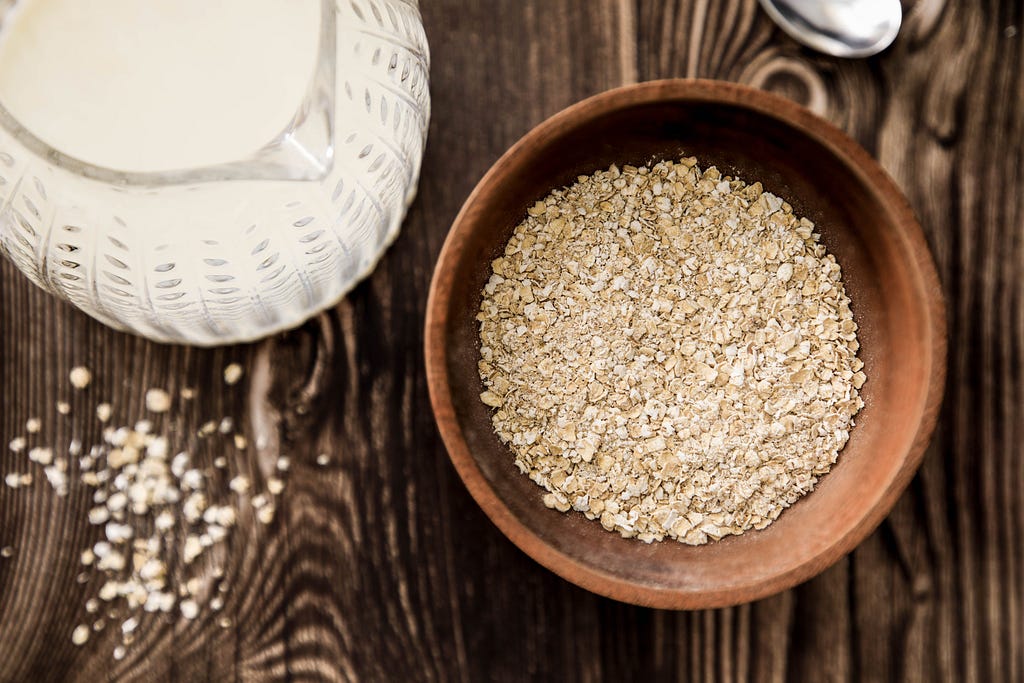

Starting solids is an exciting opportunity for your baby to explore new flavors and textures. If you’re practicing baby-led weaning (BLW), oatmeal is a versatile whole grain that can be served in more ways than a simple bowl of porridge. Rich in fiber and containing important minerals, oats can be turned into soft pancakes, oatmeal fingers, or easy-to-grasp bars that encourage little ones to explore food independently. Babies can generally start enjoying oats around 6 months, once they show signs of readiness for solid foods, as recommended by the World Health Organization (WHO).
Is Oatmeal Healthy for Babies?
Yes! Oats provide several nutrients that support a varied and balanced diet during infancy.
- Dietary fiber: Oats contain beta-glucan, a type of soluble fiber that supports normal digestive function.
- Energy: Their complex carbohydrates provide energy to support your baby’s growth and daily activities.
- Minerals: Oats contain magnesium, phosphorus, and manganese, which contribute to normal body functions and development.
While oats contain some iron, they are not a sufficient primary iron source for babies. Include iron-rich foods such as meat, eggs, beans, and iron-fortified infant cereals alongside whole grains.
How to Serve Oatmeal for Baby-Led Weaning
Oatmeal can be prepared in different textures depending on your baby’s developmental stage. Here are a few ideas:
- Oatmeal fingers: Combine oats, mashed banana, and egg, then bake into soft strips.
- Oat pancakes: Mix ground oats with egg and fruit for easy-to-hold mini pancakes.
- Thick oatmeal: Serve on a preloaded spoon so your baby can practice self-feeding.
For babies around 6 months, offer soft, appropriately sized pieces that are easy to grasp. As their eating skills develop, gradually introduce smaller pieces. Always adjust food textures to your baby’s abilities. See the CDC’s guide to introducing solid foods for additional guidance.
Easy Banana Oatmeal Fingers for Babies
These simple oatmeal fingers are naturally sweetened with banana and require just three main ingredients.
Suitable for: Babies around 6 months and older who are ready for finger foods.

Preparation: 5 minutes
Cooking: 15–20 minutes
Ingredients:
- ½ cup rolled oats
- 1 ripe banana
- 1 egg
- A pinch of cinnamon (optional
Instructions:
- Preheat the oven to 180°C (350°F).
- Mash the banana in a bowl until smooth.
- Add the egg and rolled oats, then mix until combined.
- Let the mixture rest for 5 minutes to soften the oats.
- Spread into a thin layer on a lined baking tray.
- Bake for 15–20 minutes until fully cooked but still soft.
- Cool completely and cut into long strips suitable for your baby’s grasp.
Serving tip: Make sure the oatmeal fingers are moist and soft enough to squash easily between your fingers. Avoid serving hard or crunchy pieces.
Is Oatmeal a Choking Hazard?
Oatmeal is generally easy to adapt for babies, but preparation matters. Avoid dry, uncooked oats and overly thick or sticky mixtures. Finger foods should be soft, moist, and appropriate for your baby’s eating skills. Always seat your baby upright and supervise meals closely. Learn more from the CDC’s choking prevention guidance.
Are Oats a Common Allergen?
Oats are not among the major food allergens, although reactions are possible. Some products may also be contaminated with gluten-containing grains during processing. Choose certified gluten-free oats if needed, and consult your pediatrician if your baby has a history of food allergies or severe eczema.
Oatmeal is an easy, versatile whole grain to introduce during your baby’s baby-led weaning journey. Whether served as soft fingers, pancakes, or thick porridge, oats offer opportunities to explore new textures while adding variety to everyday meals. Pair them with iron-rich foods and other nutritious ingredients to support a balanced complementary feeding diet.
Looking for more ways to make your baby’s meals nutritious and enjoyable? Visit VitaBaby.ai for helpful feeding guidance, nutrition insights, and ideas to support your little one’s food journey.
Originally published on Medium.