vitababy
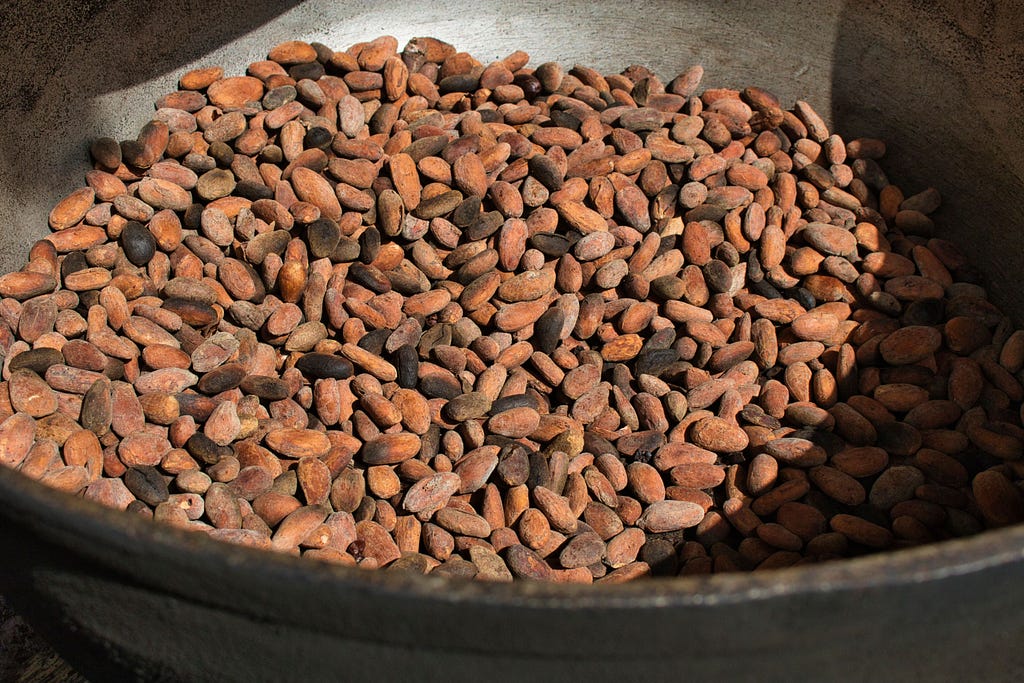

Chocolate may be a favorite treat for many adults, but is it suitable for babies? Cacao, the main ingredient in chocolate, comes from cacao beans and naturally contains caffeine and other compounds. While a small taste of a food containing cacao may not be a reason for concern, chocolate products often contain added sugar and other ingredients that aren’t ideal for babies. Here’s what parents should know about cacao, cocoa, and introducing chocolate during the early stages of solid feeding.
When Can Babies Have Cacao?
Babies can generally begin exploring a variety of solid foods around 6 months, once they show signs of readiness. The World Health Organization (WHO) recommends introducing complementary foods at around this age while continuing breast milk or formula feeding.
However, cacao is not a necessary food for babies. It contains naturally occurring caffeine, and there is no established safe caffeine limit for children under 2 years old. The CDC recommends avoiding caffeinated drinks in this age group. Although this guidance refers to beverages, parents may also choose to minimize caffeine-containing foods such as chocolate.
How to Serve Cacao to Babies
If you choose to introduce cacao, consider using a very small amount of unsweetened powder mixed into familiar foods.
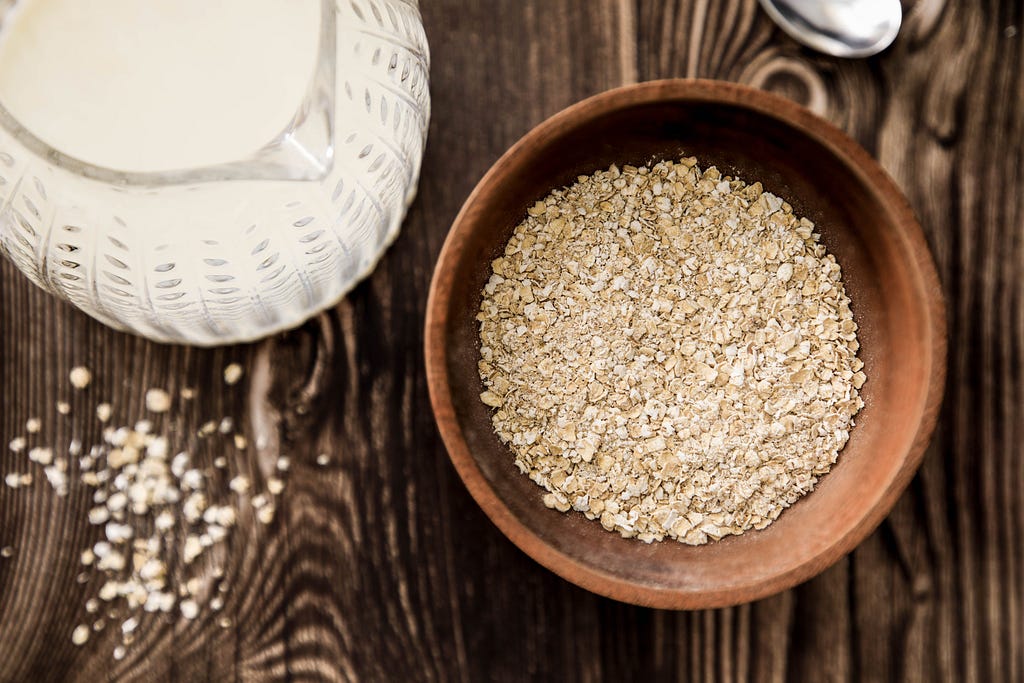
- 6 months and older: A small amount of unsweetened cacao powder can be mixed into soft oatmeal, mashed banana, or plain yogurt.
- 12 months and older: Cacao can occasionally be incorporated into homemade pancakes or other soft baked foods without added sugar
- Older toddlers: Continue offering cacao-containing foods in moderation, prioritizing nutrient-rich meals and snacks over chocolate treats.
Avoid offering whole cacao beans, hard cacao nibs, or chocolate candies to babies.

Is Cacao a Choking Hazard?
Cacao powder itself is not typically a choking hazard when mixed thoroughly into soft foods. However, whole cacao beans, hard cacao nibs, and solid chocolate pieces can be difficult for young children to chew and swallow.
Choose smooth, soft textures and always supervise your baby during meals. Follow the CDC’s choking prevention guidance when preparing age-appropriate foods.
Is Cacao a Common Allergen?
Cacao is not one of the major food allergens, although reactions to cocoa can occur. Chocolate products may also contain common allergens such as milk, soy, peanuts, tree nuts, and eggs.
Always check ingredient labels before introducing a new chocolate-containing food. If your baby has a history of food allergies or severe eczema, consult your pediatrician about introducing new ingredients.
What Is the Difference Between Cacao and Cocoa?
Although the terms are often used interchangeably, cacao and cocoa powders are generally processed differently.
Cacao powder is typically produced from fermented and dried cacao beans with limited heat processing, while conventional cocoa powder is usually made from roasted beans. Both provide a rich chocolate flavor and contain naturally occurring caffeine. Neither is necessary for meeting your baby’s nutritional needs.
What Parents Should Know
Cacao can introduce an interesting new flavor to homemade foods, but it doesn’t need to be part of your baby’s regular diet. If you choose to offer it, use small amounts of unsweetened powder, avoid hard chocolate products, and prioritize foods that provide essential nutrients without added sugar.
Want to make your baby’s feeding journey easier? Explore the VitaBaby app for helpful nutrition insights, food ideas, and feeding guidance designed to support your little one’s growth and development.
Discover more at VitaBaby.ai.
Originally published on Medium.