vitababy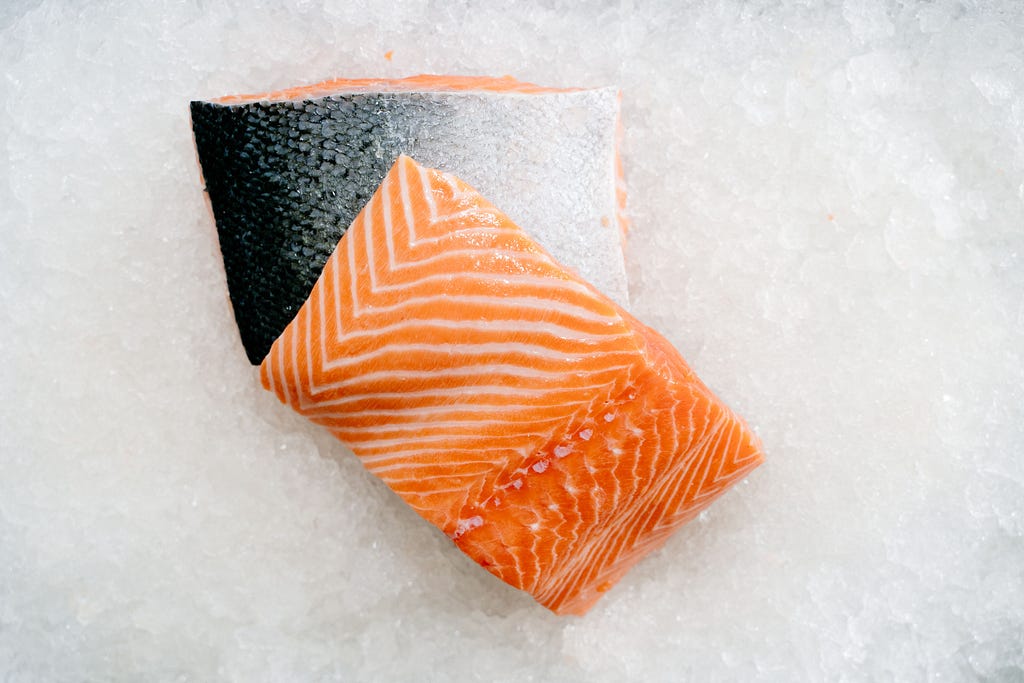

Fish can be a nutritious food for babies once they are ready for solid foods. It provides protein along with nutrients such as omega-3 fats, vitamin B12, vitamin D, selenium, and other minerals. Some fish are also good sources of DHA, an omega-3 fat that plays an important role in brain and eye development.
At the same time, fish needs a little more attention than some other first foods. Parents need to consider mercury levels, bones, cooking methods, texture, and possible allergic reactions.
The good news is that you do not need to avoid fish. Choosing lower-mercury fish and preparing them appropriately can make fish a useful part of a baby’s diet.
What Are the Benefits of Fish for Babies?
Fish is a nutrient-dense source of protein. Babies have small stomachs but high nutrient needs, so foods that provide several important nutrients can be useful as they begin eating solids.
One of the biggest benefits of fish is its omega-3 fatty acids, including DHA and EPA. Fish also provides protein, vitamin B12, vitamin D, selenium, and other nutrients. Depending on the type of fish, it can also provide iron and other minerals.
DHA is particularly important during early childhood because it is an important component of the brain and retina. This does not mean that eating fish will make a baby smarter, but fish can contribute important nutrients as part of an overall varied diet. You can find more information about the nutrients found in fish and their role in a healthy diet.
Fish can also help babies become familiar with different flavors and textures. Offering a variety of foods during complementary feeding can help children gradually become comfortable with different tastes and textures.
When Can Babies Start Eating Fish?
For most babies, solid foods can be introduced at around 6 months, when they show signs of developmental readiness. These include being able to sit with support, having good head and neck control, opening their mouth for food, and being able to swallow food rather than pushing it back out.
Fish can be introduced as part of this transition to solid foods. There is no need to wait until a baby is a toddler before offering it. Fish and other nutritious foods can be introduced around 6 months alongside breast milk or infant formula.
If your baby has severe eczema, an existing food allergy, or another condition that may affect how foods should be introduced, talk with your pediatrician about the best approach.
How to Introduce Fish Safely
Start with a small amount of thoroughly cooked fish. Choose a simple preparation without added salt, sugary sauces, or spicy seasonings.
The texture should match your baby’s eating skills. Younger babies may do better with fish that has been finely flaked and mixed into a soft puree, mashed vegetables, or infant cereal. As your baby develops better eating skills, you can offer soft, moist flakes or appropriately sized pieces.
1. Always Check Carefully for Bones
Fish bones are one of the biggest practical concerns when feeding fish to a baby. Even fish that appears boneless can occasionally contain small bones.
Before serving, carefully inspect the fish, separate it into small pieces, and run your fingers through it to check for bones. Do not rely only on the packaging label saying “boneless.”
2. Cook Fish Thoroughly
Babies and young children should eat fish that has been cooked thoroughly. Raw fish, including sushi and sashimi, should not be served to young children because of the risk of foodborne illness. Follow fish safety recommendations when preparing fish for your baby.
Avoid deep-fried fish as a regular baby food. Baking, steaming, poaching, or gently cooking fish are simple options that make it easier to control the ingredients and texture.
3. Watch for Allergic Reactions
Fish is one of the foods that can cause an allergic reaction. When introducing it for the first time, offering it at home when you can observe your baby can make it easier to notice any reaction.
Possible symptoms can include hives, swelling, vomiting, coughing, wheezing, or difficulty breathing. Breathing difficulties or other signs of a serious allergic reaction require immediate medical attention.
Which Fish Are Good Choices for Babies?
When choosing fish, mercury is an important consideration. Mercury occurs naturally in the environment and can build up in fish. Larger, longer-lived fish that eat other fish tend to accumulate more mercury.
Too much methylmercury exposure can affect the developing brain and nervous system, which is why choosing fish with lower mercury levels is important.
Good options include:
- Salmon
- Sardines
- Cod
- Pollock
- Tilapia
- Trout
- Haddock
- Catfish
- Atlantic mackerel
- Canned light tuna
These fish can provide valuable nutrients while generally having lower mercury levels.
Salmon is especially useful for babies because it becomes soft and easy to flake when cooked, while also providing omega-3 fats.
Which Fish Should Babies Avoid?
Some fish contain much higher mercury levels and should not be fed to children.
The current list of fish with the highest mercury levels includes:
- King mackerel
- Marlin
- Orange roughy
- Shark
- Swordfish
- Tilefish from the Gulf of Mexico
- Bigeye tuna
Mercury cannot be removed by washing or cooking the fish, so choosing the right type of fish is the important step.
This is also why variety matters. Instead of serving the same fish repeatedly, rotate different lower-mercury options.
What About Tuna?
Tuna can be confusing because different types have different mercury levels.
Canned light tuna, which includes skipjack, is considered a lower-mercury choice. Other types, such as albacore or white tuna, have higher mercury levels. Bigeye tuna is among the fish with the highest mercury levels.
If you regularly serve canned tuna, check the type on the label rather than treating all tuna as the same. The fish-specific recommendations can help you compare different options.
Making Fish Part of Your Baby’s Diet
Fish does not need to be a complicated baby food. A few simple combinations can work well:
- Flaked salmon with mashed sweet potato
- Soft cod with peas
- Salmon mixed with avocado
- Flaked trout with mashed potato
- Finely flaked fish mixed into vegetable puree
Keep the texture soft and appropriate for your baby’s developmental stage.
Fish is not a required food, and babies can get protein and other nutrients from many different foods. But when chosen carefully and prepared safely, fish can be a nutritious addition to a varied diet.
Originally published on Medium.