vitababy

Around six months of age, babies undergo significant developmental transitions as they begin exploring complementary solid foods alongside breast milk or infant formula. During this period, a infant’s natural iron stores, accumulated in the womb during pregnancy, begin to deplete. Iron becomes one of the most critical nutrients to prioritize in early feeding routines.
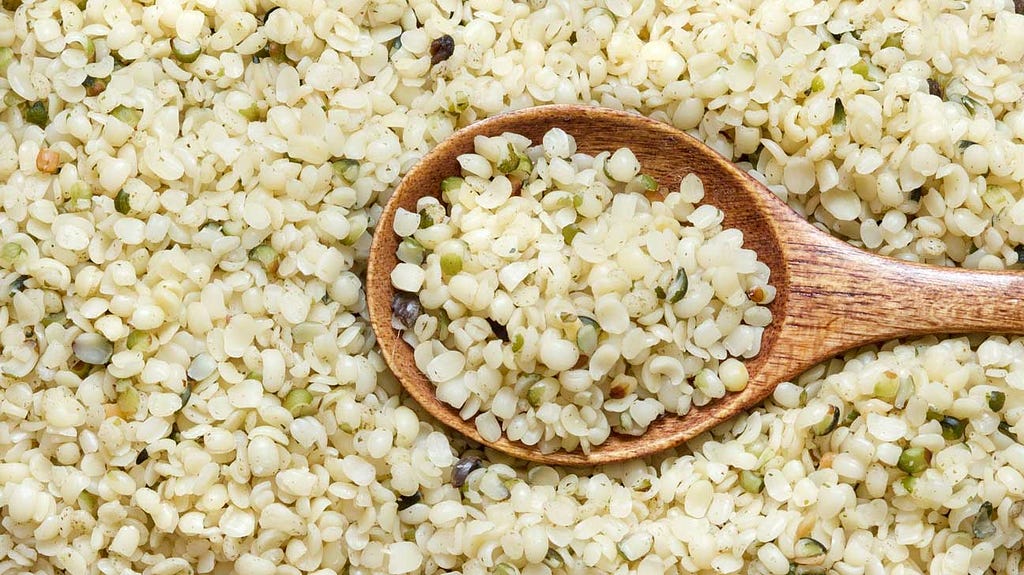
While meat, poultry, and iron-fortified cereals are traditional choices for boosting iron, many parents look for varied, nutrient-dense plant options to expand their baby’s diet. Hulled hemp seeds, commonly called hemp hearts, offer a soft, versatile, and nutrient-packed option. Hemp seeds can serve as a supportive source of non-heme iron, healthy fats, and essential minerals when prepared safely for infant consumption.
Why Iron Is Essential for Infant Growth
Iron is a vital mineral required for the production of hemoglobin, a protein in red blood cells that transports oxygen from the lungs to the rest of the body. In infants, adequate iron intake is necessary to support rapid brain growth, motor development, and neural processing.
Infants are born with iron stores that generally sustain them through the first four to six months of life. Between 6 and 12 months of age, an infant’s daily requirement for iron increases significantly to 11 milligrams of iron each day. Because breast milk contains a lower concentration of iron, though highly bioavailable, complementary foods must fulfill the majority of these daily requirements to prevent iron deficiency anemia.
Iron deficiency in early childhood can lead to fatigue, slower physical growth, and potential long-term cognitive and behavioral delays. Providing a consistent variety of iron-rich foods starting at six months helps maintain healthy blood iron levels during this period of growth.
Nutritional Profile of Hemp Seeds
Hemp seeds are derived from the Cannabis sativa plant, but culinary hemp hearts are processed to remove the hard outer shell, leaving behind a soft, nutty seed that is easy for infants to consume.
From a nutritional perspective, hulled hemp seeds provide an impressive array of essential nutrients in a small volume, making them well-suited for an infant’s limited stomach capacity. According to data from nutritional databases, hemp hearts contain approximately 7.95 milligrams of non-heme iron per 100 grams. A single tablespoon (roughly 10 grams) offers around 0.8 to 1.0 milligram of non-heme iron.
Beyond iron, hemp seeds provide:
- Alpha-linolenic acid (ALA): An essential omega-3 fatty acid that supports brain development and visual acuity.
- Complete plant protein: Hemp seeds contain all nine essential amino acids needed for tissue repair and cellular growth.
- Zinc and Magnesium: Essential minerals that support immune function, metabolic activity, and bone structural integrity.
- Dietary Fiber: Gentle bulk that supports digestive health and healthy bowel movements.
Maximizing Iron Absorption: Non-Heme Iron and Vitamin C
Dietary iron exists in two primary forms: heme iron (found in animal products like red meat, poultry, and fish) and non-heme iron (found in plant foods like seeds, legumes, grains, and dark leafy greens). Non-heme iron is naturally less easily absorbed by the human digestive tract than heme iron.
To maximize the nutritional value of hemp seeds, parents can pair them with foods rich in vitamin C (ascorbic acid). Vitamin C binds to non-heme iron in the digestive tract, transforming it into a chemical form that the infant’s intestines can absorb far more efficiently. Studies demonstrate the enhanced absorption of non-heme iron when plant foods are consumed alongside vitamin C sources during the same meal.
Practical ways to combine hemp seeds with vitamin C include:
- Stirring hemp hearts into pureed strawberries, raspberries, or kiwi.
- Mixing hemp hearts into mashed sweet potato, steamed broccoli puree, or bell pepper mashes.
- Sprinkling hemp hearts over papaya or orange segments prepared appropriately for baby-led weaning.
Conversely, avoid serving plant-based iron sources alongside calcium-fortified beverages or cow’s milk in high volumes, as excess calcium can temporarily compete with iron for absorption in the gut.
Safety, Allergies, and Preparation Rules
When introducing any new food to an infant, safety and proper preparation are top priorities.
Choking Considerations
Hulled hemp hearts are small and soft, which minimizes choking risks compared to whole, unhulled seeds or large whole nuts. However, serving dry, loose hemp seeds on their own can cause an infant to cough or gag if the small seeds scatter in the back of the throat. Always mix hemp hearts into moist, scoopable foods or use them to coat slippery foods.
Psychoactive Compounds and Quality
Parents are sometimes cautious about hemp because of its plant family. Culinary hemp seeds used for human food undergo rigorous testing and do not contain tetrahydrocannabinol (THC) or cannabidiol (CBD) in meaningful amounts. They are safe for infant consumption when purchased from reputable food distributors.
Allergen Status
Hemp seed is not classified among the top common food allergens (such as milk, eggs, peanuts, tree nuts, soy, wheat, fish, shellfish, and sesame). Nevertheless, any food can potentially trigger an allergic reaction. When introducing hemp seeds for the first time, offer a small quantity (such as a quarter-teaspoon) on its own or mixed into a familiar food, and observe your baby for any signs of sensitivity over the following 48 hours.
Practical Ways to Serve Hemp Seeds by Age
Hemp seeds adapt well to various textures and feeding styles, whether you practice traditional puree feeding, baby-led weaning, or a combination of both. Following age-appropriate serving methods helps ensure safe and enjoyable mealtime experiences.
6 to 9 Months
- Purees and Warm Porridges: Stir half a teaspoon to one teaspoon of hulled hemp hearts into warm oat cereal, squash puree, or pear sauce.
- Coating Slippery Foods: Roll slippery finger foods, such as avocado slices or ripe banana spears, in hemp seeds. The seeds stick to the fruit, giving your baby’s fingers a better grip while adding nutrition to each bite.
9 to 12 Months
- Thicker Mashes and Eggs: Mix hemp hearts into soft scrambled eggs, mashed lentils, or ricotta cheese.
- Baked Goods: Incorporate hemp seeds into homemade, unsweetened infant muffins, pancakes, or infant teething biscuits.
12 Months and Older
- Toddler Meals: Sprinkle hemp hearts directly onto oatmeal bowls, yogurt, pasta dishes, or blended fruit smoothies to maintain consistent plant-based iron and healthy fat intake.
Supporting Your Baby’s Daily Nutrition
Introducing solids is an ongoing process of discovery. Offering a wide range of nutrient-dense options, including meats, legumes, vegetables, fruits, and seeds like hemp hearts, helps establish healthy eating patterns over time.
If you are tracking your child’s dietary variety or looking for structured feeding recommendations, tools like Vitababy offer practical digital guidance to help monitor nutrient groups and developmental milestones alongside your regular pediatric care.
VitaBaby: Baby Weight, Feeding & Growth Tracker App
Originally published on Medium.