vitababy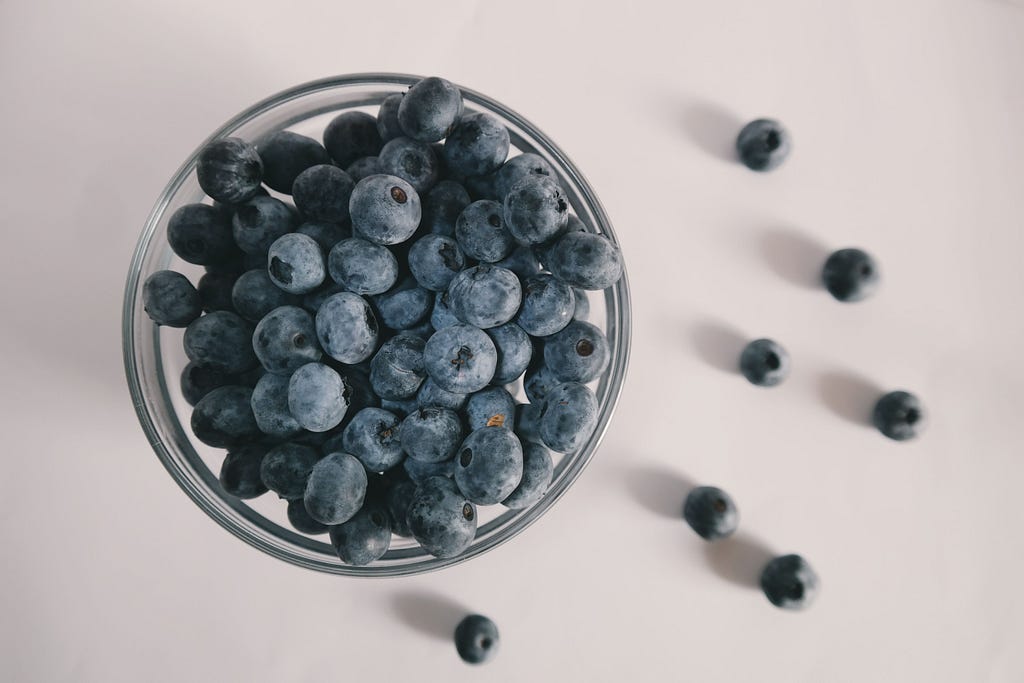

During the first six months of life, infants receive all of their nutrition from breast milk or infant formula. Neither breast milk nor formula contains significant amounts of dietary fiber. Human milk contains special complex carbohydrates called human milk oligosaccharides, which act as prebiotics to nourish healthy gut bacteria in young infants.
When a baby starts eating solid foods around six months of age, dietary fiber becomes an important part of their daily meals.
Introducing fiber-rich plant foods supports the maturation of an infant’s digestive system. It helps build a healthy gut microbiome, encourages regular bowel movements, and supports long-term eating habits. Understanding how dietary fiber works in a baby’s body allows parents to choose appropriate complementary foods and prevent common issues such as constipation.
Why Infants Need Dietary Fiber
Dietary fiber consists of plant-based carbohydrates that human digestive enzymes cannot break down. Because fiber is not absorbed in the small intestine, it moves into the large intestine largely intact.
According to guidelines from the Centers for Disease Control and Prevention (CDC), complementary feeding introduces infants to a wider variety of textures and nutrients. Within this framework, dietary fiber serves several vital physiological functions.
1. Regulation of Stool Consistency and Bowel Movements
When babies transition from an all-liquid diet to solid foods, their digestive system must adapt to processing complex plant structures. This shift often alters stool frequency and consistency.
Dietary fiber adds bulk to the stool and draws water into the colon. This process keeps bowel movements soft, making them easier to pass and reducing the risk of infant constipation.
2. Microbiome Development and Digestive Health
The human gut contains trillions of microorganisms that support immune function, nutrient absorption, and metabolism. Certain types of dietary fiber act as prebiotics, serving as food for beneficial bacteria such as Bifidobacteria and Lactobacilli.
As these bacteria digest fiber in the colon, they produce short-chain fatty acids like butyrate, acetate, and propionate. Research recognized by the American Academy of Pediatrics (AAP) notes that short-chain fatty acids help nourish the lining of the large intestine and support overall digestive health.
3. Satiety and Balanced Nutrient Absorption
Fiber slows down the rate at which food leaves the stomach and enters the small intestine. This gradual digestion helps promote a steady absorption of nutrients, supporting stable glucose levels.
It also helps infants recognize natural feelings of fullness. This allows babies to respond to their internal hunger and satiety cues as they learn to feed themselves.
4. Establishing Healthy Dietary Patterns
Early exposure to vegetables, fruits, whole grains, and legumes helps shape an infant’s taste preferences. The World Health Organization (WHO) emphasizes that introducing varied, nutrient-dense complementary foods during the weaning period encourages children to accept healthy plant foods later in childhood.
Soluble vs. Insoluble Fiber in the Infant Diet
Dietary fiber is divided into two primary categories based on how it interacts with water. Both types are beneficial, and most plant foods contain a combination of both.
Soluble Fiber
Soluble fiber dissolves in water to form a gel-like substance inside the digestive tract. It slows down digestion and helps regulate stool consistency.
- Primary Function: Absorbs water in the intestines, softens hard stools, and feeds beneficial gut microflora.
- Best Sources for Babies: Oats, barley, cooked apples without skin, ripe pears, avocados, carrots, and lentils.
Soluble fiber is particularly helpful when an infant experiences mild digestive changes or firmer stools during the transition to solid foods.
Insoluble Fiber
Insoluble fiber does not dissolve in water. It passes through the digestive tract largely unchanged, adding physical structure and volume to waste material.
- Primary Function: Moves material through the digestive system and increases stool bulk to encourage regular bowel elimination.
- Best Sources for Babies: Whole wheat, brown rice, quinoa, green leafy vegetables, broccoli, squash, and soft fruit skins.
A balance of both soluble and insoluble fiber ensures that an infant’s stool remains soft, bulked, and easy to pass.
How Much Fiber Do Infants and Toddlers Need?
Major public health institutions, including the National Health Service (NHS), do not set a strict numerical daily fiber target for babies between 6 and 12 months of age. During the first year of solids, complementary foods supplement breast milk or formula rather than replacing milk feedings entirely.
Recommendations for Infants (6 to 12 Months)
For infants under one year old, pediatric healthcare providers focus on variety rather than counting grams of fiber. Offering a diverse selection of fruits, vegetables, whole grains, and legumes provides appropriate amounts of fiber naturally.
By 9 to 12 months, as solid food intake increases, most infants consume roughly 5 to 8 grams of fiber per day through a normal, varied diet.
Recommendations for Toddlers (12 to 24 Months)
Once a child reaches one year of age, formal dietary reference intakes established by the Institute of Medicine apply:
- Toddlers aged 1 to 3 years need approximately 19 grams of dietary fiber daily.
- Pediatric clinicians often use a practical guide known as the “Age + 5” rule as a baseline. For a 1-year-old child, adding 5 to their age suggests a minimum target of 6 grams of fiber daily, gradually increasing toward 19 grams as total food intake grows.
Tracking daily nutrient intake can feel complex for parents. Utilizing growth and nutrition tracking platforms such as Vitababy can assist parents in monitoring feeding habits, recording growth milestones, and ensuring that complementary foods provide balanced nutrition.

Top Fiber-Rich Foods for Infants (6 to 24 Months)
When choosing fiber-rich foods for a baby, select options that are soft, easily mashed or puréed, and gentle on the stomach.
1. Fruits
Fruits provide soluble fiber, hydration, and essential vitamins.
- Pears: One small ripe pear provides approximately 4 grams of fiber. Pears contain sorbitol, a naturally occurring sugar alcohol that draws water into the stool to support regular bowel movements.
- Apples (Cooked): Steamed or baked apple purée without skin offers about 2 to 3 grams of fiber per half cup, primarily in the form of pectin, a gentle soluble fiber.
- Avocados: Half a mashed avocado provides roughly 5 grams of fiber along with healthy monounsaturated fats essential for early brain development.
- Prunes and Plums: Steamed plum purée or diluted prune purée provides soluble fiber and sorbitol, making it a reliable option for relieving firm stools.
- Berries: Raspberries and blackberries contain significant amounts of fiber. When serving berries to young infants, mash them thoroughly or strain seeds to match the baby’s chewing skills.
2. Vegetables
Vegetables offer a mix of soluble and insoluble fiber along with key minerals like potassium and folate.
- Sweet Potatoes: One half cup of cooked, mashed sweet potato contains about 3 grams of fiber.
- Green Peas: Cooked and mashed green peas provide about 4 grams of fiber per half cup, making them one of the most fiber-dense early vegetables.
- Broccoli: Steamed broccoli florets or purée offer roughly 2.5 grams of fiber per half cup, alongside vitamin C and folate.
- Carrots: Steamed and puréed carrots provide about 2 grams of fiber per half cup.
- Winter Squash: Cooked butternut or acorn squash provides a smooth texture with roughly 3 grams of fiber per half cup.
3. Legumes and Pulses
Legumes are excellent sources of dietary fiber and plant-based protein.
- Lentils (Red or Brown): Soft cooked red or brown lentils provide nearly 8 grams of fiber per half cup. Red lentils break down easily into a soft texture ideal for early solid feeding.
- Black Beans and Chickpeas: Mashed black beans or low-sodium hummus deliver approximately 6 to 7 grams of fiber per half cup.
4. Whole Grains
Whole grains retain the bran layer, which contains most of the grain’s fiber content.
- Rolled Oats: Half a cup of cooked oatmeal provides about 2 to 3 grams of soluble fiber (beta-glucan).
- Barley: Soft cooked barley porridge provides approximately 3 grams of fiber per half cup.
- Quinoa: Cooked quinoa offers about 2.5 grams of fiber per half cup, along with plant protein.
Introducing Fiber-Rich Foods Safely
While fiber is an essential nutrient, offering high-fiber foods too quickly or in inappropriate textures can cause digestive discomfort or choking hazards.
Texture and Choking Prevention
Safety is the priority when serving solid foods to babies.
- Purées and Mashes (6 to 8 months): Ensure fruits, vegetables, and legumes are steamed until completely soft and mashed thoroughly.
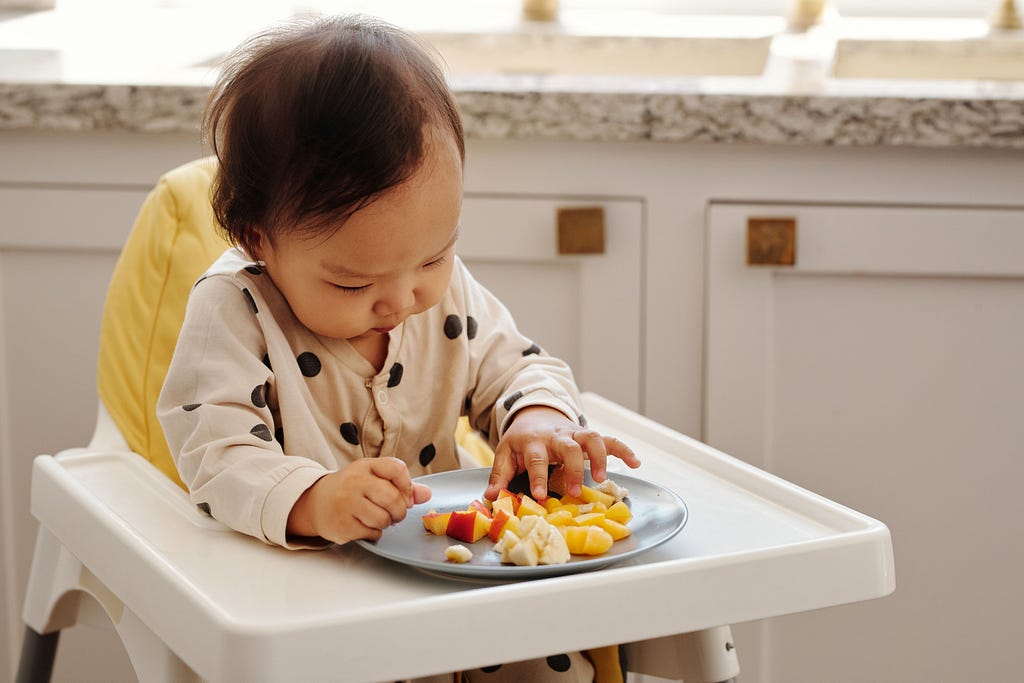
- Finger Foods (8 to 12 months): Offer soft, cooked pieces that can be easily flattened between two fingers. Cut round items like peas, grapes, or blueberries into smaller halves or quarters.
- Removing Tough Skins: Peel tough skins from apples, pears, and tomatoes during early infant feeding stages. Avoid serving raw, hard root vegetables or whole nuts and seeds.
Preventing Gas and Digestive Discomfort
An infant’s digestive system requires time to adjust to fiber. Introducing large amounts of fiber rapidly can lead to intestinal gas, bloating, and mild cramping.
To prevent digestive discomfort:
- Increase portions gradually: Introduce one high-fiber food at a time, starting with small portions of 1 to 2 tablespoons.
- Space out new foods: Wait two to three days before introducing another new high-fiber item.
- Observe stool changes: Monitor stool consistency to ensure your infant tolerates the added fiber well.
Balancing Fiber and Hydration to Prevent Constipation
Fiber relies on fluids to work effectively in the digestive tract. Soluble fiber absorbs water to form a soft gel, while insoluble fiber uses water to move stool smoothly through the colon.
If an infant consumes a high amount of fiber without adequate fluid intake, the fiber can absorb available intestinal water, leading to dry stools and worsening constipation.
Hydration Guidelines During Weaning
- 6 to 12 Months: Breast milk or infant formula remains the primary fluid source. Small sips of water (about 4 to 8 ounces or 120 to 240 mL per day) served in an open cup or straw cup during meal times are recommended once solid foods begin.
- 12 to 24 Months: Toddlers should drink approximately 1 to 4 cups of water daily, along with plain milk or fortified plant beverages based on weaning status.
If an infant experiences firm stools, offer high-soluble-fiber foods with high water content, such as pears, prunes, and peaches, while maintaining regular milk feedings and water sips.
Originally published on Medium.