vitababy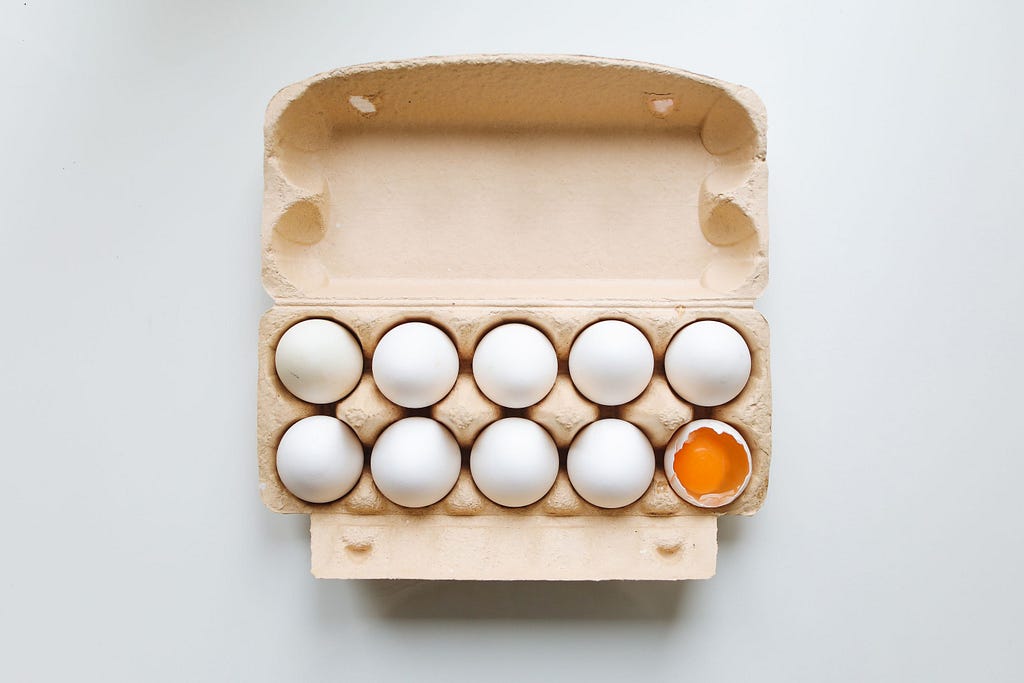
When planning meals for a baby starting solid foods, parents often focus on familiar nutrients like iron and calcium. Choline is a nutrient that receives less attention but plays a fundamental role in infant growth. Research shows that choline is essential for early brain development, memory function, and cellular health. This guide explains how choline supports your baby and how to incorporate it safely into their diet.
Understanding the Role of Choline
Choline is an essential nutrient. This means the human body needs it to function but cannot produce enough of it independently. The majority of the choline your baby needs must come from their diet. During infancy, a child’s brain grows at a rapid pace. Choline supports this structural and functional growth in several specific ways.
First, choline is a primary building block for cell membranes. It helps form the structural integrity of cells throughout the body, including the rapidly multiplying cells in the brain. Second, it is vital for producing acetylcholine. Acetylcholine is a neurotransmitter responsible for regulating memory, mood, and learning processes.
According to peer-reviewed medical research, a high intake of choline during early development influences brain structure and lifelong memory capacity. Providing adequate choline during the first few years of life creates a solid foundation for cognitive function as the child grows.
How Choline Supports Cognitive Development
The first thousand days of a child’s life represent a critical window for neurodevelopment. During this time, the brain requires specific nutrients to build complex neural networks. Choline is heavily involved in this process. It supports the development of the hippocampus, which is the memory center of the brain.
Clinical literature on choline in infant development indicates that sufficient choline intake during infancy is linked to better processing speeds and improved memory retention later in childhood. When babies do not receive enough choline, it can subtly affect these cognitive pathways.
Daily Choline Requirements for Babies
Breast milk naturally contains choline. The specific amount in breast milk varies based on the mother’s dietary intake. Infant formulas are also fortified with choline to meet regulatory health standards. As babies transition to solid foods around six months of age, parents need to offer complementary foods that contain this nutrient.
The general recommendation for infants is 125 milligrams of choline per day from birth to six months. From seven to twelve months of age, the requirement increases to 150 milligrams per day. Toddlers between one and three years old need about 200 milligrams daily.
Top Choline Rich Foods for Infants
Including choline in your baby’s diet is straightforward once you know which whole foods contain it. Animal products are generally the most concentrated sources, but plant based options are also available.
- Eggs: The yolk of an egg is one of the most concentrated sources of choline available. One large egg contains roughly 147 milligrams of choline.
- Meat and Poultry: Beef, chicken, and turkey provide significant amounts of choline. Beef liver is particularly high in this nutrient, though standard ground beef is also a reliable source.
- Fish: Salmon and cod contain choline along with omega-3 fatty acids, which also support neurological health.
- Dairy: Plain yogurt and cheese offer moderate amounts of choline. Wait until your baby is twelve months old before offering whole cow’s milk as a primary drink.
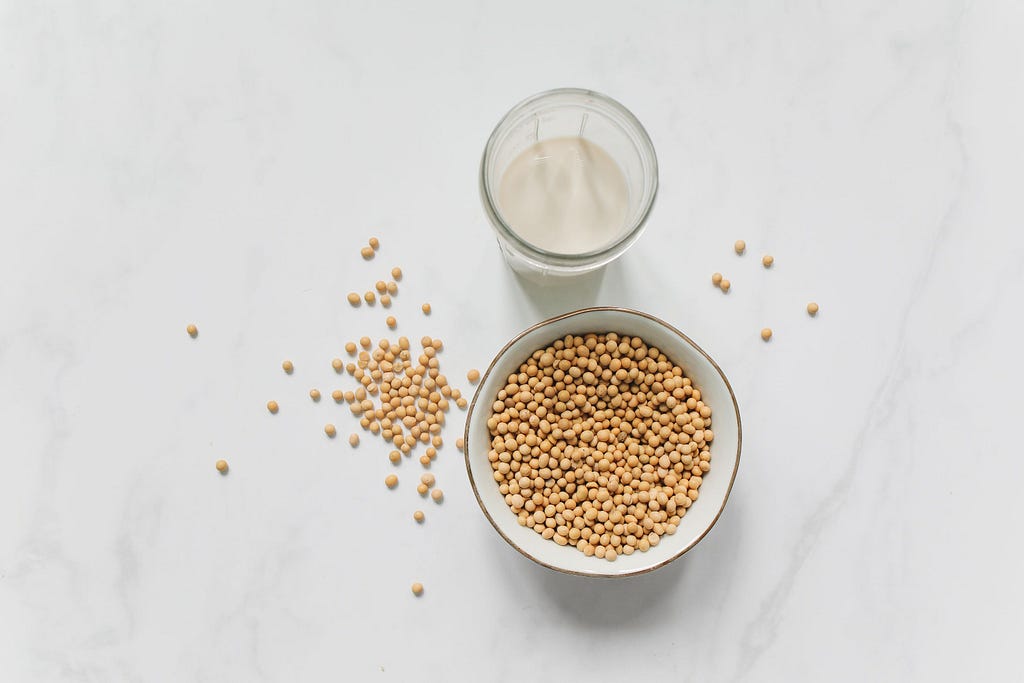
- Beans and Legumes: Soybeans, kidney beans, and lentils are excellent plant based sources of choline.
- Cruciferous Vegetables: Broccoli, Brussels sprouts, and cauliflower provide smaller amounts of choline but are highly nutritious additions to balanced baby meals.
Practical Ways to Add Choline to Your Baby’s Meals
Preparing these foods safely is the top priority. Always modify the texture to suit your baby’s feeding stage to prevent choking.
For eggs, you can hard-boil them and mash the yolk with a small amount of breast milk or formula. As your baby develops a pincer grasp, you can offer small pieces of thoroughly cooked scrambled egg.
When offering meat, ensure it is cooked entirely and pureed or shredded finely. Slow cooking beef or chicken makes it tender enough for babies to manage safely.
Vegetables like broccoli should be steamed until they are very soft. You can serve them as purees or cut them into appropriate sizes if you are following a baby-led weaning approach.
Lentils and beans can be cooked until soft and mashed lightly before serving.
Nutritional Support Considerations
Most infants can meet their choline needs through breast milk, infant formula, and a balanced diet of solid foods. If you have concerns about your child’s dietary intake, especially if they follow a strict vegan diet or have severe food allergies, consulting a pediatrician or registered dietitian is advised.
For parents looking for comprehensive nutritional support as their child grows, resources like Vitababy offer evidence-based guidance and nutritional options tailored to early development. Always discuss any supplements or major dietary changes with your healthcare provider.
Originally published on Medium.