vitababy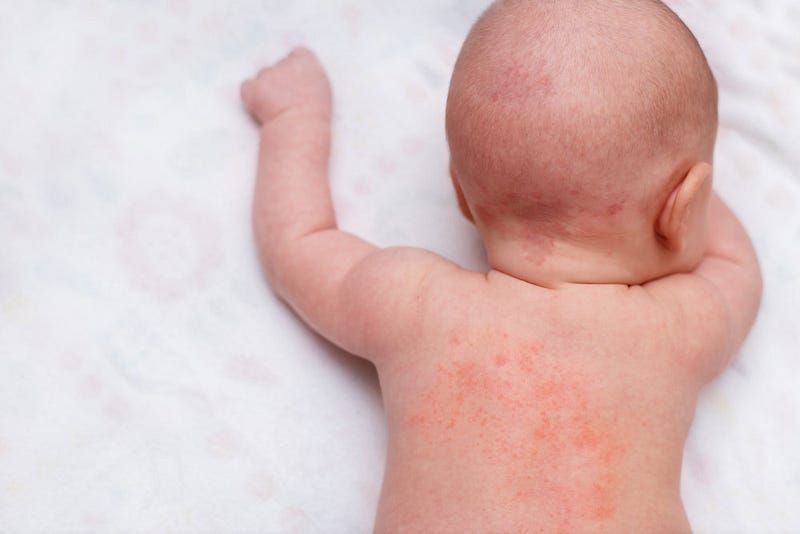
When you start introducing solid foods, your baby might occasionally react poorly to a new meal. It is very common for parents to confuse a food allergy with a food intolerance.
While the symptoms can sometimes look similar, an allergy and an intolerance are two distinct medical issues. Understanding the difference will help you know exactly how to respond and when to contact a pediatrician.
Food Allergy: An Immune System Reaction
A food allergy occurs when your baby’s immune system mistakes a normal food protein for a harmful threat. The body responds by releasing chemicals to fight off the food.
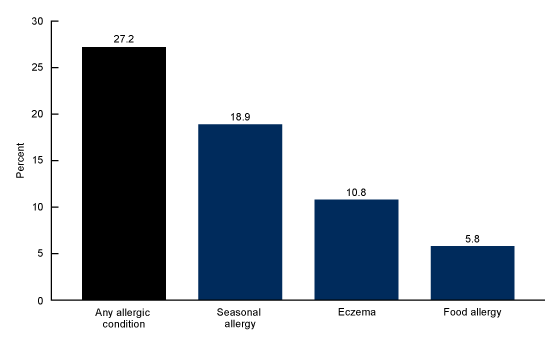
Allergies are a serious health issue. According to the Centers for Disease Control and Prevention (CDC), allergic conditions are very common. In 2021, 27.2% of children had one or more selected allergic conditions. About 1 in 5 children had a seasonal allergy (18.9%), 1 in 10 had eczema (10.8%), and 1 in 20 had a food allergy (5.8%). The American Academy of Pediatrics notes the food allergy rate may be as high as 8%.
What to Look For
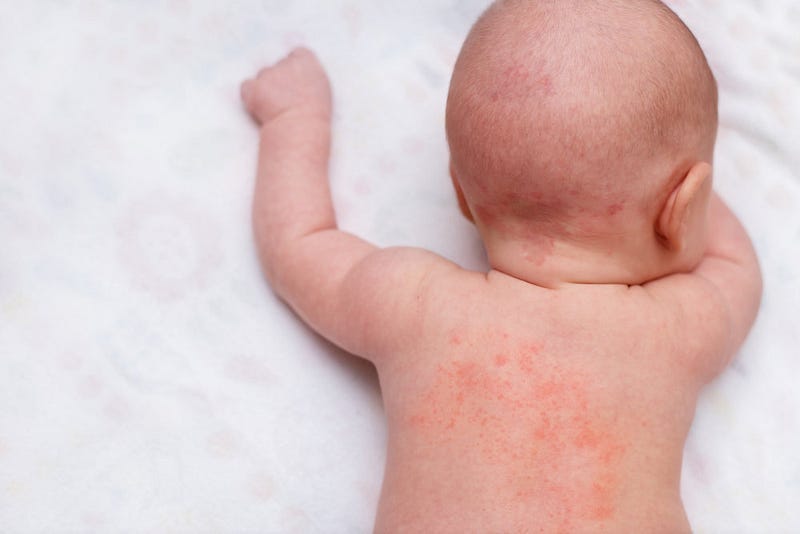
Because an allergy involves the immune system, it can affect the skin, breathing, and stomach all at once. Watch for these sudden signs:
- Raised, itchy, red welts on the skin (hives)
- Swelling around the lips, eyes, or tongue
- Coughing, wheezing, or struggling to breathe
- Sudden and repetitive vomiting
- Pale skin or suddenly becoming very floppy or sleepy
A severe allergic reaction is called anaphylaxis. This is a medical emergency. If your baby has trouble breathing or sudden swelling, seek emergency medical help immediately.
Food Intolerance: A Digestion Problem
A food intolerance does not involve the immune system. It happens when your baby’s digestive tract cannot properly break down a specific food.
Because this is strictly a digestive issue, a food intolerance is not life-threatening. The reaction time is also much slower. It can take many hours or even a few days for the signs to show up after a meal.
What to Look For
The signs of a food intolerance are usually limited to your baby’s stomach and bowel habits. You might notice:
- Unusual amounts of gas and a bloated, tight stomach
- Loose, watery stools or diarrhea
- Signs of stomach pain, such as pulling the legs up to the chest
- Fussiness and crying that starts a few hours after a feed
The Cow’s Milk Issue
Cow’s milk is the most common source of confusion for parents. Many assume a very gassy baby is lactose intolerant.
True lactose intolerance in babies is extremely rare. Human breast milk is packed with lactose, and healthy babies are born ready to digest it. If your baby reacts poorly to dairy products or infant formula, they likely have a cow’s milk protein allergy (CMPA).
CMPA affects up to 3% of infants. Their immune system is fighting the milk proteins, not the milk sugars. You should speak with a pediatrician for a proper diagnosis before switching formulas.
How to Safely Introduce New Foods
When you begin offering solid foods, medical professionals recommend a steady, cautious approach to help you monitor for both allergies and intolerances.
Introduce one new highly allergenic food at a time. Common allergens include eggs, peanuts, tree nuts, and soy. Offer the new food alongside foods your baby already tolerates, and wait three to five days before introducing another major allergen. This window gives you enough time to easily identify the specific food causing an issue if your baby has a reaction. Read more :
Starting Solids When Your Baby Has a Diagnosed Food Allergy
When to See a Pediatric Allergist
If you suspect your baby has a true food allergy, your pediatrician will likely refer you to a pediatric allergist.
An allergist can perform specialized testing, such as skin prick tests or specific blood tests, to accurately identify the allergy. Do not attempt to diagnose a food allergy at home using online testing kits or unverified methods, as these often provide unreliable results and can lead to unnecessary dietary restrictions.
Next Steps for Parents
If your baby shows signs of a severe allergic reaction, do not wait. Get emergency medical help.
If you notice mild, ongoing symptoms like daily gas, loose stools, or mild rashes, follow these steps:
- Write it down: Keep a simple daily log of what your baby eats and when they seem uncomfortable. Share this log with your pediatrician.
- Seek professional advice: Do not cut out major food groups on your own. Restricting your baby’s diet without medical guidance can impact their growth and nutrient intake.
- Keep introducing foods: For most healthy babies, experts recommend introducing common allergens like egg and peanut early. This practice can actually help prevent allergies from forming.
If your pediatrician diagnoses an allergy or intolerance, you will need to adjust your child’s diet.
Originally published on Medium.