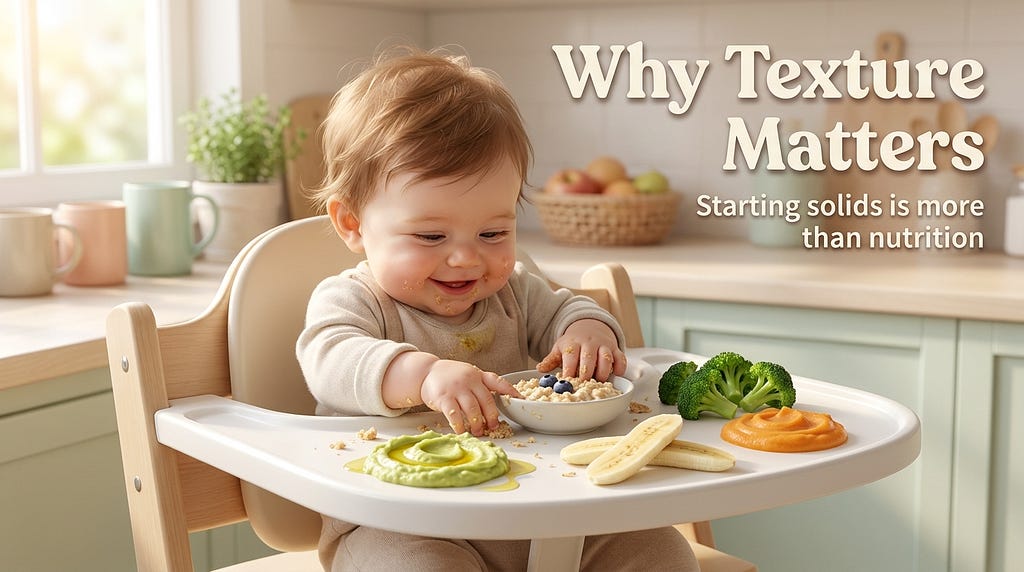
Learn why the “perfect” look of store-bought baby food might be hiding a more complex industrial story.

The “Puree” Paradox: Why Aesthetic Perfection Signals Processing
Visible cues often dictate parental trust. A vibrant orange carrot puree or a deep purple blueberry mash suggests farm-fresh quality. However, a 2026 report reveals that nearly three-quarters of U.S. baby foods are classified as ultra-processed. Aesthetic perfection — textures that never separate and colors that remain bright for months — often indicates the presence of industrial stabilizers rather than superior produce.
While labels focus on ingredients, the industrial journey from farm to pouch remains hidden. Concerns have shifted from simple ingredient lists to the mechanical reality of food production. The critical question remains: What happens to food integrity when subjected to high-heat, industrial-scale manufacturing?
Mechanical Expertise: The Science of Leaching and PTFE
Industrial baby food production relies on high-heat machinery and plastic-lined storage tanks. According to research on microplastics in baby products, heat acts as a primary catalyst, causing microscopic particles to shed from equipment into the food.
A significant concern involves Polytetrafluoroethylene (PTFE), a synthetic fluoropolymer used for non-stick gaskets and seals. As detailed in the review on PTFE microplastic properties, these polymers possess high chemical stability but can degrade under high pressure. This degradation releases PTFE microplastics directly into the food supply. Because an infant’s system is highly sensitive, this invisible contamination represents a risk that escapes standard nutritional labels.
Authoritative Findings: The Maternal and Fetal Impact
Modern research now examines the “Total Toxic Load” created by industrial packaging. As highlighted by EnvyNature, the internal linings of food pouches are often multi-layered plastics that facilitate the migration of microplastics during high-heat sterilization.
Furthermore, a 2026 study in Springer demonstrates that micro- and nanoplastics (MNPs) can cross the placental barrier, affecting maternal and fetal health before the first bite of solid food occurs. The analysis of PTFE pollution warns that these particles are “bio-accumulative,” persisting in the body far longer than natural substances. In the absence of mandatory testing for microplastics, infant food remains in a “regulatory vacuum.”
rustworthiness: How VitaLedger Replaces Blind Trust with Data
VitaLedger operates on the principle that radical transparency is the only antidote to the “Trust Gap.” Guesswork regarding factory safety or MNP exposure is replaced by immutable data.
- Verified Material Sourcing: The Cardano-powered blockchain logs factory safety audits and equipment certifications. Claims of “Low-Heat” or “PTFE-Free” manufacturing are locked in a digital ledger, preventing the alteration of safety records.
- AI-Powered Detection: AI tools scan production data for temperature spikes or mechanical stress — indicators of potential microplastic leaching.
- Comprehensive Lifecycle Tracking: The tracking extends beyond the vegetable to the container. A permanent “rekam jejak” (track record) ensures that the organic integrity of the crop isn’t compromised by the machinery used during the packaging phase.
Navigating Feeding Challenges: Practical Exposure Reduction
While industry standards undergo reform, specific actions help reduce PTFE and plastic exposure during the critical first 1,000 days:
- Prioritize Inert Packaging: Glass jars prevent the chemical migration associated with microplastics.
- Eliminate Pouch Heating: Transferring food to ceramic or glass before warming prevents the MNP release triggered by plastic contact with heat.
- Opt for Fresh-Mashed Foods: Increasing the use of fresh produce reduces the frequency of contact with PTFE-coated industrial machinery.
- Support Verifiable Brands: Utilizing transparency platforms allows for the selection of brands with proven records of safety.
The Bottom Line: Evidence as the Standard for Safety
The objective is to shift the market from “Blind Trust” to Evidence-Based Peace of Mind. The emerging science on PTFE toxicity and micro- and nanoplastic impact serves as a call for higher manufacturing standards.
The Vitababy platform functions as a digital safeguard, providing the data necessary to confirm that a product is as safe as the label claims. When mealtimes are backed by the “Digital Ledger of Truth,” the focus returns to nutrition and healthy development.
Originally published on Medium.