Explore easy baby-led weaning recipes and meal ideas. Learn how to introduce safe, nutritious finger foods your baby can enjoy independently.
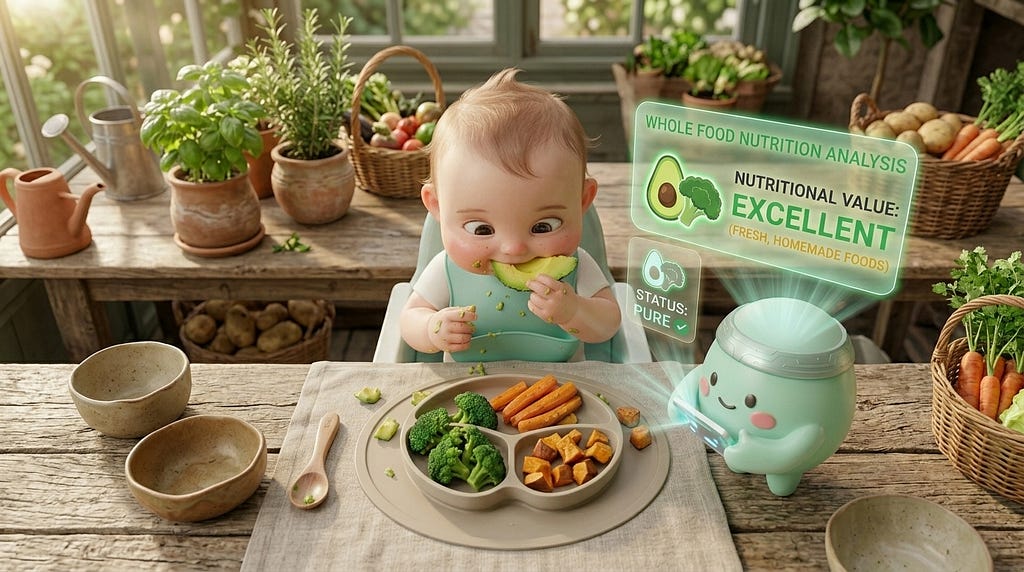
Not Sure What to Feed Your Baby? Start Here
Starting solids can feel confusing. What should you cook? How soft should it be? And what’s actually safe?
Here’s the good news. Baby meals don’t need to be complicated.
Simple, home-cooked foods are often the best choice. They’re easier to prepare, easier to control, and help your baby get used to real flavors early on. Guidance from NHS (National Health Service) also supports keeping meals simple, varied, and age-appropriate texture..
What Is Baby-Led Weaning (And Why Parents Love It)
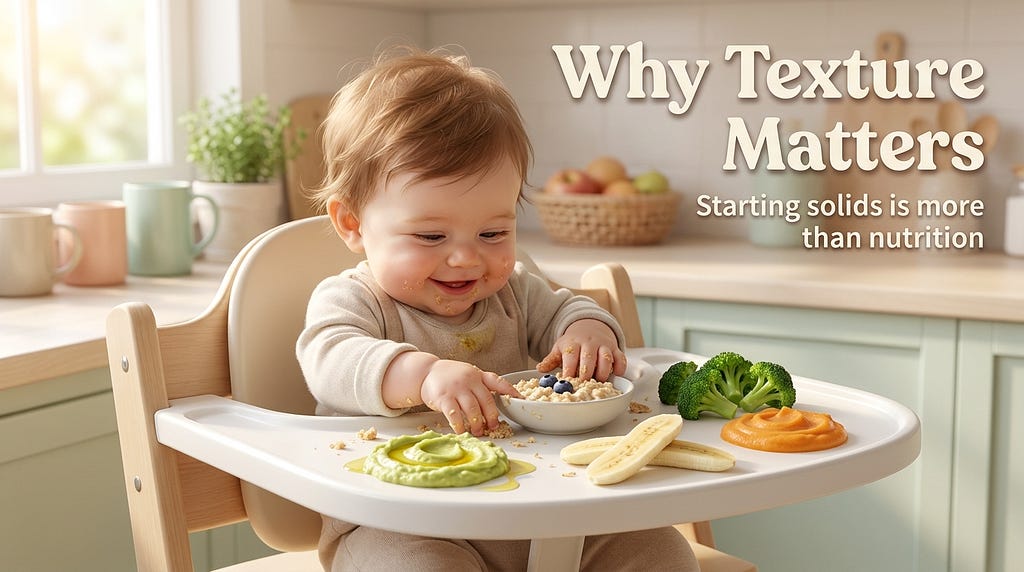
Baby-led weaning means letting your baby feed themselves from the start. Instead of spoon-feeding purees, you offer soft foods your baby can pick up and explore.
It usually starts around 6 months, when babies can sit upright and bring food to their mouth, as explained by the Ohio Chapter of the American Academy of Pediatrics.
Why many parents prefer it:
- It builds independence
- It improves coordination
- It lets babies follow their own hunger cues
It also makes mealtimes more practical, since babies can eat modified versions of the same foods as the rest of the family
https://medium.com/media/e44517285c73be7af3b24a495cb2b2e8/hrefWhat Does a Simple Baby Meal Look Like?
Not sure how to build a meal? A balanced baby meal includes a mix of essential food groups, adapted for texture and portion size.
A simple plate should include:
- Vegetables or fruit for vitamins and fiber
- Starchy foods like rice, pasta, or potatoes for energy
- Protein sources such as eggs, fish, beans, or meat
The National Health Service recommends introducing a wide range of foods early to support long-term eating habits.
Simple Baby Meal Ideas (Baby-Led Friendly)
You do not need separate recipes. Many everyday meals can be adapted.
Breakfast
- Porridge with soft fruit
- Toast with mashed avocado
- Scrambled egg with soft pieces
Lunch
- Pasta with vegetables
- Scrambled egg with toast and soft vegetables
- Yoghurt with fruit
Dinner
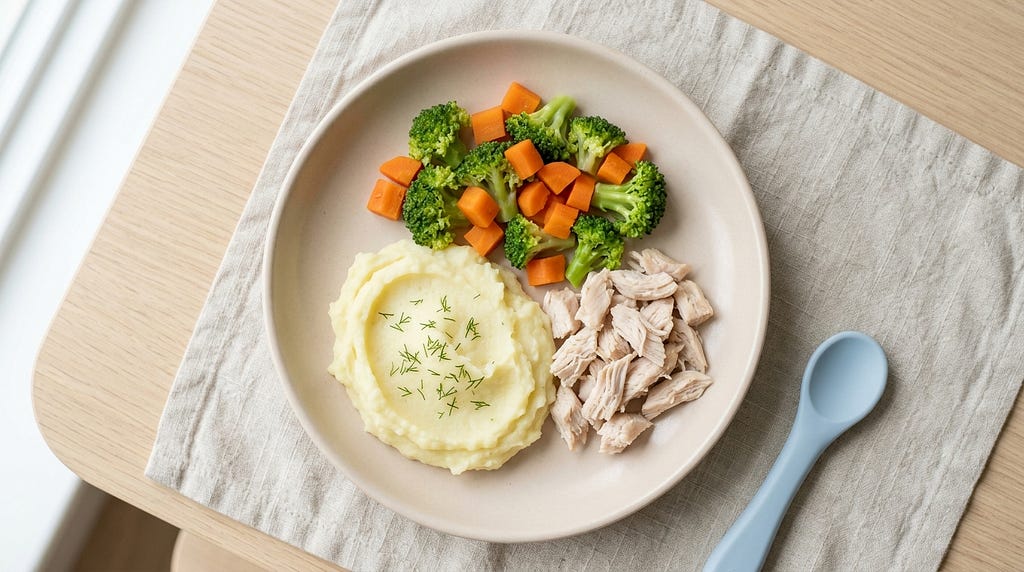
- Soft cooked vegetables with shredded chicken
- Fish with potato and broccoli
- Rice with beans and vegetables
Meals should be soft, easy to hold, and simple to chew.
Best First Finger Foods
Finger foods help babies learn independence and build confidence.
Start with:
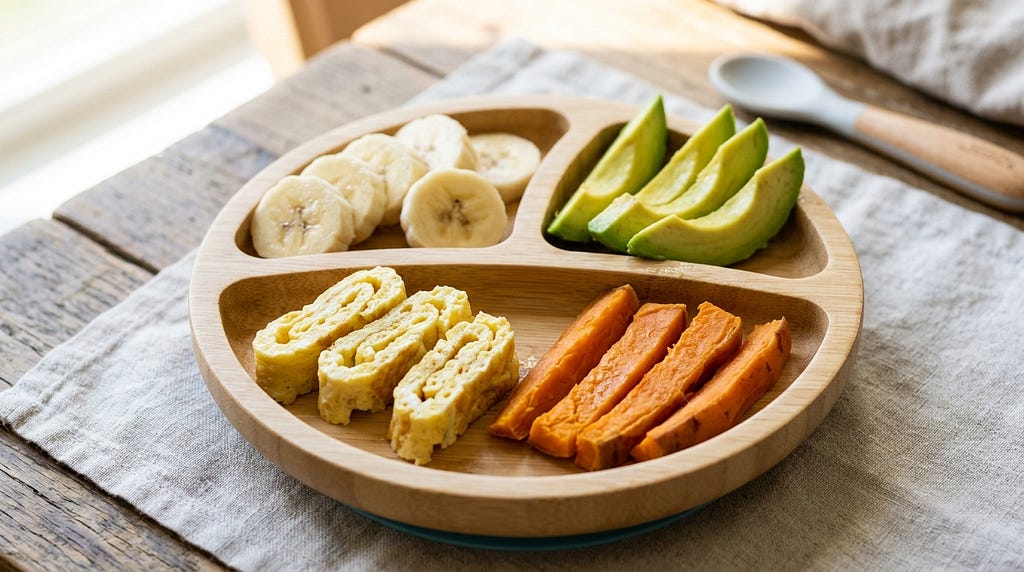
- Soft cooked vegetables like carrot, broccoli, or sweet potato
- Ripe fruits such as banana, mango, or avocado
- Toast, pitta, or chapati finger
- Strips of omelette, chicken, or soft cheese
Foods should be soft enough to mash easily and shaped so babies can hold them safely, following guidance from the Ohio Chapter of the American Academy of Pediatrics.
Why Many Parents Prefer Homemade Meals
Not everything labeled “baby food” is actually ideal.
Many packaged options contain added ingredients that aren’t always obvious. And even small amounts can add up quickly when your baby’s daily limits are so low.
If you’re unsure how much is safe, it’s worth understanding the basics of salt intake for babies and hidden sodium in everyday foods before relying on packaged options.
That’s why many parents choose simple, home-prepared meals. You know exactly what goes in. And you can keep things as natural as possible.
Do Babies Need Snacks?
Babies under 12 months still rely on milk as their main source of nutrition. Solid foods complement, not replace, milk at this stage.
After the first year, simple snacks can include:
- Fresh fruit
- Soft vegetables
- Plain yoghurt
- Toast or rice cakes
Focus on whole foods rather than packaged snacks.
Questions Parents Ask
Q1: Can I do baby-led weaning if my baby doesn’t have teeth yet?
Yes. Most babies start without teeth, and that’s completely normal.
Babies can handle many finger foods using their gums, as long as the texture is soft enough. A simple way to check is this: if you can easily mash the food between your fingers, it’s usually safe to offer.
Good options include soft avocado, steamed sweet potato, omelette strips, or flaky fish. If something feels firm or hard to mash, it’s better to wait.
Q2: How can I make baby-led weaning meals more iron-rich?
Iron is one of the most important nutrients at this stage.
A simple approach is to include one iron-rich food each day, paired with vitamin C to help absorption.
Easy combinations:
- Shredded beef with soft vegetables
- Lentils with fruit like strawberries
- Flaked fish with broccoli
Plant-based options like beans, lentils, tofu, and eggs also work well. Pairing them with fruits or vegetables can help the body absorb iron more effectively.
Q3: How many meals should I offer at the start?
Start small. That’s completely normal.
Many parents begin with one meal a day, then gradually increase to two or three as their baby becomes more comfortable with food.
Portions can stay small. At this stage, your baby is learning and exploring, not trying to finish full meals. As long as milk feeds continue and your baby seems satisfied, you’re on the right track.
Originally published on Medium.