vitababy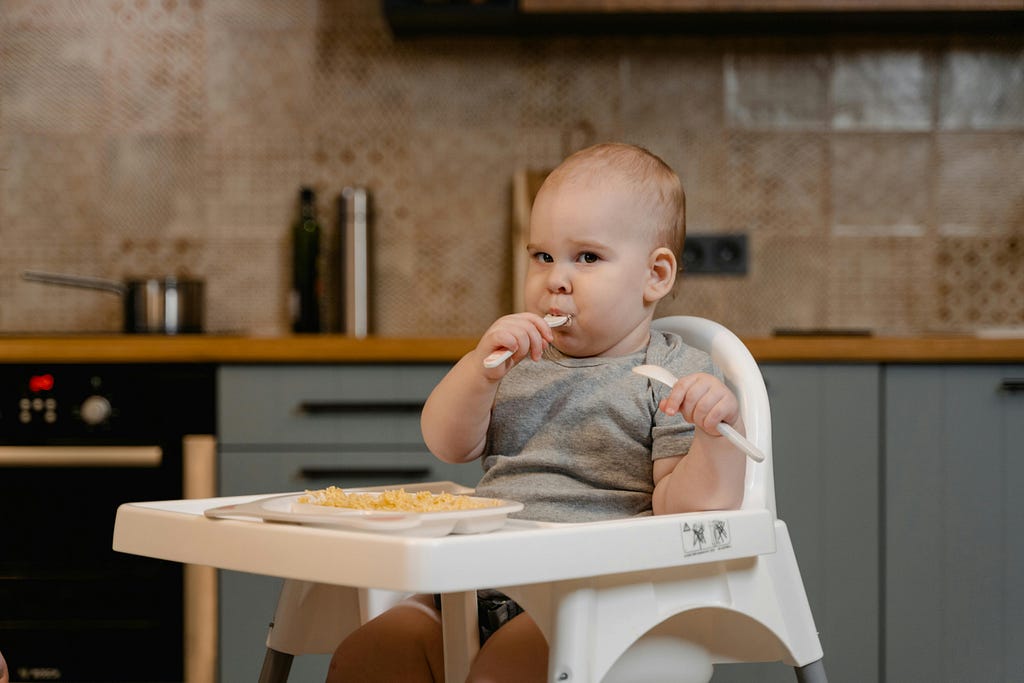
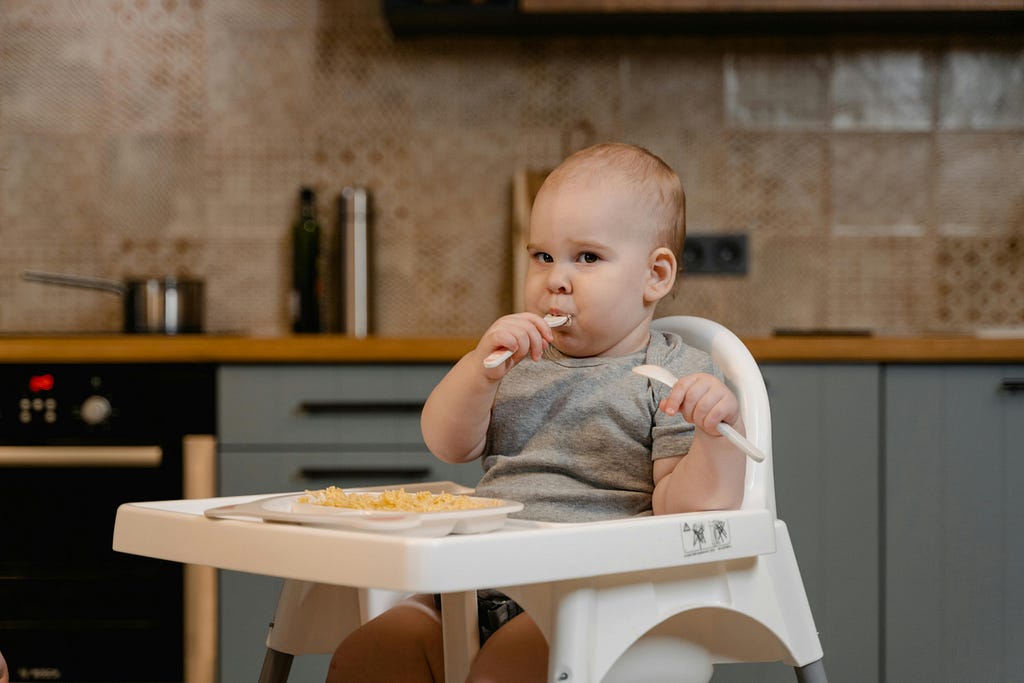
One of the biggest milestones in your baby’s first year is starting solid foods. Naturally, many parents wonder: What should my baby eat first? The good news is that there’s no single “perfect” first food. Instead, the focus should be on offering nutrient-dense, easy-to-eat foods that support healthy growth and development.
Signs Your Baby Is Ready for Solids
According to pediatric feeding recommendations, most babies are ready to begin solids around 6 months of age while continuing breast milk or formula.
Instead of relying only on age, it’s important to look for developmental signs that your baby is ready for complementary foods. These signs may include:
- Sitting upright with support
- Good head and neck control
- Showing interest in food
- Opening the mouth when food is offered
- Swallowing food instead of pushing it out with the tongue
Pediatric feeding guidance from the U.S. Centers for Disease Control and Prevention (CDC) Infant and Toddler Nutrition page explains that these developmental milestones help indicate readiness for solids.
The Best First Foods for Baby
For years, rice cereal was considered the traditional first food. Today, many experts encourage introducing a wider variety of whole foods instead.
Here are some popular first-food choices:
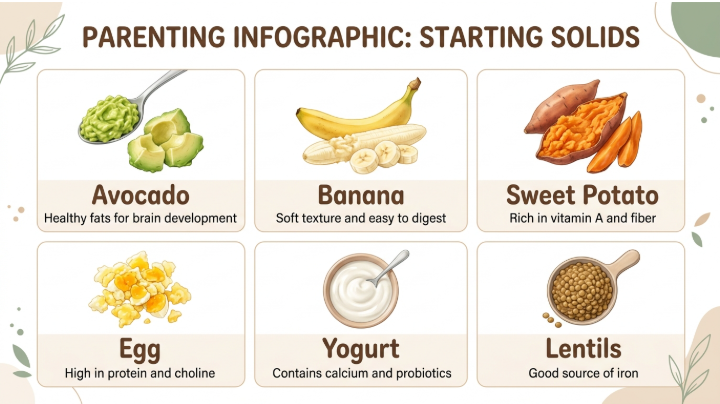
Avocado
Avocado is packed with healthy fats that help support brain development. Its naturally soft texture also makes it easy for babies to eat.
Banana
Bananas are mild, easy to mash, and naturally sweet, making them a common first food for babies.
Sweet Potato
Sweet potatoes provide fiber, vitamin A, and antioxidants. Once cooked and mashed, they become soft and easy to swallow.
Egg Yolks and Eggs
Eggs are rich in nutrients like choline, healthy fats, and protein. Current recommendations support introducing cooked eggs early rather than delaying them.
Early introduction of allergenic foods may help reduce allergy risk in some children.
Iron-Rich Foods
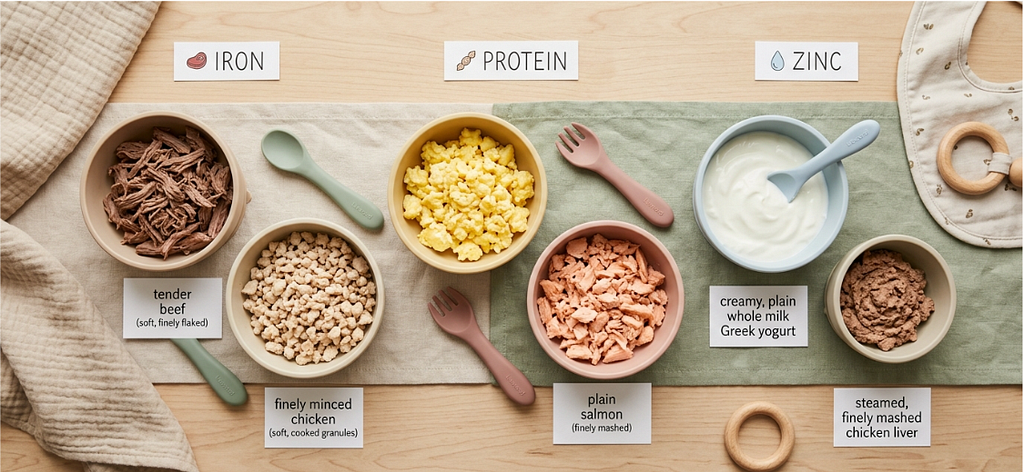
Around 6 months, babies need additional iron from foods. Good sources include:
- Pureed meats
- Lentils
- Beans
- Iron-fortified cereals
The Centers for Disease Control and Prevention (CDC) infant nutrition guidance recommends including iron-rich foods once solids are introduced.
Should Vegetables Come Before Fruit?
Many parents worry that introducing fruit first will cause babies to prefer sweet foods and reject vegetables later. However, there’s little evidence to support this idea.
Experts generally agree that exposing babies to many different tastes and textures over time is more important than the exact order foods are introduced.
Foods to Avoid During the First Year
While babies can enjoy many foods, there are a few important exceptions.
Honey
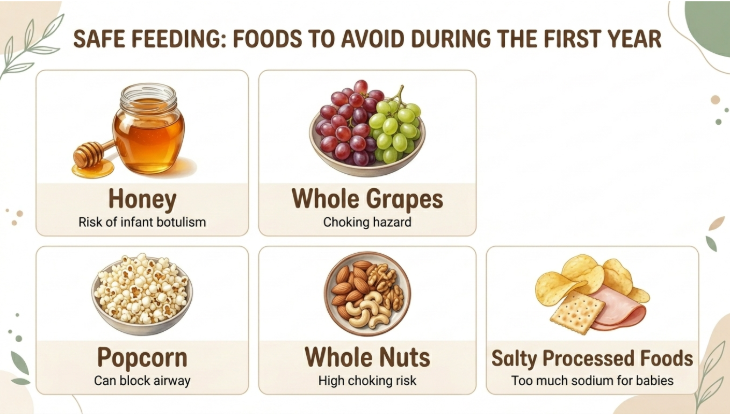
The CDC warns against giving honey to infants under 12 months because of the risk of infant botulism.
Choking Hazards
Avoid foods that can easily block a baby’s airway, such as:
- Whole grapes
- Popcorn
- Whole nuts
- Large chunks of raw vegetables
- Hot dog slices
Always prepare foods in soft, age-appropriate textures.
Excess Sugar and Salt
Babies do not need added sugar or heavily salted foods. Keeping flavors simple helps babies learn to enjoy natural foods. You can also read our related article about salt and sodium intake for babies below.
A Final Word on the Best First Foods for Baby
Introducing solids should feel exciting, not stressful. There’s no need to follow rigid rules about which food must come first. Focus on offering a variety of nourishing foods, introducing different textures gradually, and making mealtimes enjoyable.
Whether your baby starts with avocado, banana, sweet potato, or eggs, the goal is to support healthy eating habits from the very beginning. Vitababy helps parents navigate every stage of their baby’s feeding journey with practical guidance and trusted nutrition information, making it easier to feel confident along the way.
Originally published on Medium.